
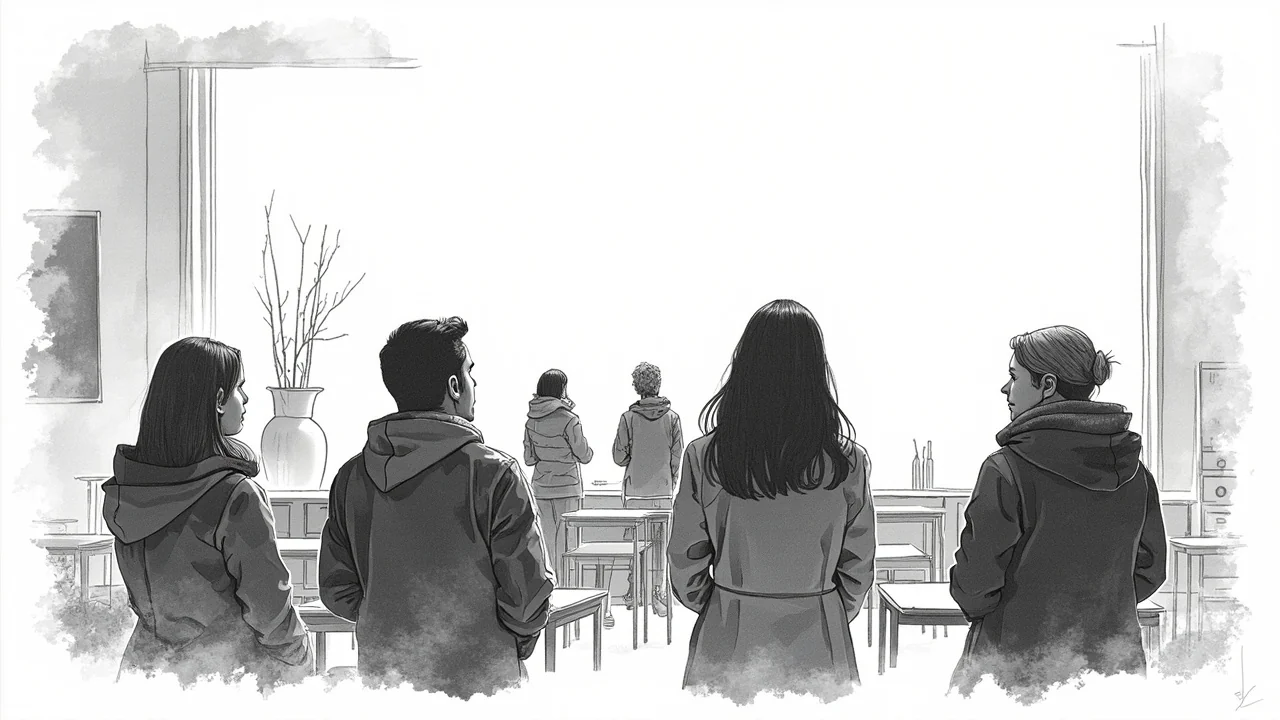
Norwegian teachers with over two decades in the classroom report a fundamental shift in their daily work, students, and the very purpose of school, according to a new academic study. The research, led by Professor Johannes Lunde Hatfield of the University of Innlandet, directly interviewed veteran educators from primary and secondary schools across the nation to capture their firsthand experiences.
Professor Hatfield initiated the study to address a gap in public debate. He says teachers are rarely heard in discussions about how schools actually function in practice, despite their direct, daily experience. The study's participants all have a minimum of twenty years of teaching experience, providing a long-term perspective on the evolution of the Norwegian education system.
The Vanishing Quiet Moment
A consistent theme from the teachers is the disappearance of what they describe as the 'quiet pedagogical moment.' They recall a time when there was more space for spontaneous, in-depth conversations with individual students or for reflective pauses during the school day. Now, they describe the school environment as more fragmented and hectic, driven by a denser schedule and a constant flow of administrative tasks and digital interruptions. The rhythm of the day, they say, is dictated less by the natural flow of learning and more by external structures and demands.
Teachers describe students as being more stressed and performance-oriented than they were two decades ago. There is a noted increase in anxiety related to grades and future prospects, even at younger ages. Concurrently, educators report spending significantly more time on student welfare and mental health concerns than they did in the past. This dual pressure—managing academic performance while providing substantial emotional support—has reshaped the core of their professional role.
A New Kind of Exhaustion
The emotional labour of teaching has intensified, according to the study's respondents. They detail a workday that extends far beyond the final bell, filled with digital communication with parents, meticulous documentation of student progress for official systems, and preparation for a more rigidly structured curriculum. This administrative burden is frequently cited as a major change that drains time and energy from direct student interaction and creative lesson planning.
Many teachers express a sense of diminished professional autonomy. They feel that a top-down approach to curriculum and assessment has reduced their ability to adapt teaching methods to the specific needs of their class. Trust in their professional judgment, they argue, has been partially supplanted by standardized frameworks and accountability measures. This shift has, for some, led to a feeling of being executors of policy rather than architects of learning.
The Curriculum's Growing Shadow
The introduction and subsequent revisions of the national curriculum, the Knowledge Promotion Reform, are central to the teachers' narratives. While the intentions of ensuring equity and quality are acknowledged, the practical implementation is described as creating a 'crowded' curriculum. Teachers report a constant struggle to cover a vast amount of prescribed content, which can come at the expense of in-depth exploration, project-based work, and the development of non-academic skills.
The digital transformation of society is another dominant factor identified by the veteran educators. While they see the potential of technology as a tool, they also describe its disruptive impact on attention spans and classroom dynamics. Managing screen use, combating distractions from smartphones and social media, and teaching digital literacy have become new, time-consuming aspects of their job that did not exist to the same degree 20 years ago.
Seeking Solutions in the Staff Room
Despite the challenges, the teachers in the study are not merely nostalgic. They provide concrete observations about what has been lost and what new pressures have emerged. Their collective testimony suggests that the teaching profession is grappling with a compounded set of demands: academic, administrative, emotional, and digital. The study concludes that these experienced educators hold a critical, evidence-based perspective that is essential for shaping effective future education policy.
Professor Hatfield argues that listening to this accumulated professional wisdom is not just about documenting change but about improving the system. He states that sustainable policies must be informed by the practical reality of the classroom, not just political objectives or theoretical models. The clear message from those with twenty years of service is that supporting teachers' expertise and well-being is directly linked to student success.
The findings prompt urgent questions for municipal school owners and national policymakers in Oslo. As Norway continues to debate educational outcomes and equity, the voices from this study highlight a potential disconnect between policy design and classroom execution. The teachers' unanimous reports of increased stress and administrative load present a concrete challenge for a country that invests heavily in its education system. The path forward, as hinted by the research, may require a recalibration, granting teachers more professional trust to navigate the complex modern classroom they know so intimately.