
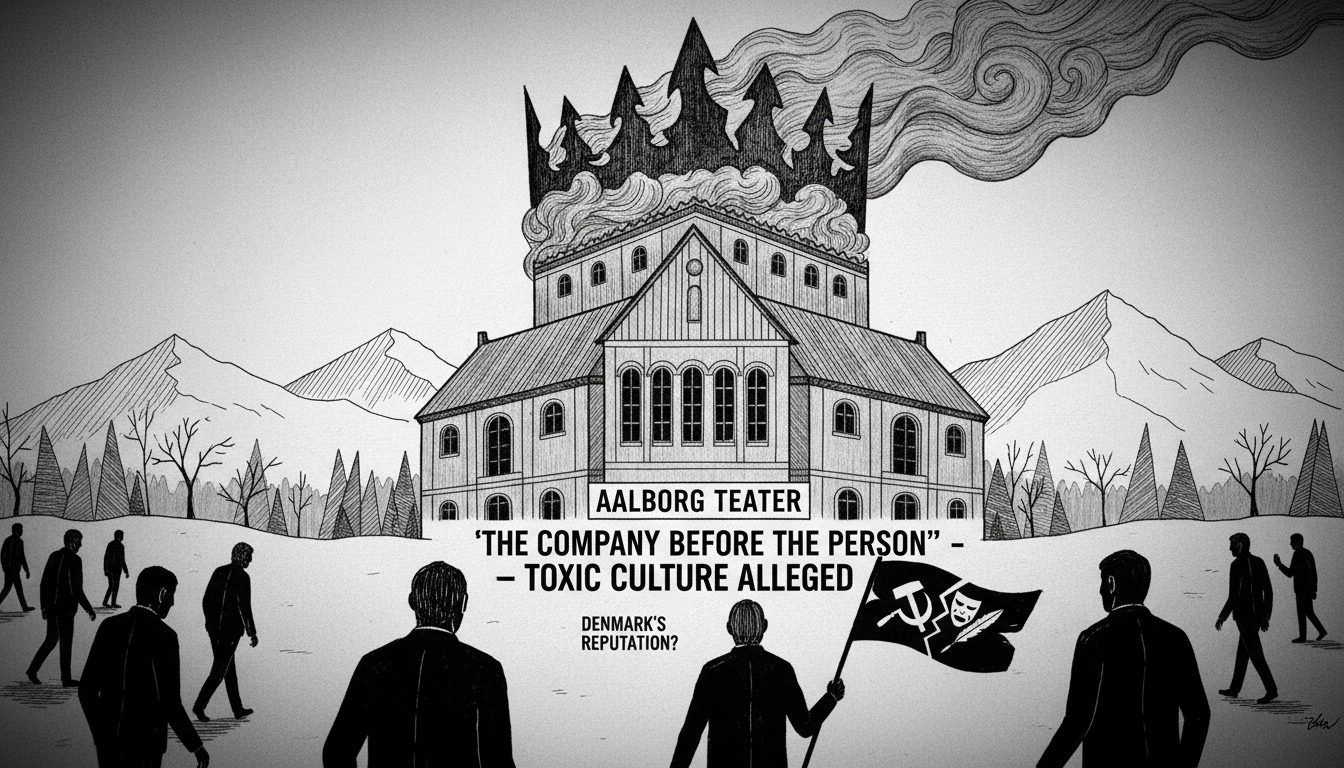
A new leadership mantra at Aalborg Theater has sparked controversy. Former employees say the slogan 'The Company Before the Person' created a toxic work environment. They claim it shielded management from criticism. The theater's board introduced the phrase under a new chairman. The intent was to elevate the institution's performance. The reality was different according to staff accounts.
Workers describe a culture of fear and pressure. The mantra became an excuse for poor management practices. It allegedly justified unreasonable demands on employees. This situation highlights a broader tension in Danish cultural institutions. They balance artistic ambition with sustainable business practices. The theater is a major employer in the North Jutland region. Its operational health impacts the local creative economy.
Danish workplace culture typically scores high in international surveys. The Danish model emphasizes trust, flexibility, and flat hierarchies. This case appears to contradict those national norms. It raises questions about governance in publicly funded arts organizations. Aalborg Theater receives municipal and state support. Taxpayers fund a portion of its operations. This grants the public a legitimate interest in its internal affairs.
The story emerged after a staff outing in August. Employees traveled to a venue south of Løkken for a meeting. The location itself, a dining and event space called Myggen, is not central to the core issue. The central issue is managerial accountability. When a corporate slogan overrides basic employee welfare, systems have failed. The theater's leadership must now address these allegations directly. Public confidence is at stake.
For international readers, this is a lesson in Danish corporate culture. Even in a country known for good work conditions, problems can arise. The response from the board and management will be telling. Will they investigate and reform? Or will they dismiss the concerns as isolated complaints? The Danish labor market model relies on strong social dialogue. That dialogue seems to have broken down here. The coming weeks will show if it can be repaired. The theater's artistic output depends on a motivated and respected staff. No slogan can replace that fundamental requirement.
This incident serves as a case study for other organizations. A mantra meant to inspire became a tool for control. The disconnect between intention and outcome is clear. For a business correspondent, the economic implication is straightforward. Poor workplace culture leads to high turnover and low productivity. It damages an organization's brand and its ability to attract talent. In the competitive world of performing arts, that is a severe commercial disadvantage. Aalborg Theater's financial reports in future quarters may reflect this internal strife. Stakeholders should watch closely.