
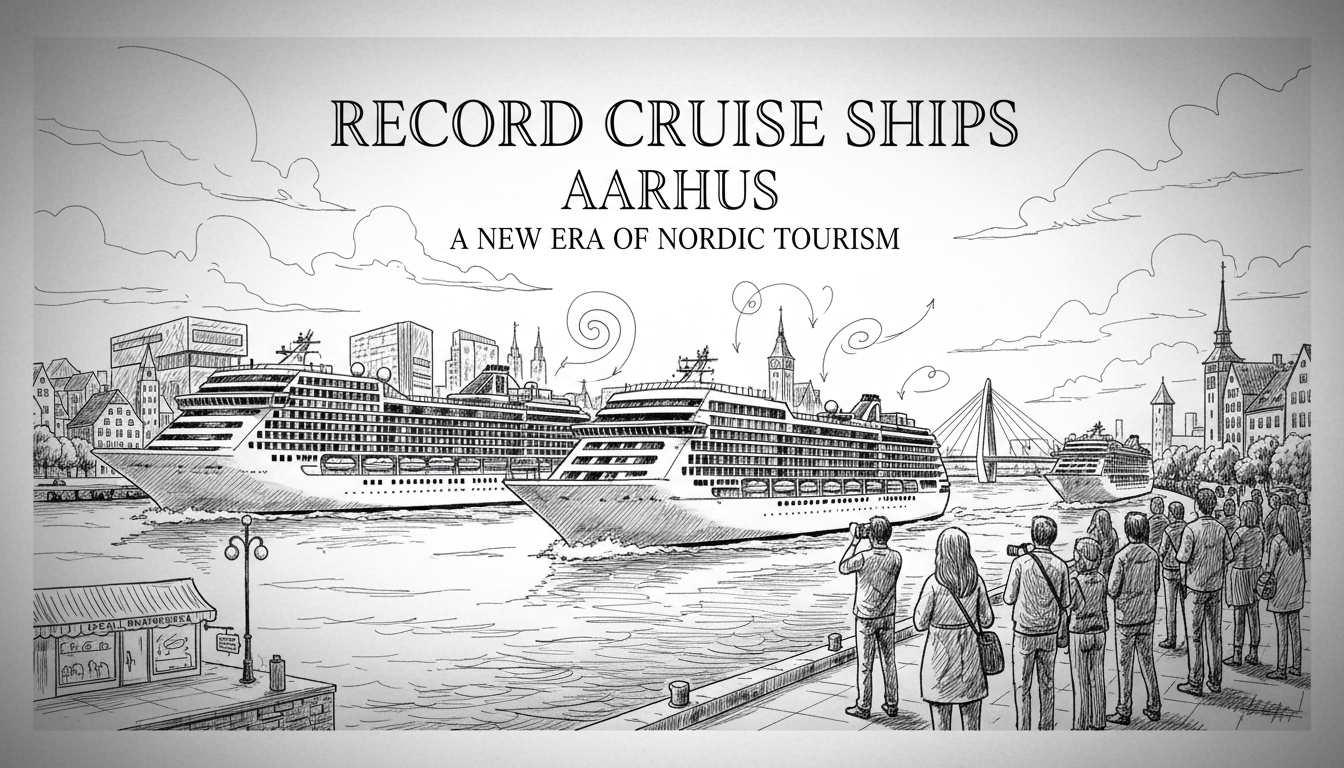
Aarhus prepares for an unprecedented wave of maritime visitors as the port announces its busiest cruise season yet. The eastern Jutland city expects over a quarter million passengers and crew members to disembark from 73 cruise vessels. This represents a notable increase from the current 61 ships docking annually. These visitors frequently explore local restaurants, shops, and cultural attractions, generating substantial economic activity for businesses throughout the city and region.
Port Director Thomas Haber Borch expressed enthusiasm about Aarhus's growing appeal. He stated that the city experiences rising interest as a cruise destination. The port actively develops this important business area. Borch looks forward to welcoming even more ships and guests in future seasons. This growth reflects strategic efforts to position Aarhus as a premier Nordic port of call.
The cruise industry's expansion brings both opportunities and challenges for Danish urban planning. Local municipalities must balance economic benefits with infrastructure demands and environmental considerations. Copenhagen has long dominated Scandinavian cruise tourism, but Aarhus's growth signals healthy regional distribution. This development aligns with broader trends in Baltic Sea tourism, where secondary cities gain prominence.
Danish integration policies often focus on permanent residency, but temporary visitors contribute significantly to cultural exchange. Each cruise ship arrival creates micro-opportunities for local businesses to engage with international guests. Social centers and cultural institutions benefit from this exposure to global perspectives. The economic impact extends beyond direct spending to include potential return visits and positive word-of-mouth promotion.
Education and employment sectors also feel the ripple effects. Hospitality training programs see increased relevance, while retail employment stabilizes with seasonal predictability. The consistent growth pattern suggests Aarhus has successfully marketed its unique blend of modern architecture and historic charm. Other Danish coastal cities monitor these developments as they craft their own tourism strategies.
This maritime surge represents more than just numbers. It demonstrates how medium-sized Danish cities can compete in global tourism markets. The success stems from coordinated efforts between port authorities, municipal governments, and local businesses. Their collaboration creates welcoming experiences that encourage cruise lines to include Aarhus in their Baltic itineraries. The city's transformation from regional center to international destination continues gaining momentum with each arriving vessel.