
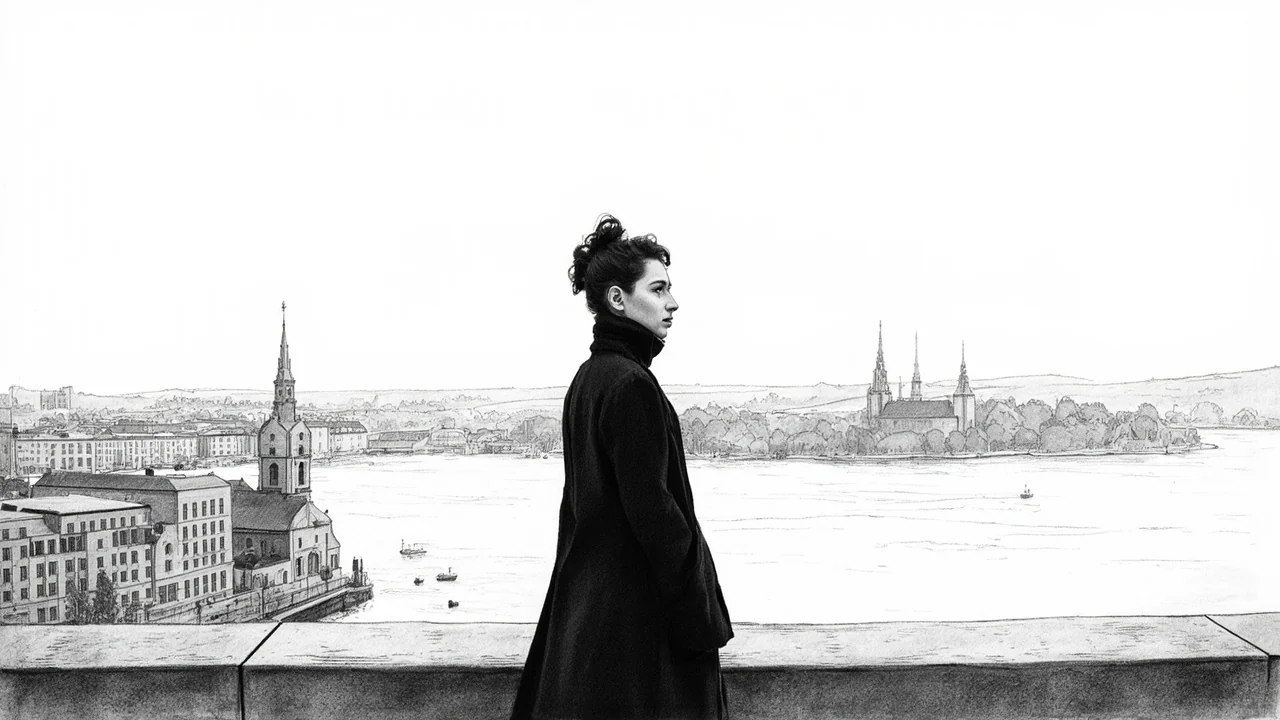
In the cozy cafes of Södermalm and the buzzing record stores of Vasastan, a new name is on everyone's lips. Amanda Romare, a Stockholm-born singer-songwriter, is capturing the Swedish soul with a sound that feels both deeply personal and universally resonant. Her journey from a young guitarist in the city's vibrant folk scene to a chart-topping artist speaks to a broader trend in Swedish culture news, where raw emotional honesty is winning over polished pop perfection.
Romare's debut album, 'Echoes of the Heart,' was a quiet storm. It climbed into the national top ten, selling tens of thousands of copies and earning a nomination for a major Swedish music award. But the numbers only tell part of the story. The real connection lies in her lyrics. A recent surge in online searches for a specific line from her work—'A part of me would rather die than be disliked'—reveals how her vulnerability strikes a chord. This isn't just music, it's a shared confession for a generation navigating social pressures in a digital age.
'Music is my way of expressing the complexities of life,' Romare said in a recent interview. Her subsequent albums have built on this foundation, weaving introspective stories with melodies that linger. You can hear her influence at local Stockholm events today, from intimate gigs at Nalen to summer sets during the Midsommar celebrations in Skansen. Her sound, a blend of Scandinavian folk and accessible pop, provides a soundtrack for contemporary Swedish lifestyle, one that values authenticity over artifice.
Her rise reflects key Swedish society trends. There's a growing appetite for artists who dismantle the myth of Scandinavian perfection, who speak openly about anxiety, belonging, and the fear of rejection. In a society often praised for its equality, Romare's music explores the internal landscapes that statistics can't measure. This cultural shift is significant, showing that even in a prosperous nation, the quest for emotional truth is a powerful driver of art.
What does her success mean for the future? It signals a maturation of the Swedish music export model. Beyond catchy dance tracks, there is a global audience for Nordic introspection. Her streams come from around the world, proving that a song born from a Stockholm winter can find a home anywhere. As she continues to evolve, Amanda Romare isn't just a rising star, she's a mirror held up to modern Swedish sentiments, and the reflection is captivating a wide and attentive audience.