
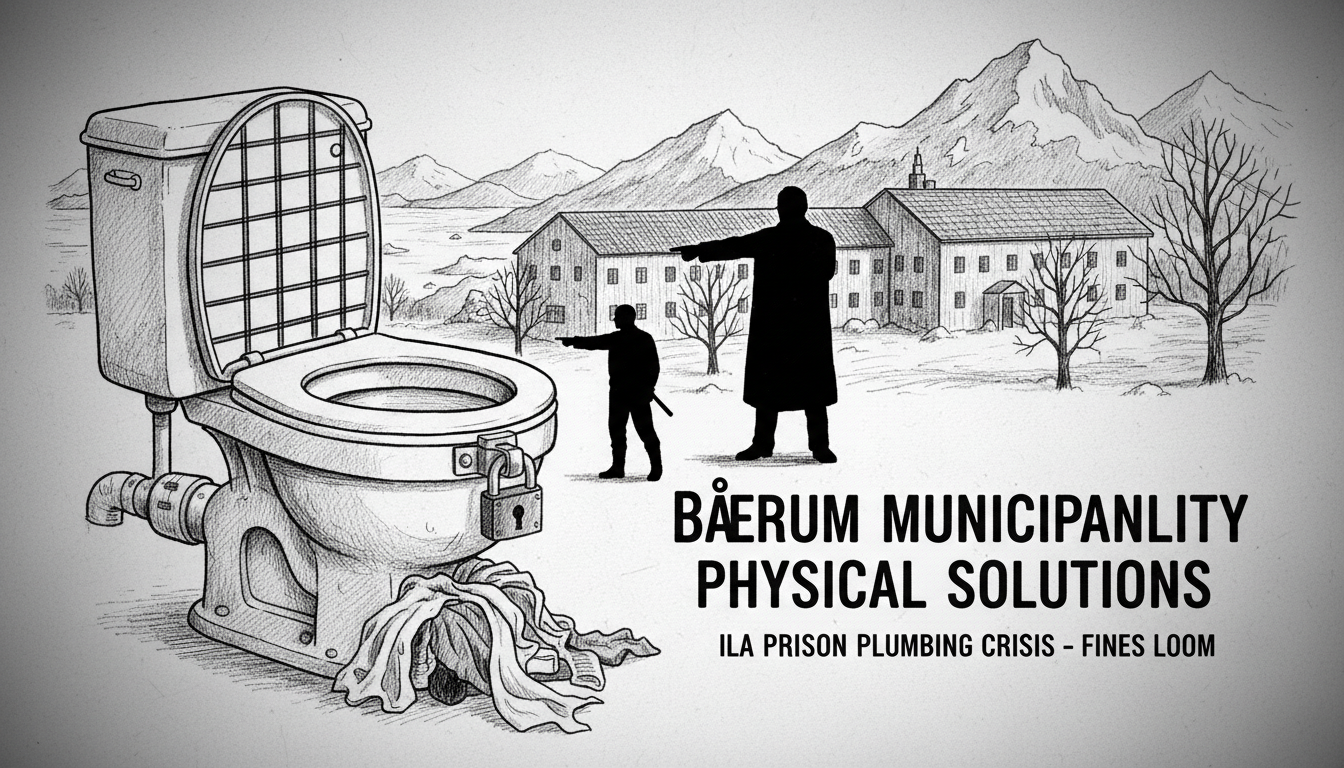
Bærum municipality has ordered Ila Prison to install permanent physical barriers after inmates repeatedly clogged toilets with clothing and textiles. The prison's flushing of jogging pants, towels, and bedsheets has caused repeated operational failures at a downstream pumping station.
The municipality issued a fresh decision requiring the prison to implement physical measures with lasting effect. Local officials say they have clear documentation that the materials originate from the correctional facility. Photographic evidence submitted with the decision shows a white towel marked with the words 'correctional services'.
These blockages have caused pollution through overflow into the Østern river and created significant costs for the municipality. The pumps at the pumping station stop working when textiles like towels, sheets, and jogging pants become stuck in the machinery.
This represents an escalation in a long-standing dispute. Approximately one year ago, the municipality ordered Ila Prison to take immediate action focused primarily on behavioral influence and closer monitoring of inmates. Those measures apparently proved insufficient to resolve the ongoing problem.
The municipality has now threatened substantial financial penalties. Officials announced a 100,000 Norwegian kroner compulsory fine and 5,000 kroner in daily penalties if the prison fails to implement the required measures by next July. The prison must also cover all costs for pipe cleaning, pump repairs, and equipment replacement.
Prison director Tonje Sandal maintains that the immediate measures implemented over a year ago have been effective. She stated that the prison has worked purposefully with internal measures and, to their knowledge, no objects from the prison have entered the drainage system since those efforts began.
This situation highlights the practical challenges of prison management and municipal infrastructure protection. The conflict demonstrates how institutional operations can create unintended consequences for local communities and environmental systems. The case also shows the limitations of behavioral approaches alone in addressing systematic infrastructure problems.
Norwegian municipalities have substantial authority to enforce environmental and infrastructure regulations, even against state institutions like prisons. This legal framework gives local governments powerful tools to protect community interests, though implementation often requires navigating complex jurisdictional relationships.
The ongoing dispute raises questions about resource allocation and responsibility sharing between different levels of government. Taxpayers ultimately bear the costs of both the infrastructure damage and the enforcement proceedings, creating pressure for durable solutions rather than temporary fixes.
International readers should understand that Nordic countries typically maintain high standards for environmental protection and infrastructure maintenance. This case illustrates how these standards apply even to correctional facilities, with local governments willing to confront state institutions when necessary.
The coming months will reveal whether physical barriers prove more effective than behavioral measures in resolving this unusual but costly problem. The prison's compliance with the July deadline will test both the municipality's enforcement capabilities and the institution's capacity to implement technical solutions.