
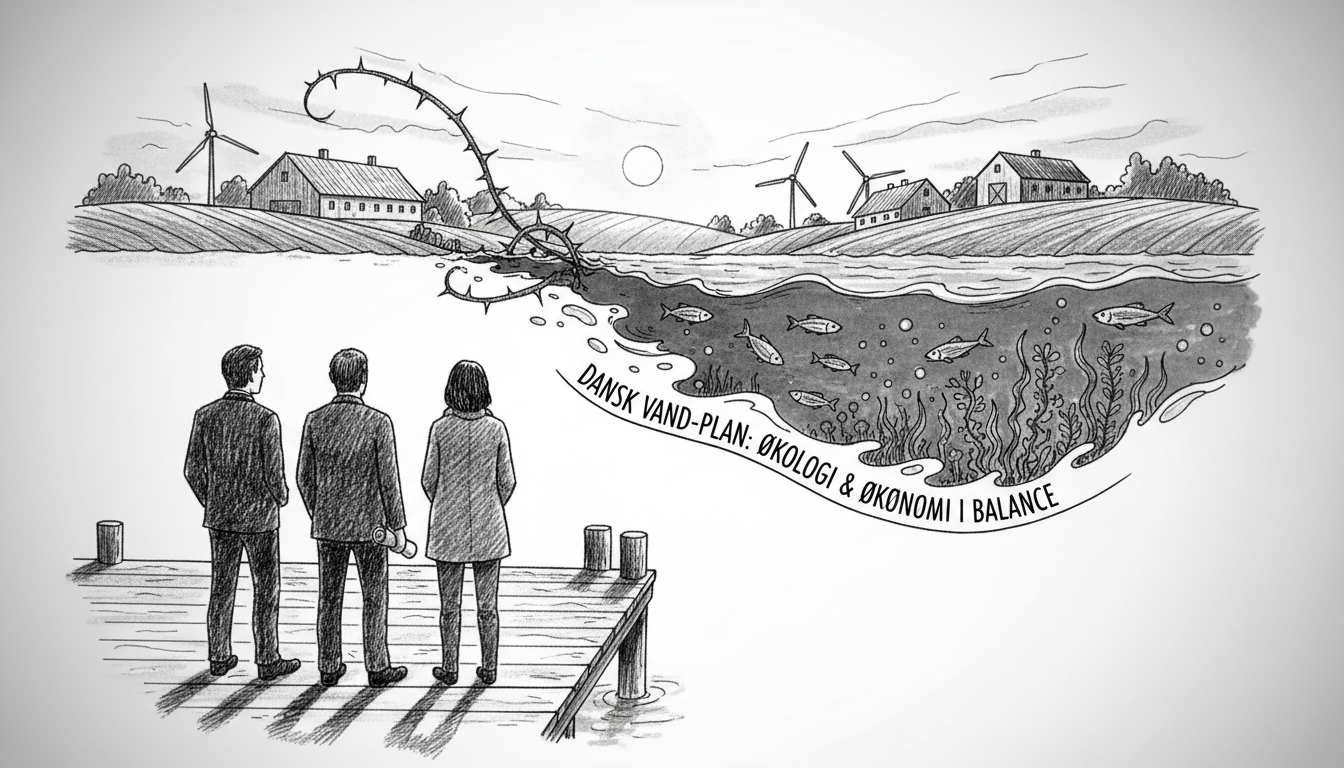
A broad majority in the Danish parliament has reached a new agreement to limit nitrogen emissions from agriculture. The goal is to bring life back to the country's waterways and coastal areas. This policy directly impacts Danish society news and reflects ongoing debates about the welfare system and land use.
Nitrogen runoff, primarily from fertilizers, is a chronic problem for Denmark. It causes algal blooms that deplete oxygen and create dead zones in marine environments. The new deal seeks to impose stricter limits on how much nitrogen farmers can apply to their fields. Political negotiations lasted for months and involved multiple parties.
For international readers, this story connects to Denmark's social policy in a profound way. The Danish welfare system is often celebrated, but it relies on a balanced economy. Agriculture is a major export industry. Stricter environmental rules can mean higher costs for farmers. The government must then consider compensation schemes. This is a classic tension between economic interests and public goods like clean water.
Community leaders in areas like Copenhagen integration hubs have long highlighted environmental justice. Pollution often affects coastal communities and recreational areas used by all citizens. The agreement references coordination with Danish municipalities, who will be tasked with local implementation. Social centers in rural areas may become points of information for affected farming families.
What does this mean in practical terms? Farmers will likely need to adopt new practices. This could include planting cover crops, creating buffer zones near streams, and using technology for precise fertilizer application. The policy analysis suggests this is part of a larger European trend toward greener agriculture. Denmark often positions itself as a leader in this field.
The human impact comes first. Cleaner water means safer swimming, better fishing, and healthier ecosystems. For a nation surrounded by sea, this is a core element of national identity. The political compromise shows that despite differences, major parties can find common ground on environmental issues. The real test will be in the implementation over the coming years. Will the measures be sufficient, and will farmers receive the support they need to adapt? These are the questions that will define the success of this policy.