
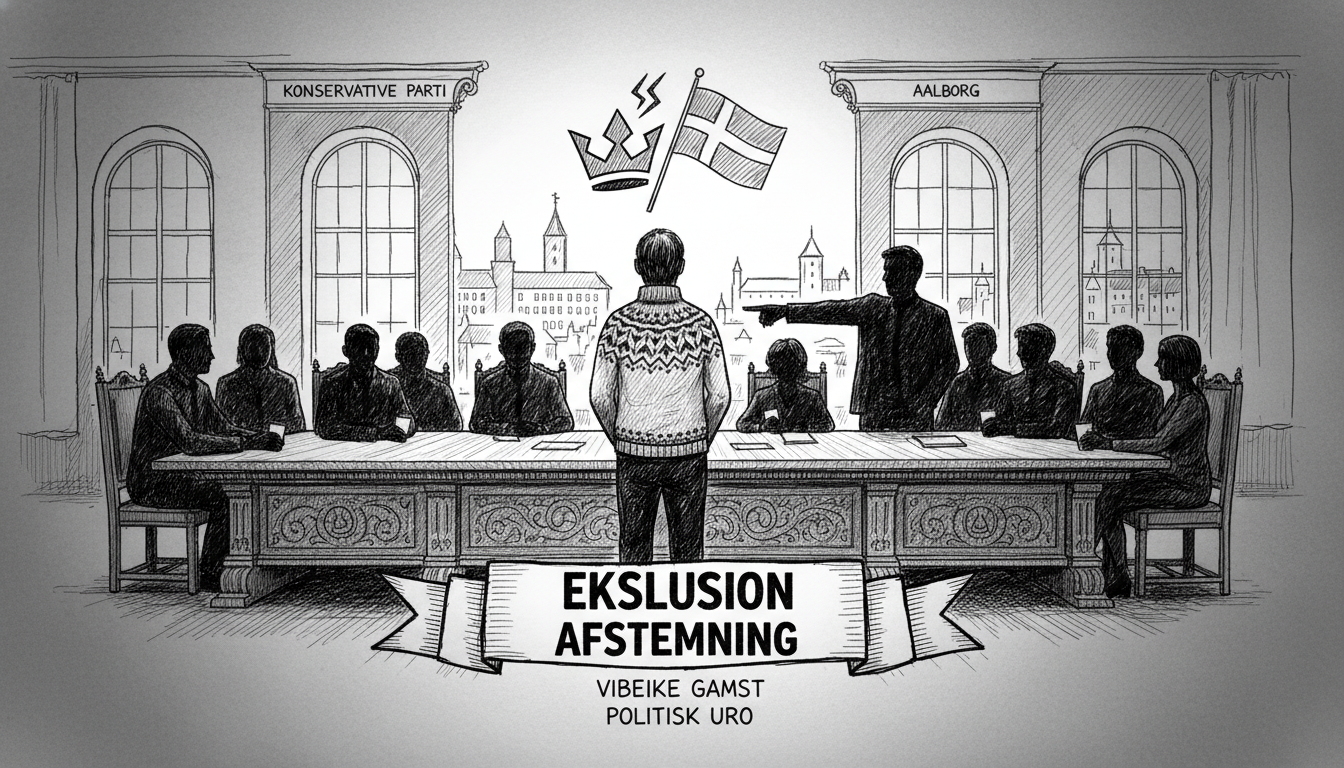
A dramatic political showdown in northern Denmark threatens to expel Conservative politician Vibeke Gamst from her party. Local Conservative chairman Peter Brix recommends her exclusion after Gamst helped secure the mayor position for Social Democrat Lasse Frimand Jensen. She collaborated with Socialist People's Party and Red-Green Alliance members to create this unexpected majority. This development reveals deep tensions within Danish local politics and party discipline mechanisms.
The extraordinary general assembly for Aalborg Conservatives will make the final decision about Gamst's membership within two weeks. Peter Brix expressed profound disappointment about her actions. He emphasized that no party member stands above collective decisions in their organization. Gamst acted without any negotiation mandate from party leadership according to his statements. She also failed to inform Conservative Party colleagues about her political maneuvers.
Gamst anticipated this disciplinary action after publicly acknowledging she expected expulsion during a recent television interview. She represents one of three Conservative politicians elected to Aalborg City Council following recent municipal elections. The initial political configuration suggested Jes Lunde from Danish Social Liberal Party would become mayor with Conservative support. Gamst's dissatisfaction with this arrangement prompted her cross-party collaboration that maintained the Social Democrat mayor's position.
Danish political integration often faces challenges when individual politicians prioritize local agreements over national party lines. This incident demonstrates how municipal governance sometimes conflicts with centralized party control. The Danish welfare system traditionally relies on stable political cooperation across municipal administrations. Such political disruptions can impact service delivery and community planning in cities like Aalborg.
Political scientists observe that Danish immigration policy and social integration programs require consistent municipal implementation. When political alliances shift unexpectedly, long-term integration initiatives can face uncertainty. Copenhagen integration models often influence regional approaches, though local political dynamics create distinctive challenges. The Aalborg situation highlights how personal political decisions can reshape municipal governance and policy execution.
Danish society news frequently covers these political realignments because they affect everyday services and community cohesion. The Danish welfare system depends on stable municipal leadership to administer healthcare, education and social programs. Political instability at the local level can disrupt this delicate ecosystem. International observers should note how these political developments might influence Denmark's approach to social policy and integration frameworks.
What consequences might this political reorganization bring for Aalborg residents? Municipal services and long-term planning could experience temporary disruptions during political transitions. The city's approach to social integration programs might see policy adjustments under the new configuration. Other Danish municipalities will likely observe this situation carefully as they manage their own political balances and party discipline challenges.