
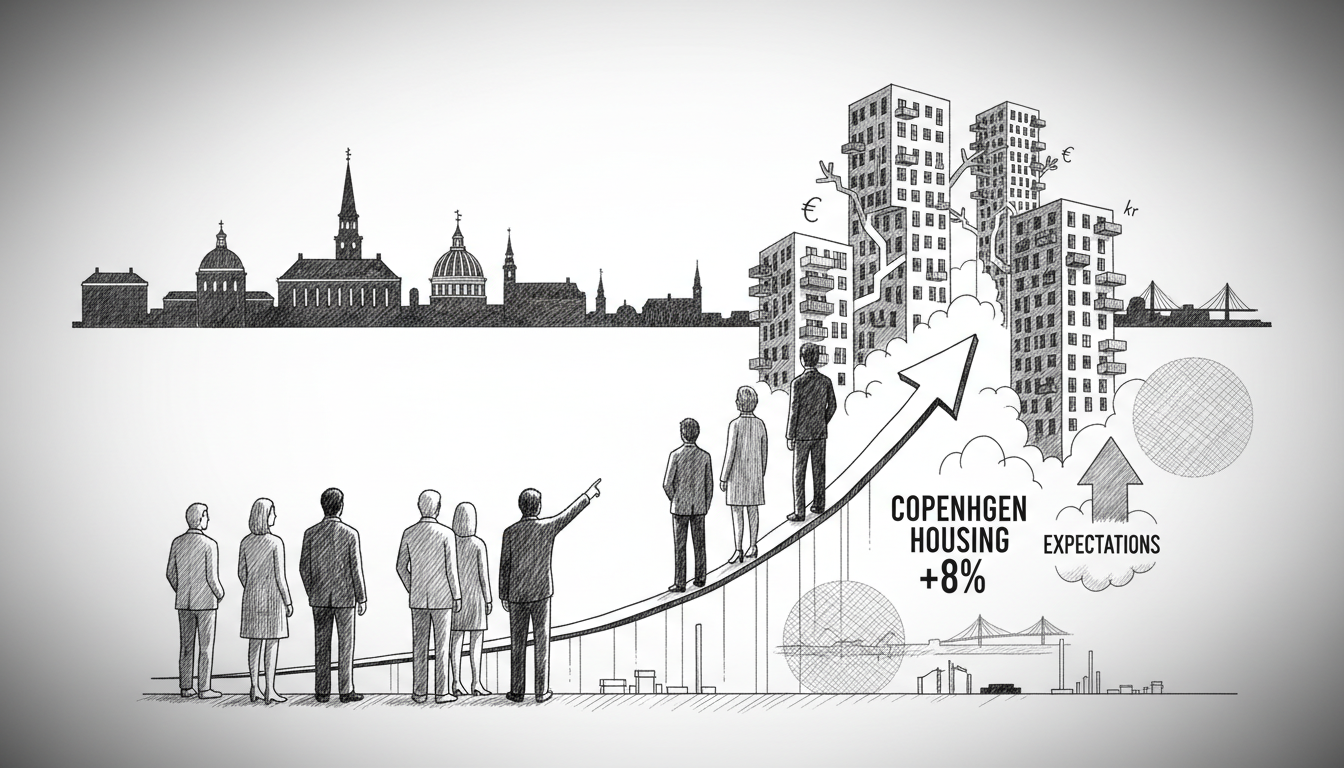
Copenhagen's housing market continues to surprise analysts. Government forecasts now predict stronger price increases than previously anticipated. This trend persists despite widespread public sentiment about economic pressure. The core explanation, according to officials, is straightforward. Buyers in the current market demonstrably have the financial means to transact. This economic reality underpins the sustained activity in the capital region.
Trade and commerce experts note this resilience directly impacts related sectors. Strong housing markets typically boost retail, construction, and banking. Companies like Danske Bank and Velux, headquartered in Copenhagen, monitor these trends for consumer confidence signals. The Øresund region's integrated economy means Swedish commuters and investors also feel these price movements. High property values in districts like Østerbro and Frederiksberg reflect concentrated purchasing power.
Government ministers defend the market's fundamentals. They point to strict Danish mortgage credit rules and high equity requirements for buyers. These regulations, they argue, prevent the speculative excesses seen before the financial crisis. A senior economic advisor stated, 'The people who are buying actually can afford it. The system is designed for stability.' This contrasts with public chatter in the city where many express disbelief at the climbing prices.
For international observers, the Danish case offers a lesson in economic duality. A robust housing sector coexists with consumer concerns about inflation and living costs. This scenario highlights the segmentation within modern economies. The capital attracts domestic and international capital, creating a distinct economic zone. The ripple effects are clear in construction giants like MT Højgaard and window manufacturer Nordan, which benefit from renovation and new build projects.
The direct trade implication is increased import demand for building materials and home goods. Danish exports in these sectors may see a parallel boost from similar trends in neighboring markets. The Copenhagen Stock Exchange often reacts to housing data, as it influences retail and financial stock valuations. The current cycle suggests continued investment in urban development and green renovations, a staple of Denmark's economy. The market is not showing classic bubble symptoms like easy credit, but its disconnect from broader wage growth warrants close observation. The coming quarters will test whether this government forecast holds true against global economic headwinds.