
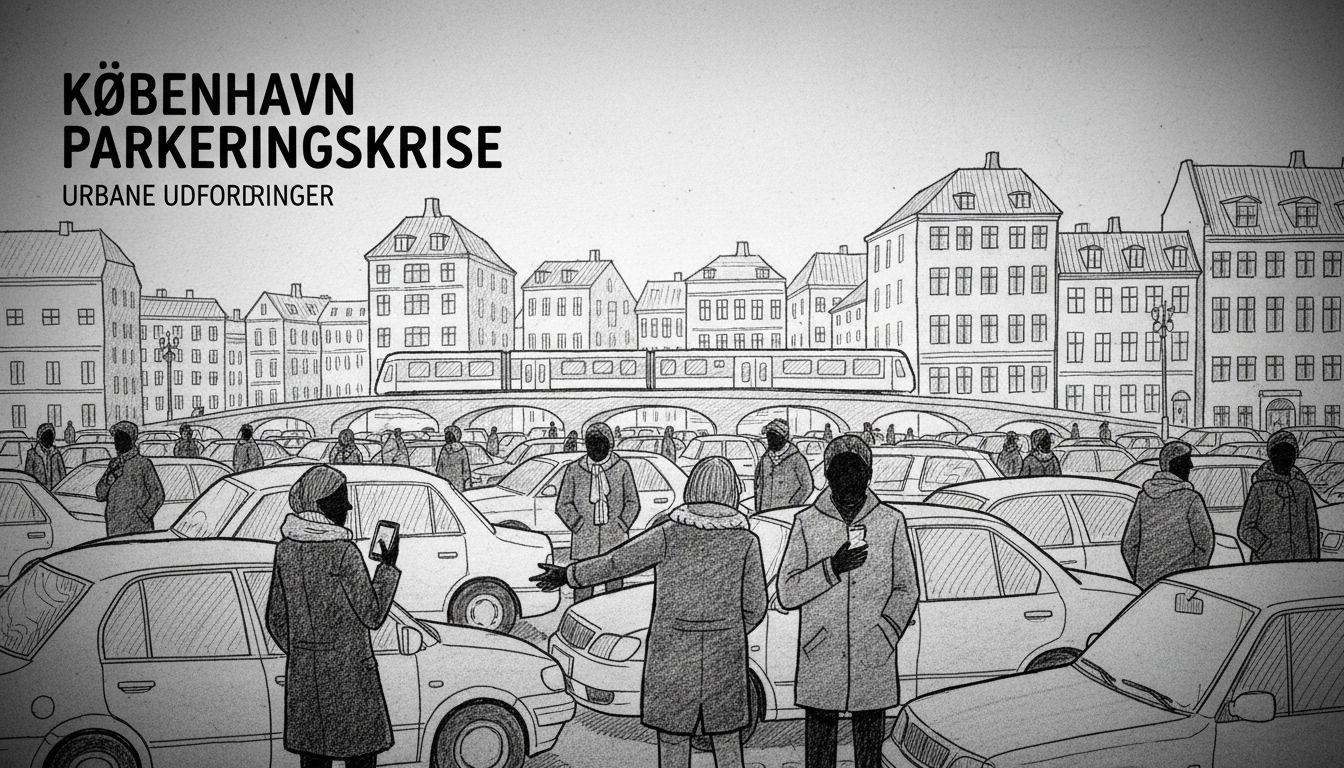
Copenhagen residents circle endlessly through the city center searching for parking spots. They need to run quick errands or pick up children from school. This daily struggle dominated recent municipal elections because it represents a fundamental urban dilemma. Too many citizens rely on cars for mobility while the city lacks adequate space for vehicles.
The parking crisis connects directly to broader Danish society news about urban planning and integration. Copenhagen integration policies must balance housing density with transportation needs. Many international residents and newcomers face particular challenges navigating these systems. They often settle in neighborhoods where parking pressures feel most intense.
Denmark social policy traditionally emphasizes public transportation and cycling infrastructure. The welfare system supports these alternatives through substantial public investment. Yet car ownership continues growing in the metropolitan region. This creates tension between environmental goals and practical mobility needs.
Municipal officials acknowledge the parking shortage affects daily life quality. One city planner said parking availability influences where families choose to live. The statement came during recent policy discussions about urban development. Community leaders note that parking accessibility impacts commercial vitality too. Shop owners report customers avoid areas where parking proves difficult.
Denmark immigration policy indirectly relates to these urban pressures. New residents often concentrate in specific Copenhagen neighborhoods. This distribution pattern affects local infrastructure demands including parking availability. Integration success sometimes depends on practical factors like transportation access.
Recent statistics show Copenhagen's population density exceeds other Danish cities. The city contains approximately 7,500 residents per square kilometer. This density creates natural competition for limited street space. About 40% of Copenhagen households own cars despite excellent public transit.
The parking situation reveals broader questions about urban living standards. Can cities accommodate both density and convenience? How do transportation choices affect social inclusion? These questions matter for Copenhagen's future development and for Denmark social policy generally.
The current approach combines parking restrictions with improved alternatives. City planners work to enhance bicycle infrastructure and public transit frequency. They also develop more coordinated parking management systems. These efforts reflect the Danish welfare system's pragmatic problem-solving tradition.
Parking challenges ultimately reflect Copenhagen's popularity and success. The city attracts residents and visitors because it offers high quality urban life. Managing this success requires careful balancing of competing needs. The parking debate really concerns what kind of city Copenhagen wants to become.