
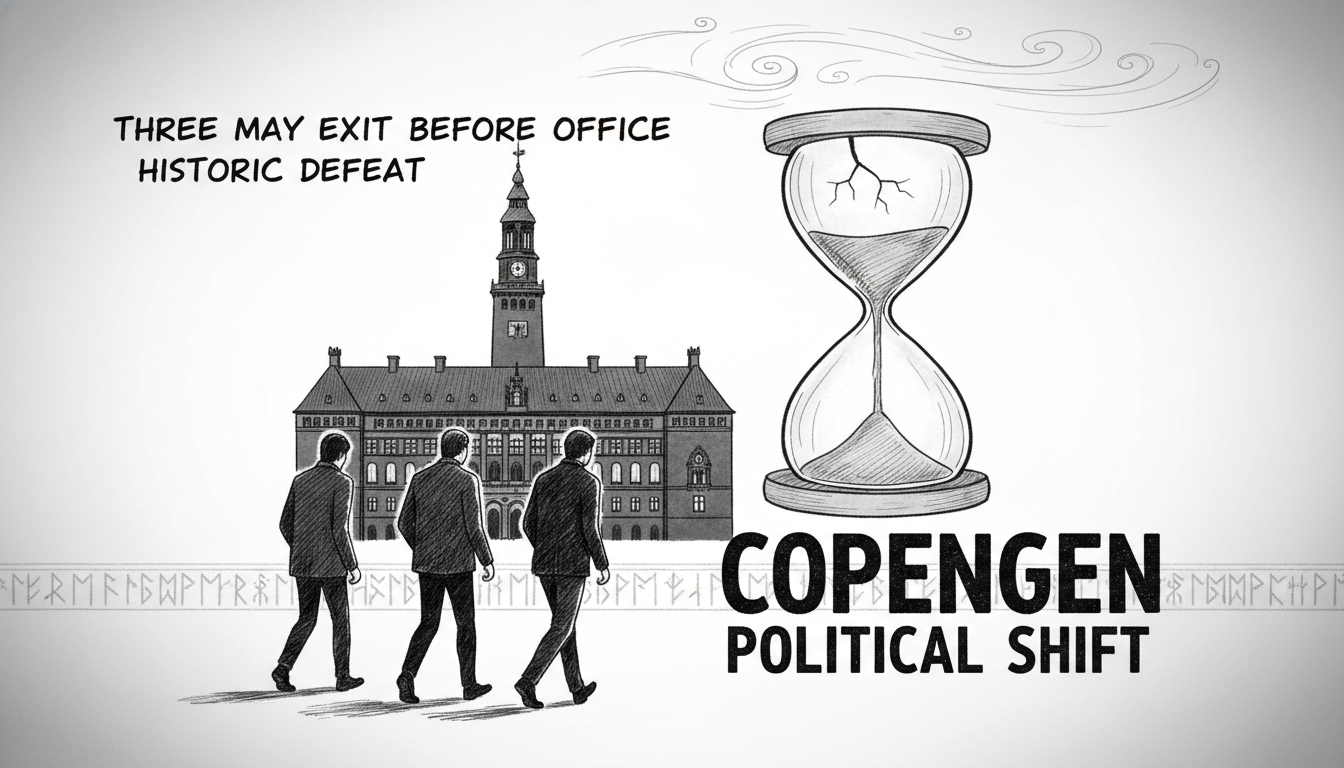
The Social Democratic Party secured just eight seats in Copenhagen's recent municipal election. This represents a historically poor performance for the party. They have governed Denmark's capital city for an entire century until this week.
Three of the eight newly elected Social Democratic council members might leave their positions before their first official workday. This potential exodus would further weaken the party's already diminished presence. Copenhagen voters delivered a clear message about wanting change in local government.
Danish municipal elections determine who governs the country's 98 municipalities. Council members serve four-year terms managing local services and budgets. The Social Democrats' century-long dominance in Copenhagen makes this result particularly striking.
Why does this dramatic shift matter for Copenhagen residents? The city faces pressing issues including housing affordability and climate adaptation. A fragmented council could struggle to address these challenges effectively. New political alliances will likely form to establish governing majorities.
International observers should note this signals broader political realignment in Nordic capitals. Similar shifts have occurred in Stockholm and Oslo recently. Urban voters across Scandinavia increasingly favor centrist and green alternatives over traditional social democratic parties.
The Copenhagen municipal government oversees crucial services for 650,000 residents. These include schools, elderly care, and urban planning. The council's composition directly impacts daily life throughout the city.
What happens next in Copenhagen politics? Negotiations between parties will determine the new governing coalition. The Social Democrats might enter opposition for the first time in living memory. This could reshape political dynamics throughout Denmark.
Danish political experts note this result reflects changing urban demographics. Younger, educated voters increasingly prioritize environmental and lifestyle issues. Traditional working-class parties struggle to maintain support in growing cities.
The potential departure of three council members before they begin work suggests internal party turmoil. Such developments typically occur when elected officials receive better job offers or face personal circumstances. The situation underscores the party's challenging position following the election.
Copenhagen's political transformation mirrors patterns seen in other European capitals. Established parties must adapt to new voter priorities or risk further decline. The coming weeks will reveal whether the Social Democrats can regroup effectively.