
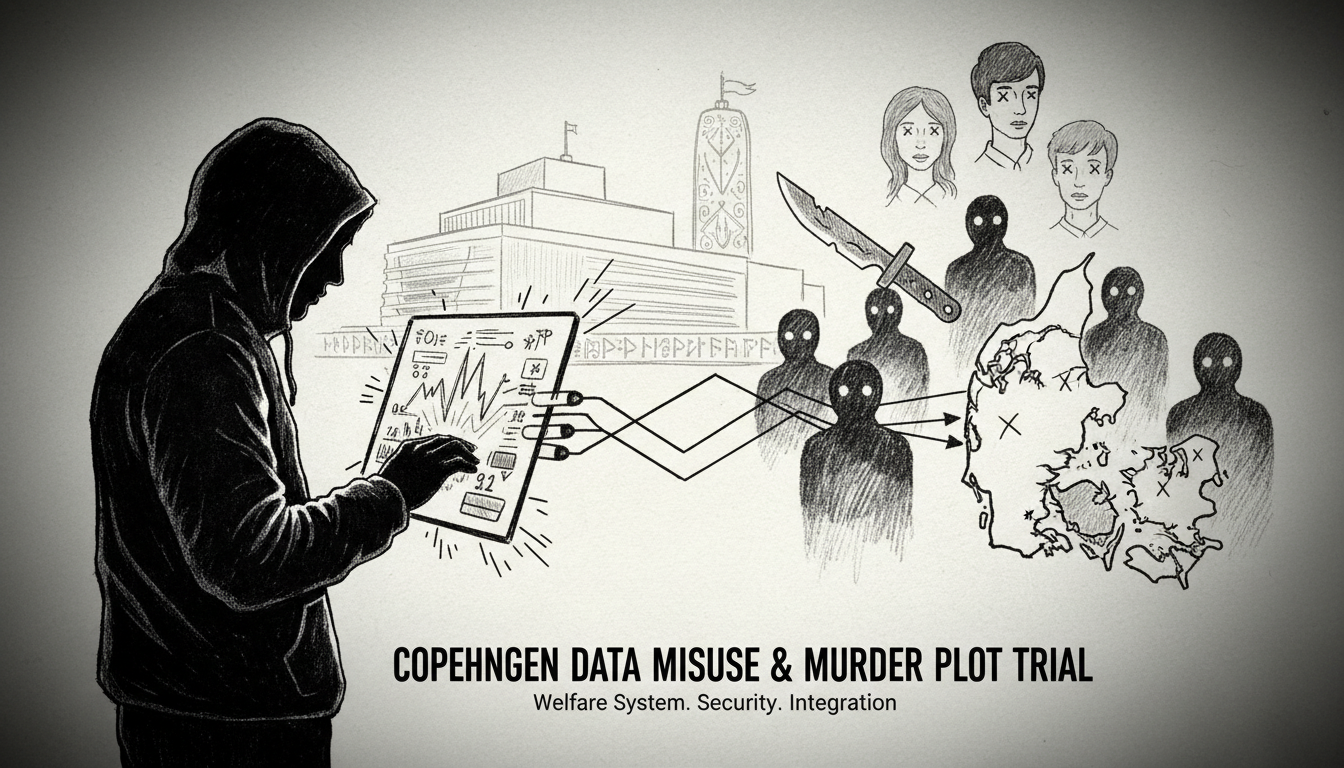
A former Copenhagen student worker faces serious charges that expose vulnerabilities in Denmark's data protection systems. The 27-year-old stands accused of accessing and selling personal information from nearly 1,600 citizens through Denmark's civil registration system. This case represents one of the largest data breaches involving a municipal employee in recent memory.
The defendant partially admitted obtaining the information but denies involvement in attempted murder charges. Prosecutors allege he shared addresses, CPR numbers, and family member details through encrypted messaging services like Telegram and Signal. This information reportedly facilitated robbery, severe violence, and one attempted murder case.
Copenhagen District Court will hear the case over eight days during February and March. The trial focuses on whether the student worker understood how criminals would use the stolen data. A former deputy police inspector noted Danish law punishes people based on their intention to commit crimes through their actions.
This incident raises crucial questions about integration and trust within Danish society. When individuals in positions of responsibility abuse access to sensitive systems, it damages public confidence in Denmark's welfare structure. The case highlights ongoing challenges in Copenhagen integration efforts where newcomers must understand and respect Danish legal and ethical standards.
Denmark's social policy relies heavily on digital infrastructure and data sharing across government systems. This breach demonstrates potential weaknesses in how municipalities manage employee access to citizen information. Copenhagen Municipality now faces scrutiny over its internal controls and staff supervision procedures.
Data protection experts express concern about the scale of this breach. The accused accessed information for 1,598 individuals, sharing comprehensive family networks and personal details. Such detailed personal mapping enables sophisticated criminal operations targeting specific individuals or families.
The Danish welfare system depends on citizens trusting that their personal data remains secure within government databases. Incidents like this undermine that fundamental social contract. Community leaders emphasize the importance of proper integration and ethical training for all public employees, regardless of their position or background.
Legal experts note the case combines traditional crime with modern digital methods. The combination of data theft and violent criminal plans represents an evolving challenge for Danish authorities. This mirrors broader European concerns about digital security and personal data protection.
Municipal social centers across Denmark may need to review their data access protocols following this case. The incident serves as a reminder that integration involves not just language skills and employment, but understanding and respecting Danish legal frameworks and ethical standards.
The trial outcome will likely influence future Danish immigration policy regarding background checks for public sector positions. It may also prompt reforms in how municipalities supervise employees with data access privileges. The case demonstrates how individual actions can impact broader social trust and system integrity.