
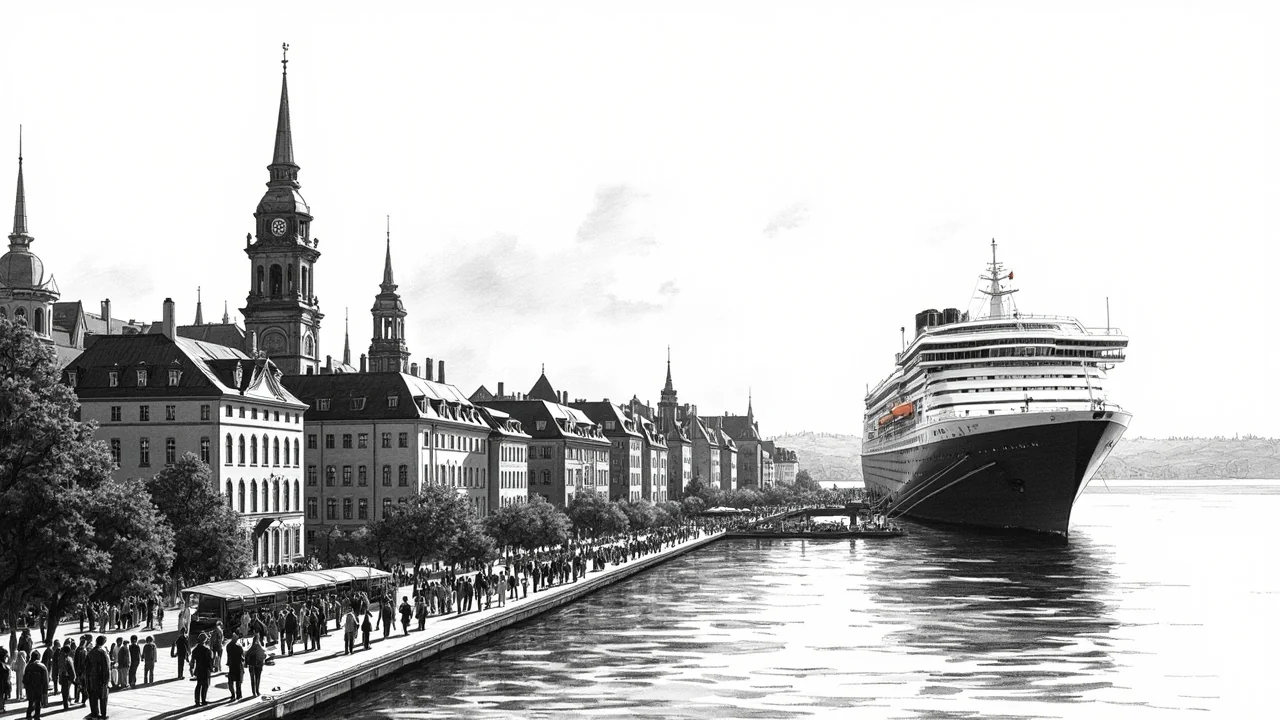
A projected surge in European cruise travel, with specific focus on Nordic fjords, presents immediate economic opportunities and long-term policy challenges for the Swedish government. Major cruise lines are finalizing itineraries that include Stockholm as a key port of call. This development will test recent Riksdag decisions on sustainable tourism and port infrastructure funding. The increased maritime traffic requires coordination between the Ministry of Infrastructure and local Stockholm politics.
Industry analysts predict booking interest will peak imminently as new seasonal schedules are released. Holland America Line confirmed new Northern Fjords routes that feature extended stops in the Swedish capital. These itineraries align with a broader industry recovery trend following several years of reduced operations. Over one hundred thousand passengers could transit through Swedish ports under these new plans.
This influx directly engages with ongoing Swedish Parliament debates on balancing economic growth with environmental targets. The government policy Sweden enacted last session allocated funds for port electrification. Minister for Infrastructure Andreas Carlson previously stated the need for 'smart growth' in maritime tourism. The upcoming season will serve as a practical test for those regulatory frameworks.
Officials at Ports of Stockholm are preparing for increased vessel traffic. 'We welcome visitors but operate within strict environmental guidelines,' a port authority representative said in a statement. The statement referenced specific amendments to the Maritime Code passed by the Riksdag. These amendments mandate shore power connectivity for larger vessels by a set deadline.
Historical context shows similar passenger surges have strained port facilities in the past. A previous increase in Baltic cruise traffic led to congestion complaints in central Stockholm. That experience informed current government policy Sweden is implementing. The new framework aims to distribute economic benefits while managing community impact.
From a political perspective, this surge creates both opportunity and pressure. The Swedish government must demonstrate its infrastructure investments can handle real demand. Opposition parties in the Riksdag building will likely scrutinize any operational failures. Success would validate recent Riksdag decisions on transport funding.
The practical implications for Stockholm politics are considerable. Local districts must manage increased foot traffic and cultural preservation concerns. City planners are already coordinating with agencies in the Rosenbad government complex. Their focus is on directing visitor flow to minimize disruption to residents.
Environmental groups have expressed cautious optimism about newer vessel technology. They also note that increased traffic inherently raises emissions and waste management questions. The effectiveness of current government policy Sweden will be measured in concrete outcomes this season. Monitoring data from the Swedish Maritime Administration will provide clear metrics.
For the broader economy, cruise tourism generates substantial secondary spending. Retail, hospitality, and tour operators in Stockholm stand to gain significant revenue. This aligns with national goals for regional economic development outside major urban centers. Ports in Gothenburg and Visby may also see increased calls.
The coming months will reveal how well different bureaucratic layers coordinate. National policy set in the Riksdag must align with municipal execution in Stockholm. This intergovernmental dynamic often determines policy success or failure. The cruise season offers a visible case study in Swedish governance.
Analysts note the government faces a classic policy trade-off. Maximizing economic return could conflict with sustainability pledges and quality of life for residents. The Swedish Parliament crafted legislation attempting to balance these competing interests. Real world results will now judge that legislative effort.
This situation is not unique to Sweden but takes specific form here due to existing policy frameworks. The Swedish government's approach could become a model for other Baltic nations. Its success or failure will influence regional maritime policy for years. All stakeholders are watching the preparations closely.