
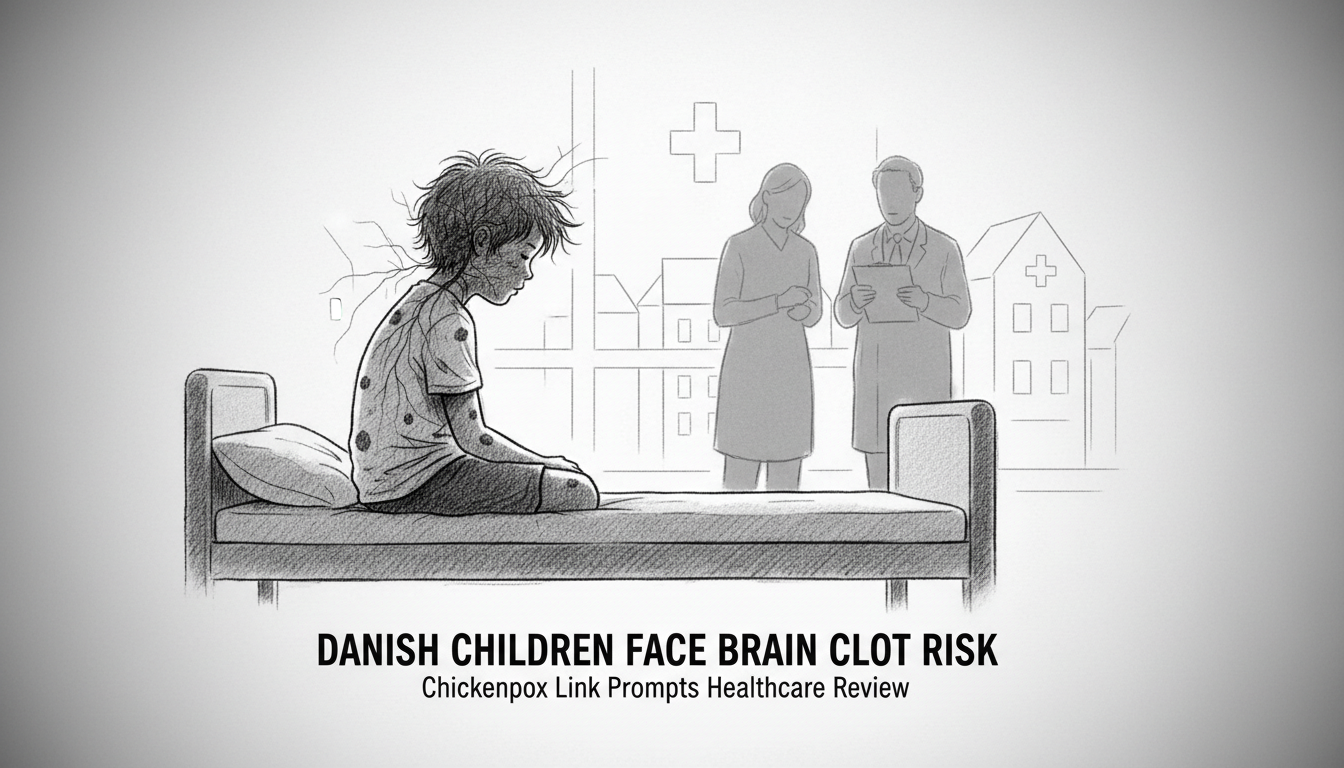
Several young children across Denmark have developed brain blood clots and subsequent paralysis shortly after experiencing chickenpox infections. Medical investigations reveal concerning connections between the common childhood illness and these severe neurological complications. Nearly all children contract chickenpox during their early years, but new research indicates potentially devastating consequences for a small percentage of affected youth.
Danish healthcare professionals express growing concern about these rare but serious outcomes. They note the cases involve children who developed cerebral thrombosis within weeks of their chickenpox diagnosis. The condition can lead to lasting paralysis and requires immediate medical intervention. These findings emerge amid ongoing discussions about childhood vaccination programs and preventive healthcare within Denmark's welfare system.
Medical experts explain that while chickenpox typically presents as a mild childhood illness, viral infections can sometimes trigger inflammatory responses affecting blood vessels. This inflammation may lead to clot formation in critical areas like the brain. Copenhagen pediatric specialists emphasize the importance of monitoring children closely during and after viral illnesses.
Denmark's healthcare system faces new challenges in addressing these rare complications. The country maintains comprehensive vaccination records and follows national health guidelines developed through its public health institutions. Danish municipalities coordinate local health services through community health centers that track childhood development and immunization patterns.
Integration of medical research into practical healthcare policy remains crucial for Denmark's social welfare model. The nation's approach to public health combines universal healthcare access with systematic data collection. This structure allows health authorities to identify emerging patterns and respond through updated medical guidelines.
Parents across Danish communities report increased awareness about potential complications following common childhood illnesses. Local social centers provide information sessions in multiple languages, addressing concerns from international families navigating the Danish healthcare system. Community health workers help bridge communication gaps between medical professionals and diverse population groups.
Medical researchers continue investigating why certain children develop these severe reactions while most experience routine recovery. They examine genetic factors, environmental influences, and potential triggers within the immune response. Danish research institutions collaborate internationally to understand these rare neurological events better.
Healthcare professionals stress that parents should maintain routine vaccination schedules while watching for unusual symptoms. They recommend immediate medical consultation if children show signs of severe headache, vision changes, or limb weakness following viral infections. Early detection significantly improves outcomes for neurological complications.
Danish health authorities balance public communication about rare risks against causing unnecessary alarm. They provide clear guidelines through municipal health services while continuing research into these complex medical relationships. The integration of new findings into practical healthcare approaches reflects Denmark's adaptive social policy framework.
These medical developments occur within Denmark's broader context of universal healthcare and preventive medicine. The country's welfare system emphasizes early intervention and comprehensive child health monitoring. This approach aligns with Danish social policy priorities regarding family support and childhood development.