
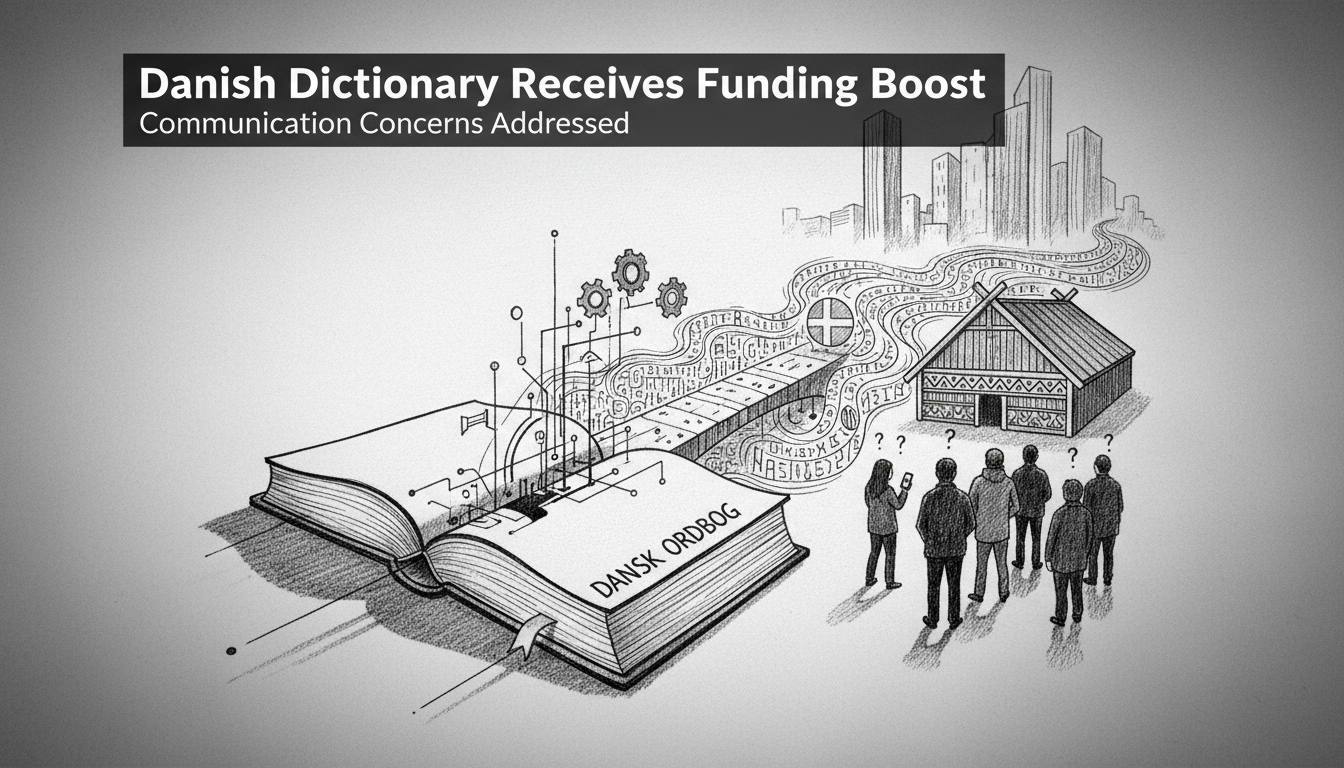
The Danish Dictionary project has secured the additional funding it long sought. The organization behind this linguistic work also acknowledged communication shortcomings throughout the process. This development touches on deeper questions about language integration in Danish society.
Language represents a critical gateway for newcomers navigating Copenhagen integration challenges. Many immigrants find Danish language acquisition difficult despite Denmark's comprehensive social policy framework. The dictionary's funding situation reflects broader debates about resource allocation within the Danish welfare system.
Community centers across Copenhagen municipalities report high demand for language resources. A community organizer from Nørrebro noted that clear communication matters greatly for those navigating Denmark immigration policy. Language barriers can complicate access to healthcare, education, and employment opportunities.
Statistics reveal important patterns about language acquisition success rates. Approximately 65% of participants in municipal language programs achieve proficiency within three years. Yet significant variations exist between different immigrant groups and educational backgrounds.
The Danish Dictionary's situation demonstrates how cultural institutions operate within constrained budgets. Government funding for language preservation competes with other social priorities. Some policymakers question whether traditional dictionary projects remain relevant in digital times.
Language professionals express mixed reactions to the funding news. One linguist working with immigrant communities welcomed the support but questioned the communication issues. They emphasized that language tools must evolve to serve Denmark's changing demographic reality.
This funding decision arrives during ongoing debates about integration metrics. Recent reports show language proficiency strongly correlates with employment outcomes. Municipal integration centers increasingly emphasize practical language skills over theoretical knowledge.
The dictionary's role extends beyond native speakers to include language learners. Newcomers to Denmark often struggle with the nuances of Danish pronunciation and grammar. Updated reference materials could potentially assist both groups in different ways.
What does this mean for Denmark's approach to integration? The simultaneous funding approval and communication apology reveals systemic tensions. Cultural institutions face pressure to modernize while maintaining traditional functions. This balancing act reflects broader challenges within Danish integration policy.
The dictionary's journey mirrors larger conversations about cultural preservation versus adaptation. As Denmark continues refining its approach to diversity, language remains at the center of these discussions. The outcome will influence how future generations experience Danish society and its welfare structures.