
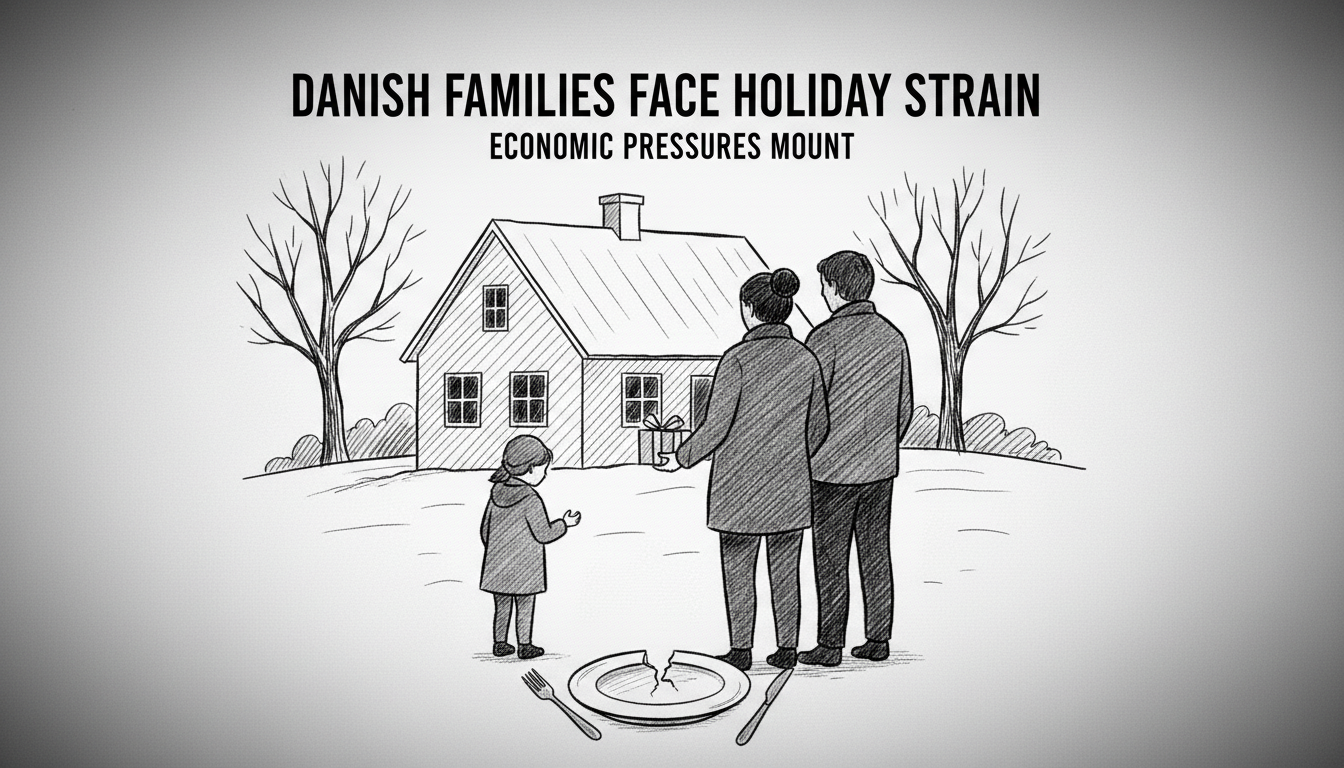
A new report reveals the acute financial stress facing vulnerable Danish families during the holiday season. The study shows 89 percent of families receiving Christmas aid must severely cut back or completely forgo gifts for their children. One mother, Aiga Zevalde, describes skipping meals to ensure her ten-year-old son can eat. She manages on a tight budget as a flex worker, with limited funds after fixed expenses. Her story highlights a broader economic pressure point in an otherwise strong Danish economy.
The Danish economy, known for its robust welfare state and high living standards, faces a paradox. While national indicators like exports and corporate revenues from firms like Ørsted and Vestas show strength, a segment of the population feels left behind. The cost of living, particularly in urban centers like Copenhagen and the Øresund region, creates a squeeze for low and middle-income families. This seasonal pressure acts as a magnifying glass on year-round budgetary struggles.
Rannvá Møller Thomsen, an analysis chief for the aid organization behind the report, stated the families they assist perform all kinds of gymnastics to make daily life work. The survey of over 22,000 former aid recipients found 69 percent experience high stress levels, more than double the national average. One in five families has at times skipped necessary meals for their children due to finances. This constant worry affects sleep and mental well-being, Thomsen explained.
The situation presents a challenge for social cohesion and has indirect business implications. Consumer spending among this demographic is severely constrained, affecting retail sectors in Copenhagen's shopping districts and beyond during a traditionally high-sales period. Reduced disposable income can ripple through local economies. While major Danish companies report solid quarterly figures, the story at the household level can be markedly different.
For international observers, this underscores that even in prosperous Nordic economies, inflation and stagnant wages for some sectors create real hardship. The Danish model relies on high employment and social safety nets, but gaps remain. The aid campaign, running from December 1st to 23rd, seeks to provide direct support to families in vulnerable positions. Zevalde hopes for assistance again this year but acknowledges many others are in need. Her son, aware of their limits, recently told her he did not want any gifts. She finds pride in his understanding, even as it highlights their difficult reality.
This report serves as a timely reminder that economic metrics only tell part of the story. The health of an economy is also measured by the security of its most vulnerable citizens, especially during times of celebration meant for all.