
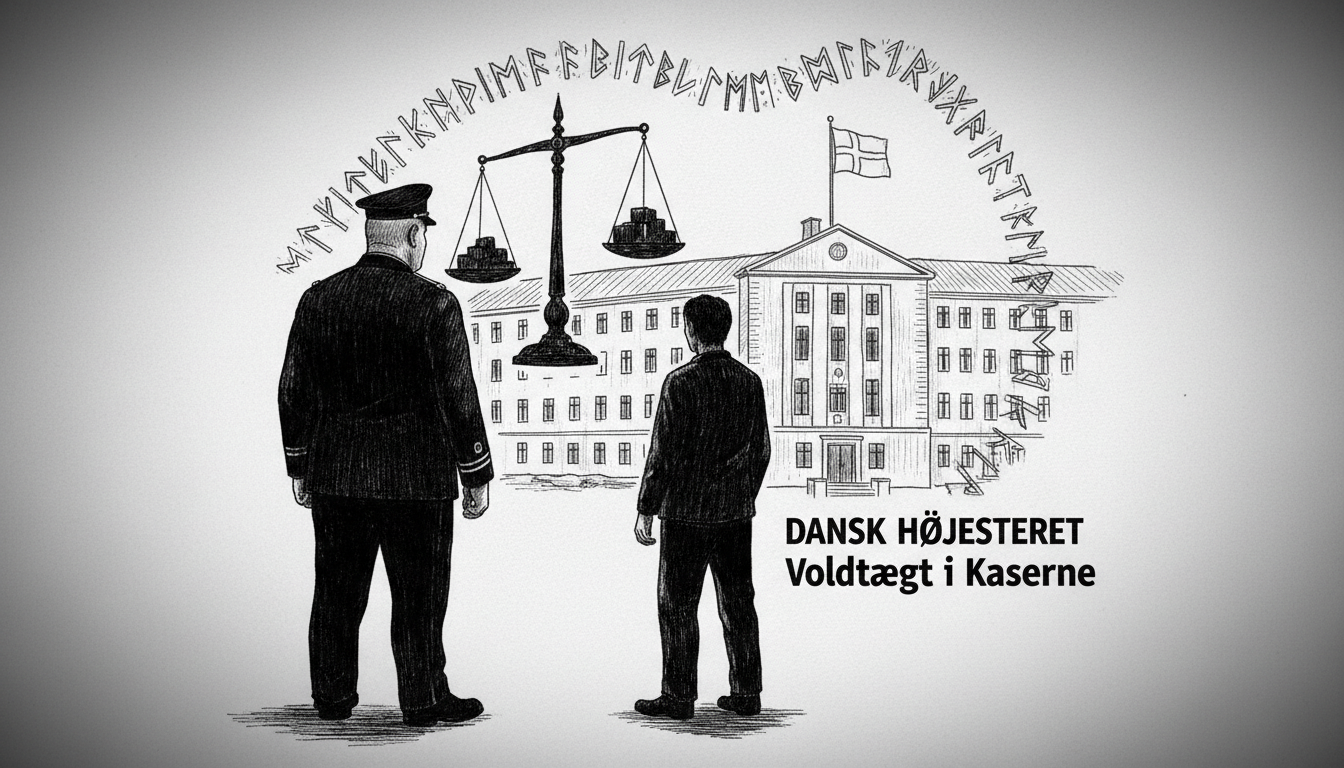
A Danish High Court has delivered a decisive verdict in a sensitive case that tested the nation's legal definitions of consent. The Eastern High Court sentenced a 23-year-old man to prison for rape at the Antvorskov Barracks in Slagelse. This ruling reversed a previous acquittal from a lower court in Næstved. The court found there was no consent for intercourse and that the man should have realized this. He was convicted of rape and rape by other sexual acts but acquitted of a separate indecency charge. The assault occurred during the night in early January.
This case highlights the ongoing national conversation about sexual violence and consent within institutional settings. Denmark has worked to strengthen its legal framework around sexual consent in recent years. The reversal by the High Court signals a stricter judicial interpretation. It underscores the principle that consent must be clear and unambiguous. Legal experts note this aligns with broader Nordic trends toward stronger victim protections. The case occurred on a military base, which adds a layer of institutional responsibility. Such settings often have specific codes of conduct and reporting protocols.
For international observers, this verdict reflects Denmark's complex social landscape. The country maintains a robust welfare system and high gender equality rankings. Yet it grapples with persistent challenges around integration and social cohesion. Cases involving young men, particularly in structured environments like barracks, often spark wider debates. These debates focus on education, cultural norms, and the effectiveness of social policies. Danish municipalities and social centers frequently run programs on healthy relationships and consent. The outcome of this trial may influence those community-level initiatives.
Statistics show conviction rates for sexual crimes remain a point of discussion in Denmark. The justice system's handling of such cases is closely watched by advocacy groups. A high-profile reversal like this one carries significant weight. It demonstrates the appellate court's role in setting legal standards. The message is clear about the burden of understanding consent. This has implications for educational programs in schools, universities, and yes, even military institutions. The case also touches on the integration of legal principles across different segments of Danish society.
What happens next? The convicted individual has the right to appeal to the Supreme Court. The final judgment will set a lasting precedent. For now, the High Court's decision reinforces a critical legal standard. It affirms that the absence of a 'no' does not equate to a 'yes'. This is a fundamental lesson for Danish society and its ongoing evolution. The case serves as a sobering reminder. True integration and social harmony require respect for personal boundaries at the most basic level. The Danish welfare model is built on trust and security for all. Upholding that trust means ensuring justice in cases where that security is violated.