
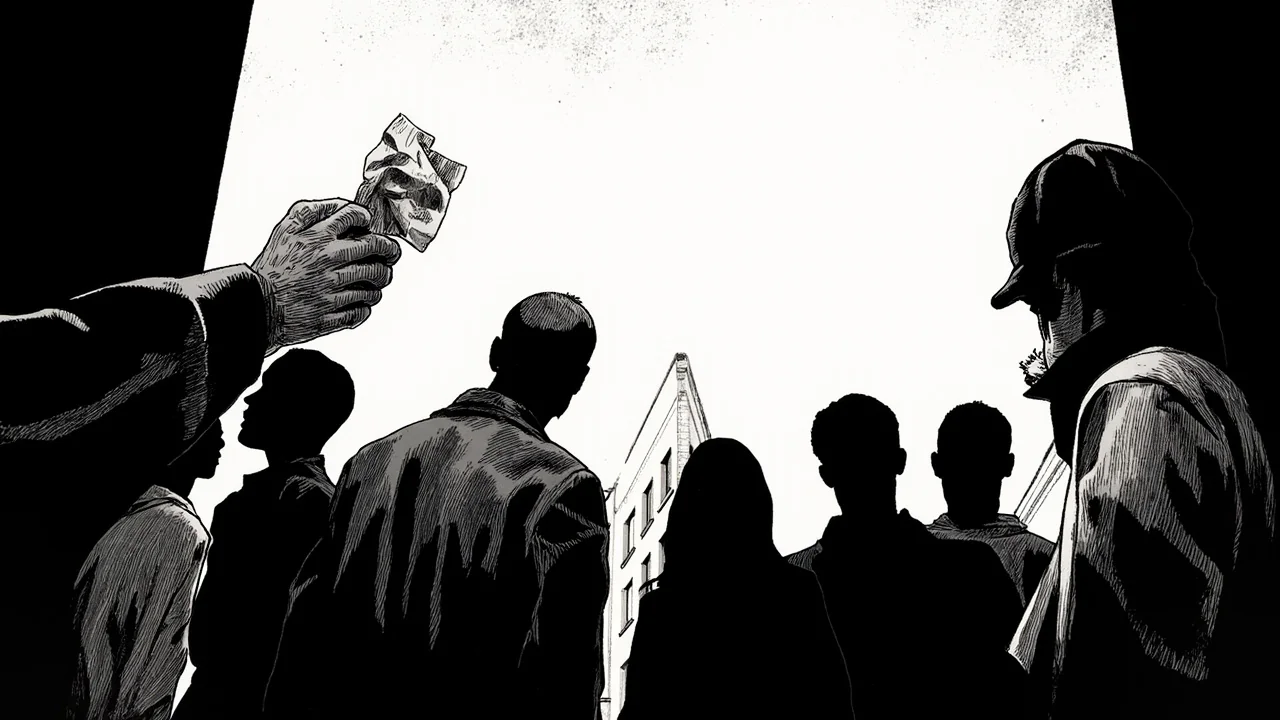
Denmark's homeless shelters report unprecedented demand as temperatures plummet to -19°C, forcing charities to use a lottery system for life-saving beds. The nation’s two largest aid organizations, Blue Cross Denmark and Church Army, confirm they are at maximum capacity in major cities and regions nationwide, turning vulnerable individuals back into deadly frost. This situation presents a stark paradox for one of the world’s wealthiest and most socially conscious societies during its harshest winter in five years.
A System Under Extreme Pressure
Communications chief Thomas Røddik Korneliussen for Blue Cross Denmark states the organization is witnessing 'extraordinarily many homeless' seeking shelter and food. 'This cold with double-digit minus degrees is pressing the people we must help,' he said. Blue Cross operates 13 social facilities across the country, all reporting full occupancy. The problem is acute in Copenhagen and Aarhus but also severe in cities like Herning in Central Jylland, where teams are attempting to create extra sleeping spaces to avoid sending anyone into the cold. At the Grace shelter in Copenhagen, with just 16 beds, demand far exceeds supply. 'Those are the harsh terms, because we do not have permission to have more,' Korneliussen explained, detailing the lottery process used when too many arrive.
Jeanette Bauer, chief of Kirkens Korshær (Church Army), echoes this dire assessment. Her organization’s shelters and warming centers are also at maximum pressure. 'Unfortunately, we have situations where we must draw lots for the places,' Bauer confirmed. She acknowledged that people are being turned away, a decision with potentially fatal consequences. 'In this cold, it is a question of life or death if you are left to the street,' she stated bluntly. The limiting factor, according to Bauer, is not will but resources: the economy prevents opening more overnight spaces.
The Economic and Social Policy Failure
From a business and economic correspondent’s perspective, this crisis is a direct reflection of policy and budgeting decisions. Denmark prides itself on a comprehensive welfare state, yet its safety net is visibly failing a vulnerable demographic. The situation contradicts the nation’s international brand of social responsibility and humane capitalism. The struggle faced by these charities—primarily funded through donations and limited municipal contracts—highlights a gap in public sector provisioning. It raises urgent questions about municipal budgeting priorities in cities like Copenhagen, where commercial development and tourism revenues are strong, yet basic human shelter is rationed.
Experts in social policy would likely point to a combination of factors: rising living costs, insufficient affordable housing stock, and complexities in mental health and addiction services. While Denmark's overall economy remains stable, with low unemployment, the benefits are clearly not reaching everyone. The individuals caught in this lottery are those who have fallen through every layer of the social security system. The crisis exposes a flaw in the model—when charitable organizations become the primary emergency responders for life-and-death situations, their funding limitations become a matter of public safety.
A Meteorological Perfect Storm
The weather has created a critical emergency. Since the new year, Denmark has been gripped by snow and low temperatures. The night to Sunday saw the coldest reading in five years: -19.4°C in Isenvad, Midtjylland. The Danish Meteorological Institute (DMI) has issued warnings for snowdrifts. While milder weather is forecast later in the week, the current conditions are precisely what the shelter system is designed for, yet is unable to fully manage. This isn't a fleeting chill but a sustained, dangerous freeze that increases the immediate risk of hypothermia and death for those without housing. The demand on services isn't just high; it’s at a survival-driven peak.
Seeking Solutions Beyond the Lottery
The immediate solution is, tragically, the lottery. The long-term solutions are more complex and expensive. It requires a coordinated effort between the state, municipalities, and charitable organizations. Analysts suggest it necessitates a review of housing-first policies, increased permanent funding for shelter beds, and better integration of health and social services to prevent people from reaching the point of homelessness. Some municipalities have experimented with repurposing vacant public buildings as winter shelters, a measure that may need broader adoption.
Business leaders in the Øresund region and beyond often speak of corporate social responsibility. This crisis presents a clear opportunity for private sector engagement—not just through donations, but through partnerships offering spaces, logistics, and sustainable funding models. The cost of inaction is measured in human lives and also in the social cohesion that underpins Denmark’s stable business environment.
The scene outside a Copenhagen shelter on a freezing night, where individuals wait to see if a drawn lot grants them a safe place to sleep, is incompatible with the image of modern Denmark. It forces a difficult national question: if the system cannot protect its most vulnerable from the cold, what fundamental promise has been broken? As the climate produces more extreme weather events, this winter’s emergency is a test the state cannot afford to fail again. The need for a reliable, well-funded safety net is not just a charitable concern; it is a benchmark of a functioning society.