
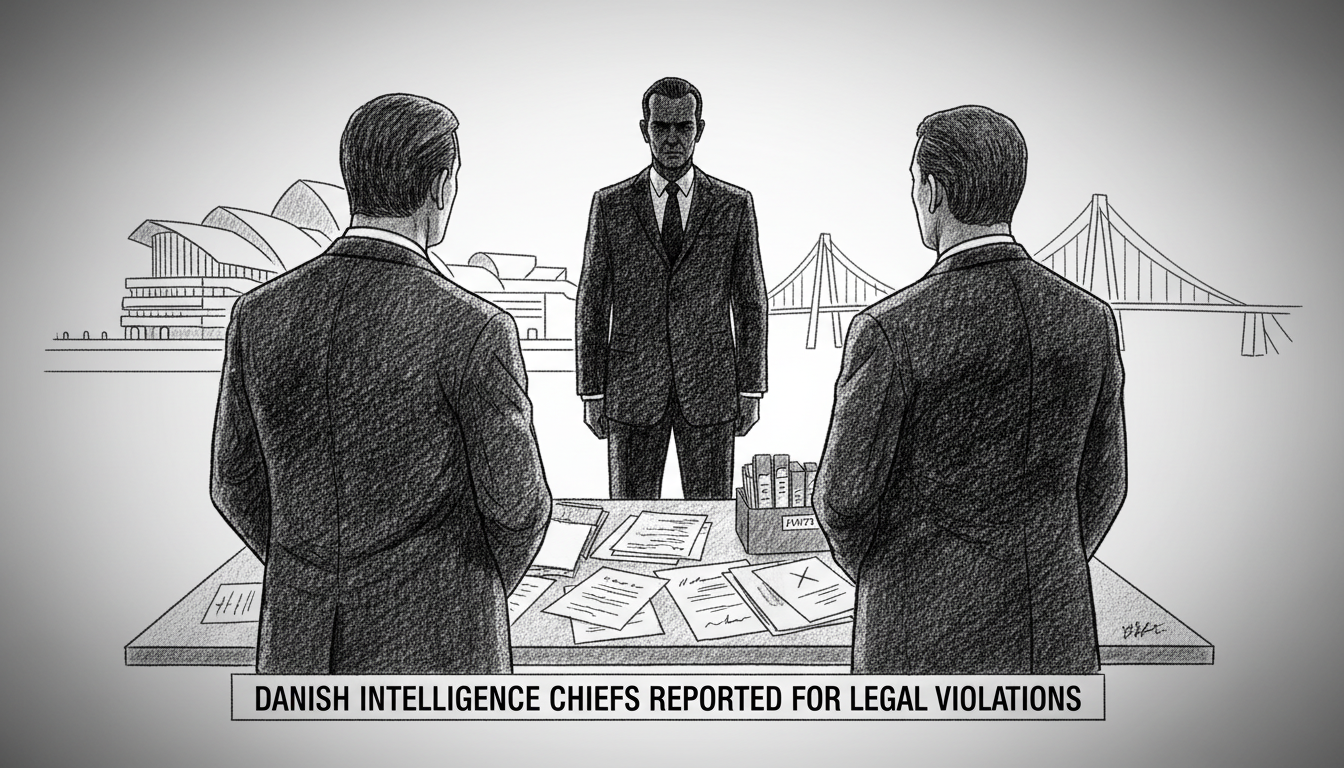
Denmark's Defense Intelligence Service faces serious legal scrutiny after current and former leaders were reported to military prosecutors. The case involves potential criminal code violations during an internal investigation into information leaks. This development reveals deep tensions within Denmark's security apparatus and raises questions about accountability in state institutions.
Military prosecutors confirmed they received complaints about named employees from the intelligence service. Sources indicate former chief Svend Larsen and several current staff members face allegations. The complaints focus on possible false reporting and abuse of position during the service's internal probe.
This situation connects to the broader FE case where former chief Lars Findsen and other intelligence personnel faced arrest in late 2021 for leaking state secrets. The current allegations target the methods used during the initial internal investigation that preceded police involvement. Intelligence service officials conducted security interviews with selected staff and examined phone records from Findsen's device to identify journalist contacts.
The military prosecution system handles cases involving defense personnel while civilian police address complaints about civilian employees. Copenhagen Police received two cases involving civilian intelligence staff but declined to confirm their investigation status. The intelligence service maintains no comment position given current information limitations.
A 62-year-old female employee, previously arrested and later cleared in the original case, reportedly suffers from PTSD following her experience. She was detained by police tactical units while commuting to work and handcuffed despite ultimately facing dropped charges described as groundless. The woman never received clear explanation about the suspicion basis against her.
Former department head Gorm Martin Larsen described the treatment she endured as deeply disturbing. He observed her frequently appearing shaken, pressured, intimidated and threatened during the investigation process. The handling of her case seemed profoundly offensive and contrary to basic legal principles in his assessment.
Denmark's military prosecution system operates independently from defense command structures under legal frameworks established through comprehensive 2005 reforms. Military justice follows civilian legal standards with additional regulations addressing defense service peculiarities. This independence becomes crucial when investigating senior intelligence leadership.
The ongoing situation demonstrates the complex balance between national security needs and individual rights protection. As Denmark continues refining its integration policies and social welfare systems, this case highlights the importance of transparent accountability mechanisms within all public institutions. The treatment of employees during internal investigations raises questions about workplace culture even in sensitive security organizations.
International observers monitoring Danish society news and Copenhagen integration efforts should note how this case develops. It touches upon fundamental questions about government transparency and employee protections within Denmark's much-admired welfare system. The outcome could influence future Denmark immigration policy implementation and social service administration standards.
What begins as an internal personnel matter evolves into a test of institutional integrity. The coming weeks will show whether Denmark's legal systems can effectively scrutinize powerful intelligence structures while maintaining national security priorities. This balancing act remains challenging for democratic societies worldwide.