
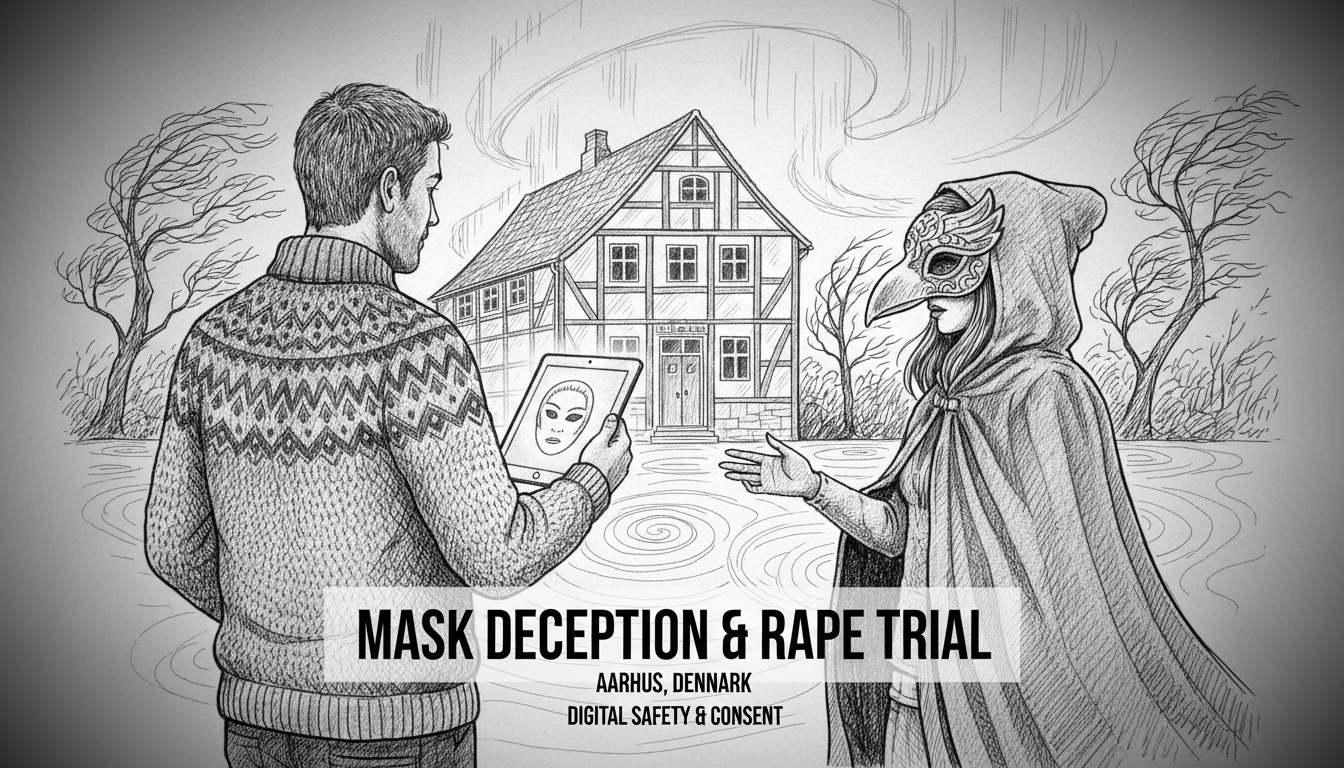
A Danish man in his forties from Jutland is on trial in Aarhus this week. He faces serious charges of rape and identity fraud. The case centers on allegations that he deceived a woman online by impersonating another person. He then convinced her to wear a mask during their meetings so she could not see his face. The prosecution states this happened at several hotels in Aarhus during the first quarter of last year. The man is formally charged with two counts of rape and one attempted rape. He also faces charges of identity theft and document forgery. The police are seeking a prison sentence. The defense lawyer has declined to comment before the trial begins. The court's decision will determine his legal fate.
This disturbing case touches on deep questions about trust and safety in Denmark's digital dating landscape. It reveals vulnerabilities that exist even within a society known for its strong social trust and low crime rates. The incident occurred in Aarhus, Denmark's second-largest city and a major university hub. Such cities often see high interaction between locals and newcomers through social apps and dating platforms. The case immediately raises concerns about how integration and social policy frameworks address digital safety. Community centers and municipal support networks typically focus on language and employment. They rarely cover the nuances of navigating personal relationships and consent in a new cultural context. This gap can leave individuals, particularly those newer to Danish social norms, at risk.
From a legal perspective, Danish law treats rape and sexual violence with severe penalties. The justice system operates with a high conviction rate for such crimes when evidence is clear. The addition of identity fraud charges complicates the case significantly. It shows a premeditated pattern of deception that goes beyond a single moment. The prosecution's case hinges on proving the woman's consent was invalid because it was based on a fundamental misconception of her partner's identity. This is a complex legal argument that the court must now unravel. The outcome could set a precedent for how similar cases of online impersonation leading to sexual acts are handled. It highlights the challenge for laws written before the digital age to adapt to new forms of deception.
For international observers, this case is a stark reminder that social challenges exist everywhere. Denmark's welfare system is robust, but it cannot prevent all forms of interpersonal crime. The story connects to broader discussions about Copenhagen integration policies and social cohesion. How do societies ensure safety and informed consent as more human interaction moves online? Municipal social services in cities like Aarhus and Copenhagen may need to expand their community education programs. These programs could address digital literacy and personal safety alongside traditional topics. The case also underscores the importance of reporting mechanisms. Victims must feel supported by both the legal system and community networks to come forward. The trial's proceedings will be closely watched by advocacy groups and policymakers alike. They will analyze its implications for future social policy and support structures within the Danish welfare system.