
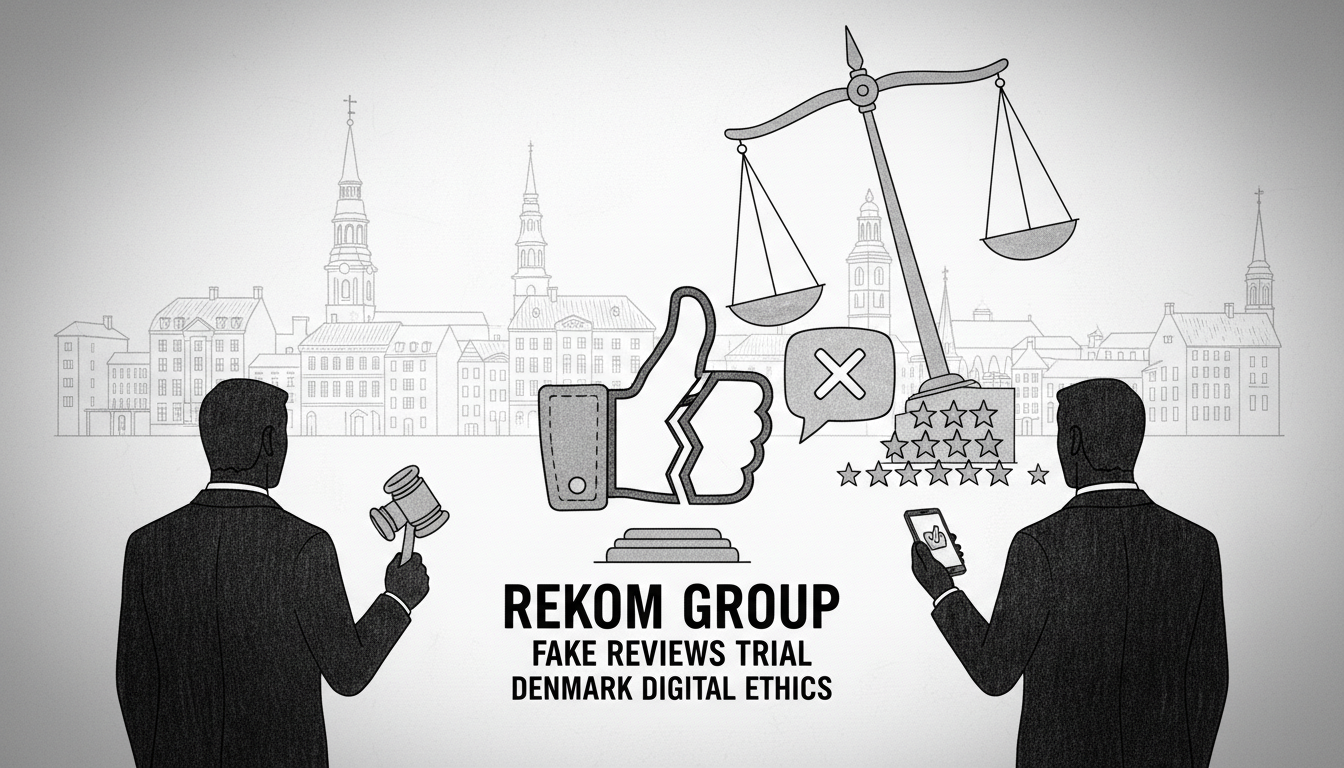
The Danish Consumer Ombudsman and public prosecutor have brought a landmark case against Rekom Group and its payment app Nightpay. The case centers on 13 positive reviews posted to Trustpilot in early 2020. The reviews were written by Rekom employees about the company's own app. Authorities allege this was a clear breach of Denmark's strict marketing laws. Both companies have pleaded not guilty in the ongoing trial.
This case strikes at the heart of corporate ethics in Denmark's service sector. Rekom is Scandinavia's largest nightlife operator. It runs popular venues across Copenhagen's Indre By and Vesterbro districts. The company's financial health is tied to consumer trust. A guilty verdict could damage its brand and affect investor confidence on the Copenhagen Stock Exchange. The trial also highlights the growing scrutiny of digital marketing practices. Danish authorities are actively policing online reputation management.
Denmark's Marketing Practices Act is known for its consumer protection focus. It prohibits any marketing that is not readily identifiable as such. The law aims to ensure transparency and honest competition. Past rulings have set heavy fines for similar violations. The outcome of this case will set a precedent for employee advocacy online. It asks a critical question. Where does legitimate employee enthusiasm end and deceptive marketing begin?
For international businesses, this case illustrates the regulatory environment in the Øresund region. Danish consumer law enforcement is proactive and strict. Companies operating here must ensure all promotional activities are transparent. This includes social media and review platforms. The case serves as a warning to multinationals with Danish subsidiaries. Local marketing teams must understand these specific legal boundaries.
The trial's timing is notable. It comes as Denmark promotes its green transition and stable business climate. Scandals involving major consumer brands could undermine that narrative. Rekom's operations span the Nordic region. A conviction might influence similar legal actions in Sweden or Norway. The case also touches on the gig economy. Nightpay is used by many freelance bartenders and security staff. Their trust in the platform is now under public examination.
What does this mean for Copenhagen's business landscape? The city's economy relies heavily on tourism and hospitality. Trust is its currency. A ruling against a major player like Rekom could force industry-wide changes in marketing departments. It may lead to stricter internal compliance protocols. Other Danish consumer-facing companies in fields like renewable energy or design will be watching closely. Their export brands depend on a reputation for integrity.
The court must decide if the employees' actions were a coordinated company strategy or individual missteps. The companies deny any organized wrongdoing. Their defense will likely argue the posts were personal opinions, not official marketing. The prosecution contends the employees were acting on behalf of their employer. This legal distinction will determine the verdict. The case is a direct test of how traditional marketing law applies to the modern, decentralized world of online reviews.