
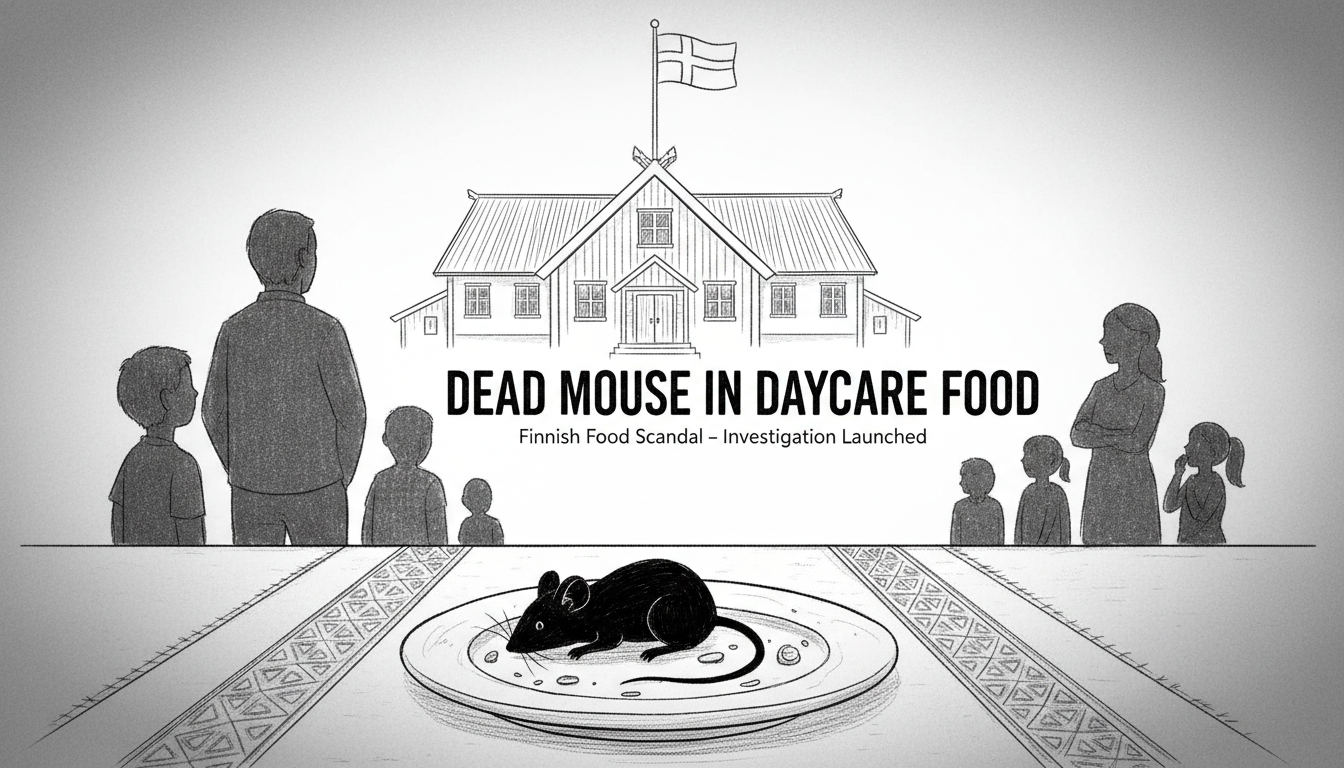
A dead mouse was discovered in food served at a daycare center in Haukipudas, Finland. The incident occurred on Monday during meal service at Asema Daycare Center. Kitchen staff found the rodent while serving the food. They immediately removed the contaminated meal from service. However, 59 people had already received portions before the discovery.
The food had been prepared at Haukipudas Unified School by ISS catering services. This same batch of food was also delivered to two other facilities. These included Toimintakeskus Tsemppi activity center and Hoivatien special care unit. Officials collected samples of the contaminated food for laboratory testing.
Oulu city officials explained how the mouse entered the food supply. The rodent arrived with uncooked pasta that was later boiled. Cooking occurred before anyone spotted the mouse in the prepared meal. The city promised to provide more information about the incident on Thursday.
This food safety breach raises serious questions about quality control in institutional catering. Finland maintains high food safety standards typically. Yet this incident shows vulnerabilities in the system. Parents naturally worry about their children's wellbeing when such lapses occur.
Food safety experts note that proper inspection of raw ingredients is crucial. They emphasize that multiple checkpoints should prevent such contamination. The incident suggests breakdowns in both ingredient inspection and final meal review.
Finnish food safety authorities take such violations seriously. They typically conduct thorough investigations when contamination occurs. The laboratory results will determine what actions officials take next. Possible outcomes include fines for the catering company or improved inspection protocols.
This case echoes similar food safety incidents in Nordic institutions. Sweden faced a comparable situation in 2022 when foreign objects appeared in school meals. Norway also dealt with kitchen contamination issues last year. These repeated incidents suggest systemic challenges in mass food preparation services.
International readers should understand Finland's generally excellent food safety record. The country typically ranks among Europe's safest food systems. This incident represents an exception rather than the norm. Still, it highlights that no system is completely immune to human error or procedural failures.
The psychological impact on children and parents cannot be overlooked. Young children might develop food anxieties after such experiences. Parents trust institutions to maintain basic safety standards. When that trust breaks, restoring confidence requires transparent investigation and meaningful changes.
What happens next depends on the investigation findings. The catering company might face contract review or termination. The city will likely implement additional food safety measures. Affected families may receive apologies and assurances about future meal safety.