
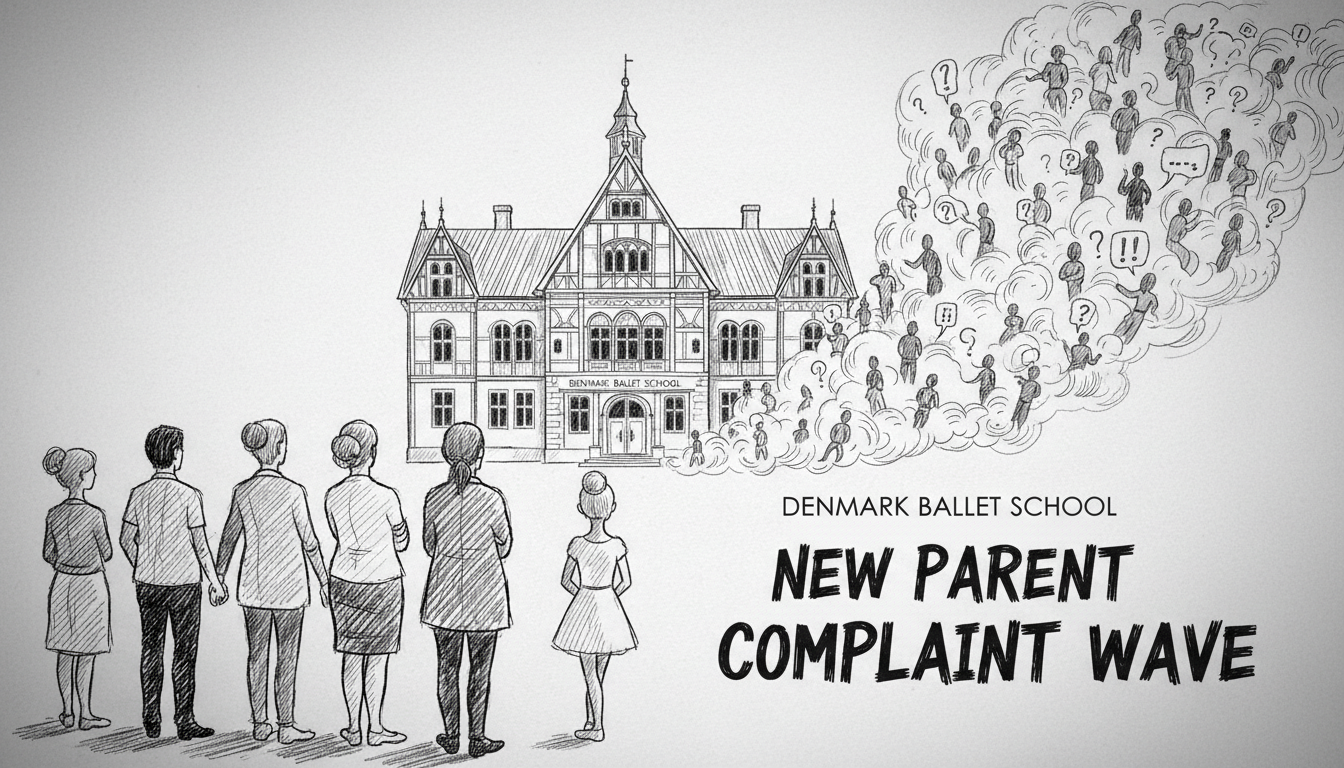
Denmark's prestigious Royal Danish Ballet School is confronting a fresh wave of criticism from concerned parents. The parents, described as nervous and frustrated, are preparing to file a formal complaint with the country's Ministry of Culture. This action follows a major Danish newspaper's report detailing numerous grievances about the school's environment and leadership. The situation highlights the ongoing tension in elite performing arts education between producing world-class talent and safeguarding child welfare.
For generations, the Royal Danish Ballet School has stood as the primary gateway to a professional dance career in Denmark. Its association with the Royal Danish Theatre grants it immense prestige and influence. Students who succeed there often join the ranks of the renowned Royal Danish Ballet. Yet this path is notoriously demanding, starting with intense auditions for children as young as six. The current controversy suggests a growing parental revolt against the traditional methods and pressures inherent in this system.
A Pattern of Concern Emerges
Reports indicate a significant number of parents have come forward with shared worries. Their concerns reportedly span several areas, including the school's leadership style, the daily environment for students, and the handling of previous complaints. The decision to escalate matters to the Ministry of Culture signals a breakdown in trust with the school's internal governance. It marks a formal step that could trigger external scrutiny of the institution's practices.
This is not the first time the ballet school's culture has been questioned. Periodic debates have surfaced over decades about the physical and psychological demands placed on young dancers. The pursuit of technical perfection in ballet requires immense discipline, often instilled from a very early age. Critics have long questioned where necessary rigor ends and excessive pressure begins. The current parent-led complaint brings this decades-old debate back into the public eye with renewed urgency.
The Delicate Balance of Arts Education
Experts in performing arts education recognize the inherent difficulty of this situation. "Training for elite ballet is, by its nature, extremely demanding," says a professor of dance pedagogy, who asked not to be named due to the sensitivity of the topic. "The body must be trained during specific developmental windows, and the competition is global. However, we now understand much more about child development, psychology, and the long-term impacts of high-stress training environments. The challenge for any top institution is to integrate that knowledge without compromising artistic standards."
Child welfare advocates emphasize the vulnerability of children in specialized, high-pressure institutions. They argue that the power dynamic between a prestigious school and aspiring young students—and their families—can make it difficult to voice concerns. A formal complaint to a government ministry is a rare and significant act. It suggests parents feel existing channels for addressing problems within the school's structure have failed. The Ministry of Culture, which oversees the Royal Danish Theatre, now faces the task of investigating these allegations.
The Ministry's Role and Potential Reforms
The complaint to the Ministry of Culture places the issue squarely within the realm of public cultural policy. The Ministry funds and holds supervisory responsibility for the Royal Danish Theatre and, by extension, its ballet school. This move transforms a series of individual grievances into a matter of institutional accountability. It asks whether a state-supported cultural flagship is adhering to modern standards of child safety and educational well-being.
Possible outcomes range from an internal review mandated by the Ministry to a more independent investigation. The process will likely examine the school's policies, complaint procedures, and overall educational environment. Other countries have faced similar scandals in elite sports and arts schools, leading to widespread reforms. These often include implementing independent child welfare officers, clearer protocols for reporting concerns, and mandatory training on child development and psychology for all coaches and teachers.
A Broader Cultural Reckoning?
The situation at the Royal Danish Ballet School reflects a broader international conversation. From gymnastics to figure skating to classical music, the world is re-evaluating how it trains child prodigies. The old model of strict, authoritarian instruction is increasingly challenged by approaches that prioritize the whole child. Denmark, with its strong societal focus on egalitarianism and child-centered policies, provides a particularly interesting backdrop for this clash with the hierarchical traditions of classical ballet.
Parents are now more empowered and informed than ever before. They have access to research on sports injuries, eating disorders, and the psychological effects of early specialization. This knowledge fuels their advocacy for change. The "nervous parents" contacting the journalist, and now the ministry, are part of this global shift. They are no longer willing to accept high stress as an inevitable price for artistic excellence.
The Path Forward for Danish Ballet
The coming weeks will be critical for the Royal Danish Ballet School and its parent institution. The school's leadership must respond to the allegations while the Ministry of Culture determines its course of action. For the parents, the complaint is a plea for transparency and change. For the school, it is a test of its ability to adapt its revered traditions to contemporary values.
Ballet's future in Denmark may hinge on finding a new equilibrium. The nation rightly takes pride in its ballet heritage, a cultural export celebrated worldwide. Preserving that standard of excellence does not have to conflict with ensuring a healthy, supportive environment for children. This moment presents an opportunity for Denmark to lead, not just in artistic achievement, but in developing a humane and sustainable model for training the artists of tomorrow. Can one of the world's oldest ballet institutions modernize its methods while preserving its soul? The answer will shape Danish culture for a generation.