
Denmark's meteorological institute is urging citizens to enjoy the snow while it lasts, as the country faces its coldest day of the winter this Sunday. Temperatures are predicted to plummet to between -16 and -18 degrees Celsius in Jutland, potentially marking the coldest January day in years. The biting cold and strong winds, particularly in eastern Denmark and Bornholm, will give way to a brief, picturesque winter afternoon before a rapid thaw sets in early next week.
Martin Lindberg, the duty meteorologist, confirmed the severe forecast. "It will be a clear and cold night, and freezing fog will form, especially in the northern part of Jutland," he said. "This will likely be the coldest day in January." The current cold snap has already seen temperatures drop to -15°C, but Sunday's forecast pushes the mercury even lower. For residents of Bornholm, the day brings a double challenge of extreme cold combined with continued strong winds.
A Fleeting Winter Wonderland
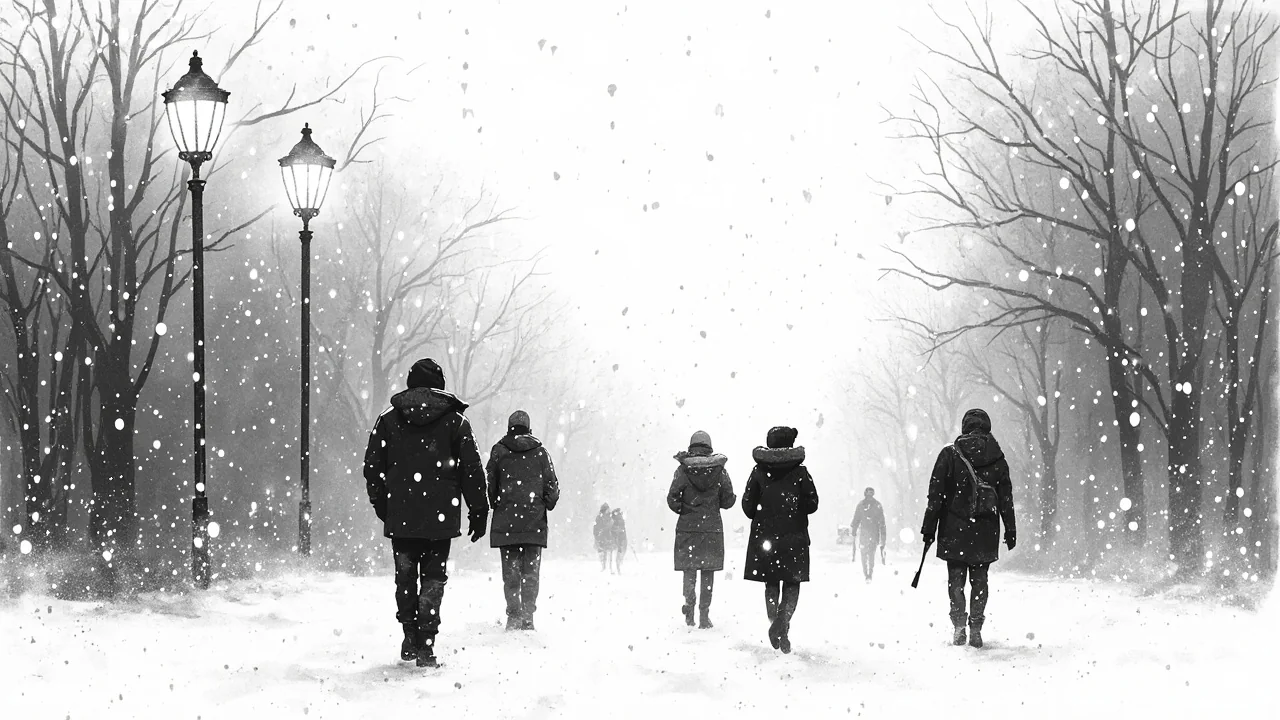
Amidst the harsh warnings, the forecast holds a silver lining for those hoping to experience classic Danish winter scenery. Lindberg points to a narrow window of opportunity on Sunday afternoon. "It is tomorrow afternoon you should go out with your winter clothes and experience the snowy weather, when the wind dies down and the sun comes out over large parts of the country," he advised. This creates a paradoxical day: a morning of severe, potentially dangerous cold followed by an afternoon of calm, sunny, and snowy conditions perfect for a winter walk or play.
This brief interlude is all the more precious because it will not last. The meteorologist's message is clear: enjoy it now. "From Monday comes milder temperatures, still with a risk of snow. But the forecasts say that from Tuesday it will turn more to rain," Lindberg stated. He added a poignant note for winter enthusiasts, "Wednesday will likely bring more rain and temperatures between 2 and 6 degrees, which is sad for the Danes who are happy about the snowy weather."
The Social Rhythm of a Deep Freeze
Extreme weather events like this serve as a snapshot of Danish society and its relationship with nature. The official advice to "go out and enjoy it" reflects a cultural attitude of embracing the seasons, a concept known as "friluftsliv" or open-air life, even when conditions are challenging. It prompts a collective pause. Weekend plans are reconsidered; social gatherings move indoors to the warmth of cafes and well-heated homes. For families, the afternoon sun on fresh snow becomes a scheduled event, a chance to build a snowman or go sledging before the landscape transforms.
These cold spells also test the renowned Danish welfare infrastructure. Municipalities activate cold weather plans, often increasing outreach to homeless citizens through shelters and social services. Energy consumption spikes as heating systems work overtime, a concern for both household budgets and national grid managers. The rapid transition to rain and milder temperatures brings its own set of challenges, including ice formation from melting snow and the risk of localized flooding.
From Arctic Blast to January Thaw
The meteorological explanation for this rollercoaster week is a classic battle of air masses. The intense cold is the result of a stable high-pressure system allowing for clear skies and radiative cooling, where heat escapes into the atmosphere. The winds in the east are a product of the pressure gradient between this cold high and low-pressure systems elsewhere. The forecasted shift to milder, rainy weather by Tuesday indicates a significant shift in the jet stream, allowing warmer Atlantic air to sweep across the country and displace the Arctic air.
This pattern highlights the volatility of Denmark's maritime climate. While not uncommon, such a sharp temperature swing—from nearly -20°C to plus 6°C within 72 hours—is a dramatic example of how quickly weather can change in this part of the world. It underscores the difficulty of long-term forecasting and the importance of daily updates from meteorological services for everything from agriculture and transportation to personal daily planning.
The Cultural Embrace of 'Hyggelig' Cold
There is a distinct Danish coziness, or "hygge," associated with enduring a cold snap. The contrast between the harsh outdoors and a warm, lit interior is fundamental to the winter experience. This weekend, that contrast will be at its peak. The cold becomes a reason to appreciate warmth, to light candles, share a hot drink, and enjoy indoor hobbies. For those venturing out during the sunny afternoon, the reward is a crisp, clean atmosphere and the unique silence that a thick blanket of snow brings to even urban areas.
The meteorologist’s framing—labeling the coming rain as "trist" or sad for snow lovers—personifies the forecast. It aligns public sentiment with the weather map, acknowledging that for many, snow is not an inconvenience but a source of joy and beauty. This communication style helps build public trust and engagement with scientific forecasting, turning a routine weather bulletin into a shared national moment.
Looking Beyond the Weekend
As Denmark prepares for this intense cold, the broader context is a winter that has, until now, been relatively mild for the region. This cold plunge is a reminder of the season's power. The rapid thaw predicted for next week also brings questions about the increasing frequency of such freeze-thaw cycles, which can be damaging to infrastructure, agriculture, and natural ecosystems. While a single event cannot be attributed to broader climate shifts, the intensity of swings is a feature discussed in climate models for Northern Europe.
For now, the focus is on the immediate hours ahead. The advice from experts is straightforward: respect the morning's dangerous cold, prepare adequately with proper clothing if you must go out, and then, if you can, seize the afternoon. Take a walk in the sparkling sunlight, enjoy the rare depth of the snow, and capture the moment. By Tuesday, the sound of dripping water will likely replace the crunch of snow underfoot, and this sharp, beautiful winter interlude will have passed as quickly as it arrived. The Danish winter, in all its harsh and fleeting beauty, demands our attention now, for tomorrow it may simply be a memory and wet pavement.