
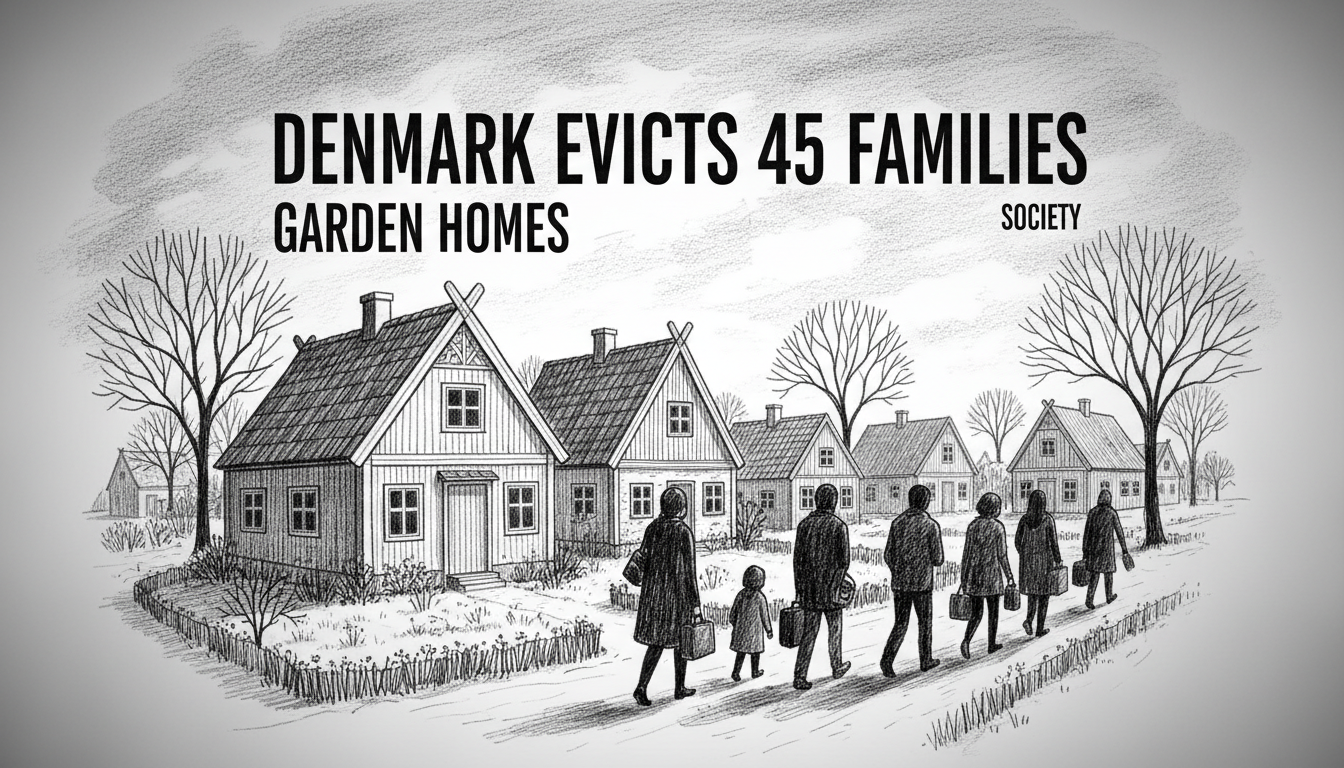
Denmark's coveted allotment gardens have become the unlikely frontline in a housing crisis, as authorities confirm at least 45 families are illegally living in the seasonal structures full-time. The discovery came after a surprise inspection by Odense Municipality, which found lights in windows, cars in driveways, and clear signs of permanent residency. For the residents, including the local association chairman now ordered to demolish his own home, it represents a devastating loss of shelter in a tight housing market.
A Blurred Line Between Retreat and Residence
The concept of the 'kolonihave' is deeply embedded in Danish culture. These small garden plots, often with charming, tiny houses, were established over a century ago to provide urban workers with access to fresh air and a patch of green. Their use is strictly governed by national law and local association rules, which universally mandate they are for seasonal recreation only. Permanent living is illegal, designed to prevent the plots from turning into informal, unregulated settlements lacking proper infrastructure. Odense Municipality's unannounced visit to one contentious garden association confirmed their suspicions, documenting widespread, year-round habitation. 'We saw clear evidence that the rules were being broken,' a municipal spokesperson said. 'This isn't about occasional overnight stays; this is about establishing a primary residence.'
The Human Cost of Enforcement
The order to vacate and demolish homes leaves vulnerable residents in a precarious position. One affected family, who wished to remain anonymous, described their garden house as the only affordable option they could find after years on the waiting list for social housing. 'We knew it was against the rules, but we had nowhere else to go,' the parent said. 'The rent was manageable, and it gave our children a garden to play in.' The chairman of the association faces a particular irony; as the elected leader tasked with upholding the rules, he must now tear down his own home for violating them. This situation highlights the difficult position of municipal enforcers, who must apply the law but are acutely aware of the human consequences. 'Our duty is to ensure fair and legal use of the allotments for all members,' the Odense official noted. 'When some use them as permanent homes, it undermines the system for everyone.'
A Symptom of a Larger Danish Housing Crisis
Urban policy experts argue that the illegal occupation of garden plots is less a story of individual rule-breaking and more a symptom of systemic failures in Denmark's housing market. 'When people resort to living in a summerhouse without proper insulation or sanitation year-round, it's a clear signal that the affordable housing supply is critically insufficient,' said Dr. Karen Mikkelsen, a housing researcher at the University of Southern Denmark. While Denmark is renowned for its strong welfare state and social housing sector, waiting lists in desirable cities can stretch for over a decade. Pressure is particularly intense on low-income families, students, and newcomers to the labor market. Municipalities like Copenhagen and Aarhus also report similar, though less publicized, issues with illegal occupancy in garden associations. Dr. Mikkelsen added, 'Enforcement is necessary, but it doesn't solve the underlying problem. We are simply moving people from one form of housing insecurity to another.'
The Balancing Act for Danish Municipalities
Odense's actions follow a challenging balancing act for local governments across Denmark. They are legally obligated to enforce planning and housing regulations to maintain order, safety, and fairness. Allowing illegal settlements sets a precedent and can lead to unequal application of the law. However, they also bear responsibility for the social welfare of their citizens. Some municipalities have attempted proactive measures, such as creating more transitional housing or working with social services to find alternatives before issuing eviction notices. The scale of the problem in Odense, however, required direct action. The municipality has stated it will work with social services to assist the displaced families, but options remain limited. The incident has sparked a broader debate about whether the historic 'kolonihave' model needs re-evaluation in light of modern housing pressures, though any change to the foundational principle of non-residency would be politically and legally complex.
A Garden Community Divided
The crackdown has created tension within the garden association itself. Some members, who use their plots solely for recreational purposes as intended, support the municipality's action. They argue that permanent residents alter the community's character, increase wear and tear, and create unfair advantages. Other members express sympathy for their neighbors, understanding the economic desperation that led to the violations. This internal conflict mirrors a national conversation about inclusivity, affordability, and the preservation of Danish cultural traditions. The green, peaceful image of the allotment garden is now shadowed by a debate about basic shelter and the limits of the welfare system. As the demolition orders take effect, the empty plots will serve as a stark reminder that Denmark's social contract faces new stresses. The challenge for policymakers is whether they can preserve the cherished 'kolonihave' tradition while honestly addressing the housing needs that are forcing people to break its rules.