
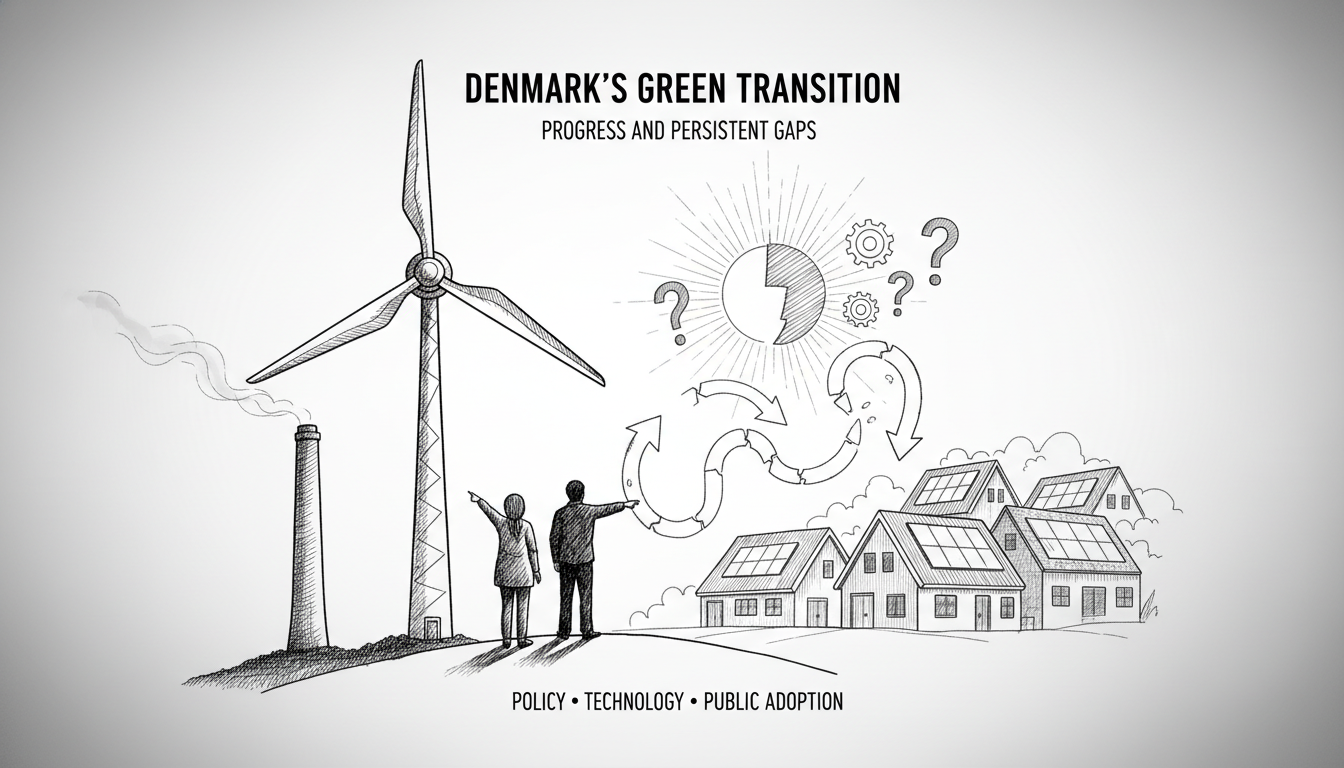
Denmark's ambitious climate goals require a profound societal transformation by the end of this decade. The vision is clear: electricity from wind and solar must power homes, construction machinery must run on electricity, and factory heat must come from sources like heat pumps. According to the Danish Climate Act, an annual status and projection of climate efforts is mandatory to ensure they support the target of a 70 percent reduction in emissions compared to 1990 levels. So where does the nation stand today in this critical journey? A recent analysis provides a concrete snapshot of selected areas crucial for reaching the Danish climate target.
The picture is mixed, revealing both strengths and significant challenges. Denmark has been overtaken by many European countries in solar energy deployment per capita, with installations having stalled. This slowdown presents a clear obstacle. Denmark does, however, maintain a strong position in wind energy due to historical expansion both offshore and on land. The nation remains near the top, just after Sweden and Finland, in this sector.
Looking at fossil fuel consumption, the overall trend is positive. Monthly consumption figures, adjusted for seasonal variations, show a decline. The most encouraging development is that coal consumption is now virtually zero. The number of households using gas has also fallen, though the pace of that decline slowed last year. Analysts suggest this deceleration may be linked to mixed political signals from government parties regarding the energy transition. A dashed black line on official charts represents the target set by the government's energy crisis task force for phasing out private gas consumption by 2035.
This ongoing assessment of Denmark's green transition highlights the complex interplay between policy, market forces, and public adoption. The slowdown in solar expansion, despite Denmark's historical leadership in renewables, points to potential regulatory or incentive barriers that need addressing. The near-elimination of coal is a major victory for Danish environmental policy, demonstrating that targeted phase-outs can work. However, the hesitation in moving households away from natural gas shows how consumer confidence and clear, consistent political messaging are just as critical as technology.
For international observers and those interested in Danish society news, this report underscores a broader truth about the Nordic welfare model's approach to change. The Danish system often relies on consensus and long-term planning, but the energy transition's urgency can clash with this deliberate pace. The data suggests that while the foundational work on wind energy provides a strong base, maintaining momentum and accelerating in areas like solar and residential heating requires renewed focus. The coming years will test whether Danish social policy and its famed welfare system can effectively integrate these technical demands with the human element of change, ensuring the transition is both swift and socially equitable.