
Two major Danish health regions will soon merge into one entity. The capital region and Zealand region will combine to form Eastern Denmark Region. This merger brings together two healthcare systems that developed differently over many years.
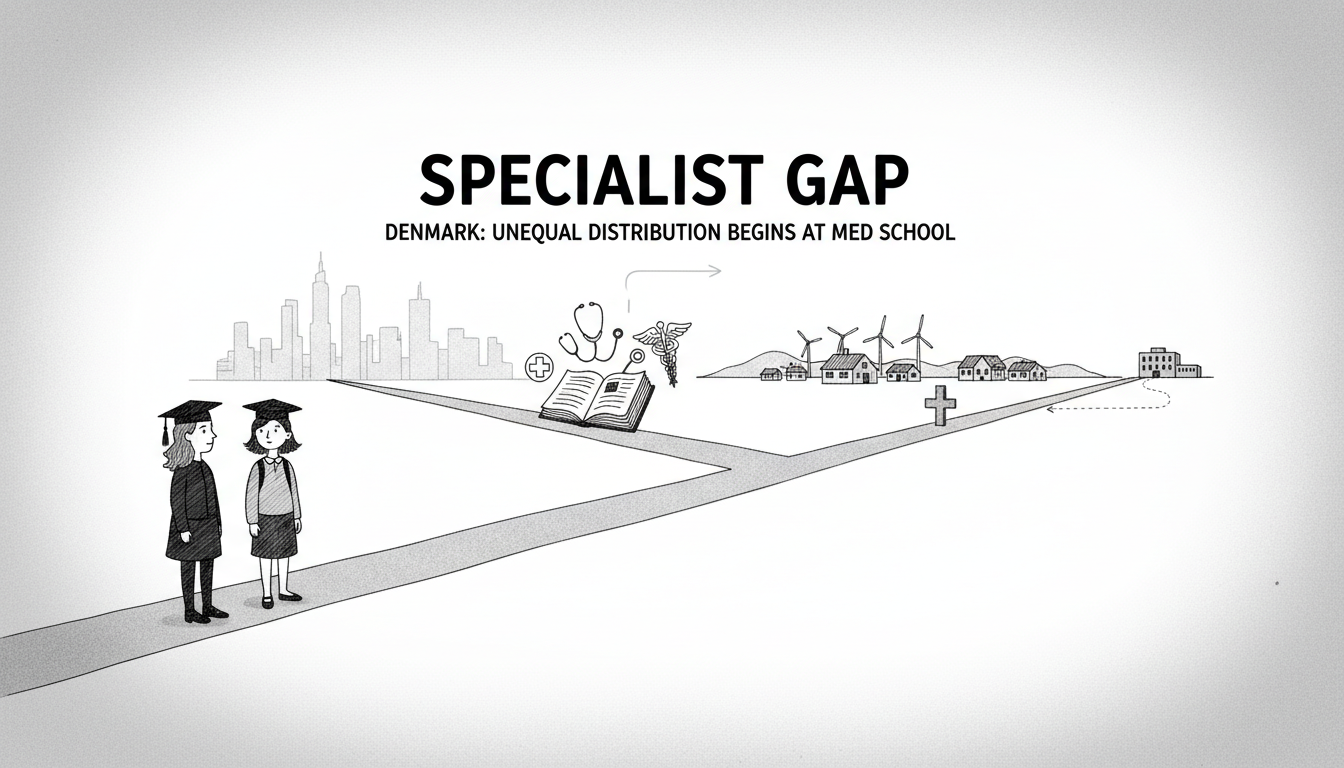
The capital area has an abundance of medical students and younger doctors. It also contains more medical specialists than other regions. This unequal distribution does not happen by chance. The pattern begins on the first day of medical school.
Medical students often establish professional networks during their education. They form connections with hospitals and clinics near their universities. These early relationships frequently determine where doctors choose to practice later. The concentration of medical schools in Copenhagen creates a natural advantage for the capital region.
Denmark's healthcare system operates through five administrative regions. Each region manages hospitals and primary care within its territory. The upcoming merger represents one of the largest healthcare reorganizations in recent Danish history. It aims to create more equal healthcare access across eastern Denmark.
Medical education in Denmark follows a six-year university program. Students then complete a one-year clinical training period. After this foundation, doctors can apply for specialist training positions. These specialist positions remain limited and competitive.
The geographic imbalance affects patient care directly. Rural areas and smaller cities experience longer waiting times. Patients sometimes travel hours to reach specialized medical care. The merger attempts to address these regional disparities through better resource coordination.
International readers should understand Denmark's universal healthcare model. All residents receive tax-funded medical care. The system generally provides high-quality services. Yet regional variations in specialist availability create access challenges.
The healthcare merger presents both opportunities and difficulties. Combining resources could improve efficiency and patient outcomes. But integrating different organizational cultures requires careful management. Medical professionals express concerns about the transition process.
What does this mean for medical students choosing their careers? Early career decisions have long-term consequences for both doctors and healthcare systems. Students who train in Copenhagen often remain there for specialist positions. This perpetuates the concentration of medical expertise in the capital.
The situation reflects broader patterns in Nordic countries. Urban areas attract young professionals while rural regions face workforce shortages. Similar challenges exist in Sweden and Norway's healthcare systems. The Danish approach could provide lessons for other nations facing regional disparities.
The success of the merger will depend on careful workforce planning. Health authorities must create incentives for specialists to work outside major cities. They need to distribute training positions more evenly across regions. Medical schools could also adjust admission policies to attract students from diverse geographic backgrounds.
This healthcare reorganization comes at a challenging time. Denmark, like other European countries, faces rising healthcare demands from aging populations. The country needs more medical specialists in coming years. How it distributes these specialists will determine healthcare quality for all citizens.