
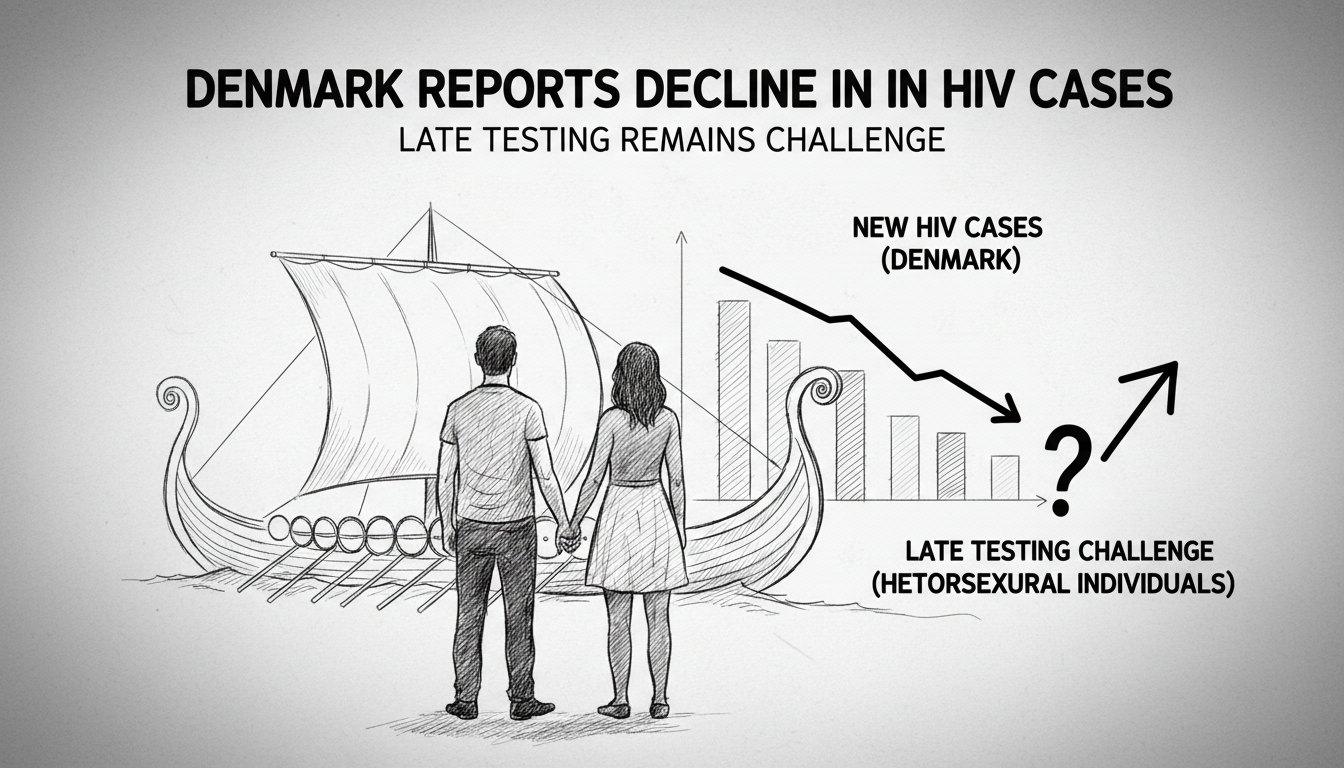
Denmark's public health landscape shows a positive trend with new HIV diagnoses continuing their steady decline. The latest national data reveals a significant drop in cases, particularly among men who have sex with men, where numbers have reached their lowest point in over three decades. This success story is tempered by a persistent public health challenge, as many individuals, especially those infected through heterosexual contact, are still being diagnosed at a late stage of infection. The data underscores the dual nature of progress within the Danish welfare system, where medical advances achieve remarkable results while certain social and behavioral hurdles remain.
Public health officials attribute the overall decline to effective early treatment strategies and targeted medical interventions. 'This shows the effect of early treatment and a targeted medical effort,' stated Maria Wessman, a senior physician and section head at the national health institute. Her analysis points directly to the strengths of Denmark's integrated healthcare approach, which provides universal access to testing and antiretroviral therapy. This policy framework is a cornerstone of the country's social safety net, ensuring that medical outcomes are not solely determined by personal economic status.
Despite the encouraging trend, a concerning pattern of late diagnosis persists. Three out of every four individuals who contracted HIV through heterosexual contact were tested late, according to the report. Across all new diagnoses, sixty percent of people were in this late-testing category. A late diagnosis is defined by a low CD4 cell count or the presence of an AIDS-defining illness at the time of diagnosis. 'It is a challenge both for the individual and for infection prevention,' Wessman noted in the official statement. This delay complicates personal treatment and increases the potential for unintended transmission, presenting a clear target for future public health campaigns.
This situation reveals a nuanced picture of integration and public health communication in Copenhagen and other urban centers. The data suggests that prevention and testing messages may not be reaching all communities with equal effectiveness. Community health centers and municipal services, which are frontline institutions in Danish social policy, play a critical role in bridging this gap. Their work in non-stigmatizing outreach and accessible testing is vital for reaching populations that might not engage with traditional healthcare channels. The success with one demographic group demonstrates what is possible, while the lag in another highlights where focused efforts are still needed.
The broader context of Denmark immigration policy and social integration indirectly intersects with this health data. Ensuring that all residents, regardless of background or duration of stay, have clear pathways to understanding and accessing the healthcare system is a perpetual task. The Danish model relies on high levels of public trust and health literacy. When late diagnoses cluster in specific groups, it prompts questions about whether information barriers or cultural factors are preventing people from seeking timely care. It is a reminder that even the most robust welfare systems must constantly adapt their outreach to meet the needs of a changing society.
Looking forward, the continued decline in HIV cases is a testament to decades of sustained public investment and de-stigmatization efforts. The next phase of this public health journey will require a refined focus on the groups currently being left behind. This means tailoring communication strategies and making testing even more routine and accessible in general practice settings and social centers across Danish municipalities. The goal is clear, to extend the remarkable progress seen in one part of the population to all who call Denmark home, ensuring the benefits of the system are universally realized.