
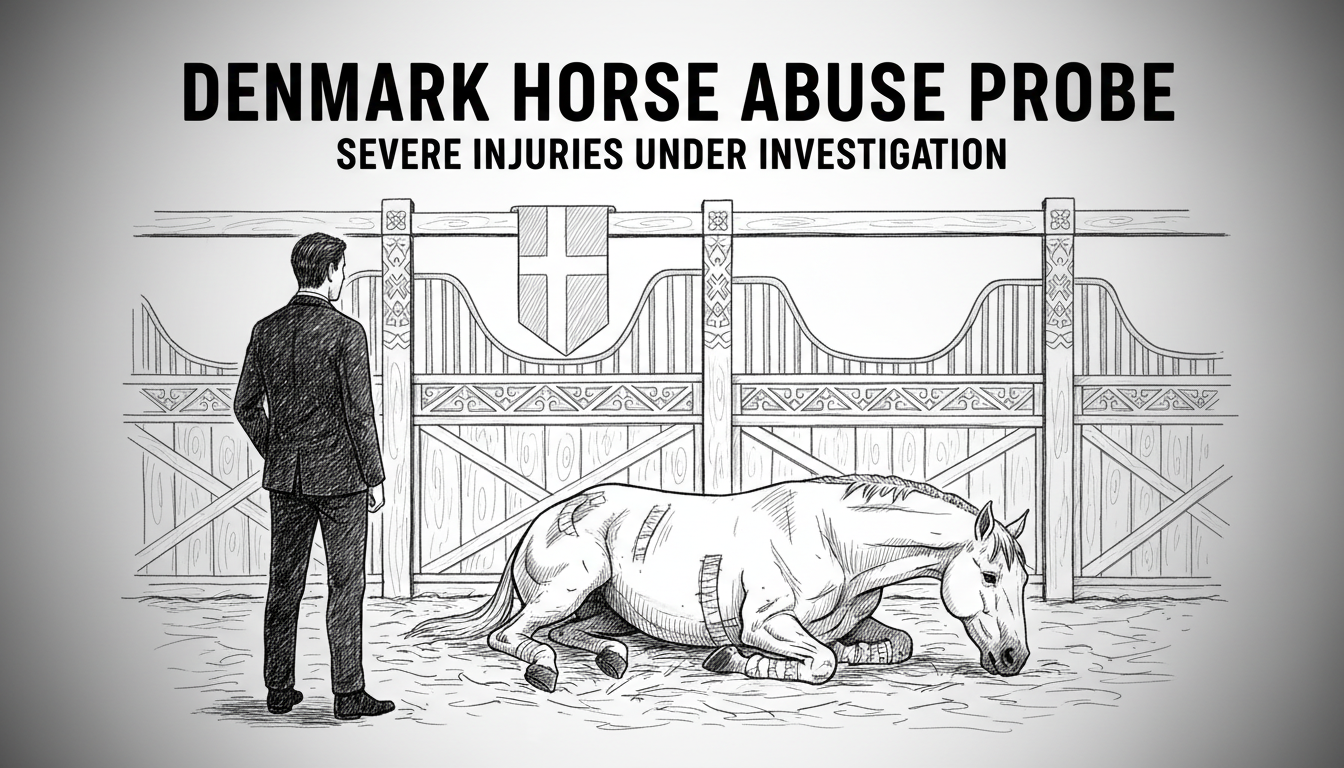
Denmark's animal welfare system, which handles over 40,000 concern calls annually, is under scrutiny after a horse was found with severe injuries and heavy bleeding. Mid and West Zealand Police launched an investigation Sunday morning when the report came in at 09:32. A veterinarian and the police's animal welfare unit were dispatched to examine the animal, while officers searched the area with dogs for clues. This grim discovery in the Danish countryside has sparked public outrage and renewed debate on animal protection laws.
The Grisly Discovery in Rural Zealand
Local authorities received the alert shortly after dawn on Sunday. The horse was found in a distressing state, prompting immediate concern from both law enforcement and animal professionals. Police have not disclosed the exact location to protect the investigation, but they confirmed the incident occurred in their jurisdiction. Such cases are rare but deeply felt in a nation where 85% of citizens prioritize animal welfare. The scene was secured as experts worked to assess the horse's condition and gather evidence.
Animal welfare officers from the police force documented the injuries alongside the attending veterinarian. Their initial focus was on stabilizing the animal and determining the cause of its wounds. Whether from intentional harm or a tragic accident remains unclear. Investigators are piecing together the timeline, appealing for witnesses who noticed suspicious activity in the area. Public cooperation is often crucial in these inquiries, highlighting community role in safeguarding animals.
Investigation and Immediate Response
Mid and West Zealand Police have dedicated resources to this case, reflecting the seriousness with which Denmark treats potential animal cruelty. The involvement of specialized animal welfare personnel underscores a structured approach within Danish law enforcement. These officers are trained to handle such incidents, ensuring proper protocols are followed from the scene to possible legal action. Police are reviewing nearby surveillance footage and conducting interviews, though no suspects have been named yet.
The Danish Animal Welfare Act, known as Dyreværnsloven, provides a legal framework for prosecution in abuse cases. Violations can lead to fines or imprisonment, depending on severity. This law mandates that all animals receive care and protection from unnecessary suffering. Authorities will assess if this incident breaches those statutes, which could set a precedent for future enforcement. The case has already drawn attention from national animal rights organizations monitoring developments.
Animal Welfare in Danish Society
Denmark boasts strong animal welfare traditions, yet incidents like this reveal persistent challenges. The Danish Animal Welfare Society, Dyrenes Beskyttelse, fields thousands of reports each year, indicating vigilant public engagement. Their data shows that most cases involve neglect rather than active cruelty, making this horse's injuries particularly alarming. Social media reactions have been swift, with many Danes expressing anger and demanding justice. This public sentiment often pressures authorities to act decisively.
Municipalities across Denmark run social centers and outreach programs to promote responsible ownership. Education campaigns focus on proper care for livestock and pets alike. However, rural areas sometimes face resource gaps in monitoring animal well-being. The national survey revealing 85% public support for animal welfare issues suggests a societal consensus on protection. Yet translating that consensus into prevention requires continuous effort from law enforcement, communities, and nonprofits.
Expert Insights on Prevention and Justice
Animal welfare experts stress the importance of thorough investigations in cases of suspected abuse. "When an animal is found with traumatic injuries, every detail matters," said a representative from a leading Danish animal protection group. They emphasized that determining intent is key for legal outcomes and preventive measures. Experts also note the psychological impact on communities when such events occur, eroding trust and sense of safety. Raising awareness about reporting mechanisms can help intercept abuse before it escalates.
The police's use of dogs to search for traces demonstrates methodical evidence collection. This approach aligns with best practices for crime scenes involving animals. Veterinary forensics can reveal whether injuries were inflicted by humans or resulted from other causes. The findings will inform whether charges are filed under the Animal Welfare Act. Past cases have seen convictions for cruelty, reflecting Denmark's commitment to upholding these laws. Public vigilance remains a critical component, as early reports can save lives.
Broader Implications for Policy and Community
This incident arrives amid ongoing discussions about strengthening Denmark's animal welfare framework. Some advocates call for harsher penalties and more frequent inspections, especially in agricultural settings. Others point to the need for better support systems for animal owners facing difficulties. The Danish welfare model, renowned for human social services, also extends to animals through dedicated agencies and public funding. Balancing enforcement with education is a persistent theme in policy debates.
Local social centers in regions like Zealand often serve as hubs for animal welfare information. They connect residents with resources for care and reporting concerns. Community leaders underscore that collective responsibility is essential for prevention. "We must look out for each other and the animals in our midst," said a Copenhagen-based integration activist, drawing parallels to broader social policy values. This case reminds Danes that protection systems require active participation from all citizens.
Moving Forward from Tragedy
As police continue their investigation, the horse's condition has not been publicly updated, leaving many awaiting answers. The outcome could influence public perception of animal welfare enforcement in Denmark. Will this case lead to stricter monitoring or heightened community initiatives? Danish society often responds to such events with reflective action, aiming to improve systems for future protection. The search for justice in this case may well shape ongoing dialogues about cruelty prevention.
Animal abuse cases, while statistically less common in Denmark than neglect, resonate deeply due to their violent nature. They test the resilience of legal and social structures designed to protect the vulnerable. For now, authorities urge anyone with information to come forward, hoping that public engagement will bring clarity. This story underscores a universal truth: how a society treats its animals reflects its core values, prompting Denmark to reaffirm its commitment to welfare for all beings.