
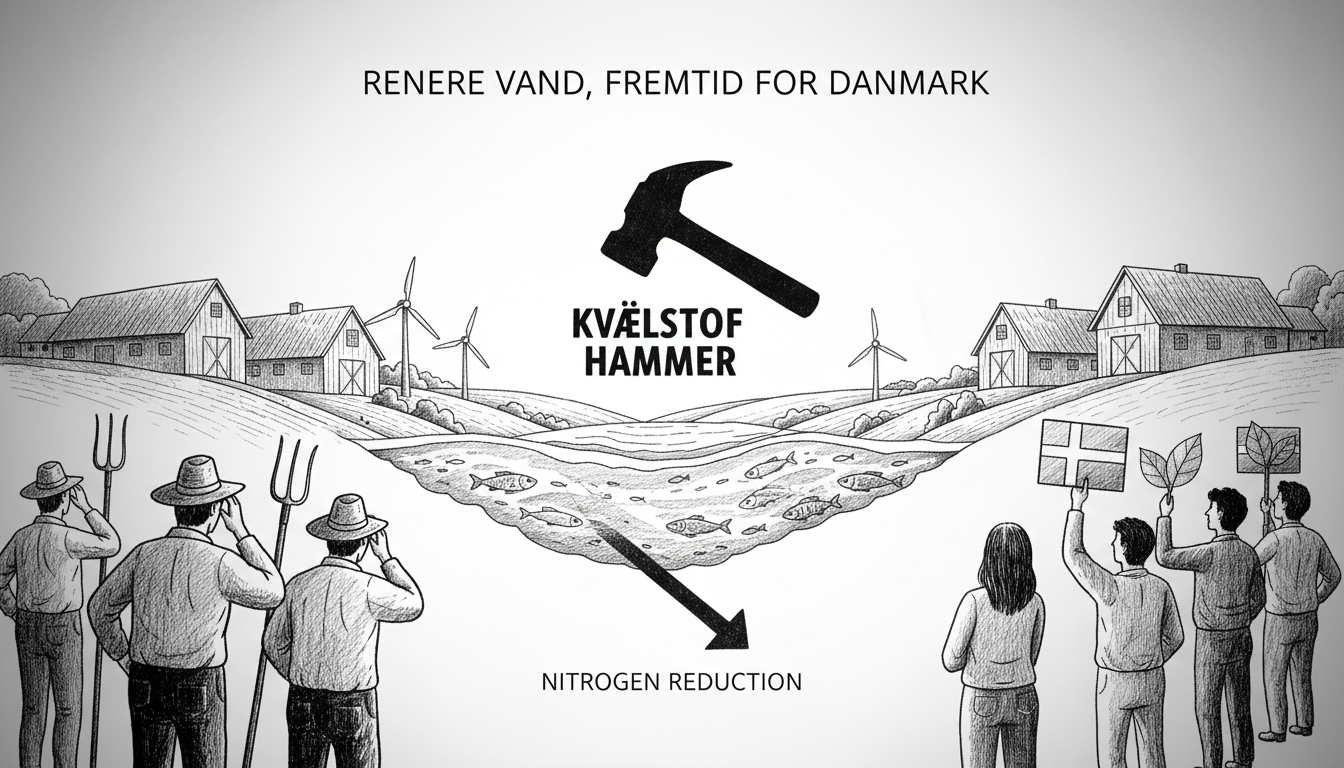
Danish authorities have finally presented a long-awaited agreement on agricultural nitrogen regulation. The deal sets a strict cap on how much nitrogen the farming sector may discharge into the environment. This policy aims to create a better water environment across Denmark. The nation's waters have suffered from oxygen depletion largely due to agricultural runoff. The agreement, presented at the Ministry for Green Tripartite, represents a critical environmental milestone. It is also a pivotal moment for Danish society news and the ongoing debate around balancing economic interests with ecological sustainability.
Officials called the deal a 'wildly important step for the marine environment' in a statement. The so-called 'nitrogen hammer' introduces a new regulatory model that is, on one key point, stricter than initially anticipated. This reflects growing political and public pressure to address water quality. The policy directly connects to broader themes of Copenhagen integration and Denmark social policy, where environmental standards are increasingly linked to community health and livability.
For international observers, this move highlights the complex machinery of the Danish welfare system. Environmental protection is not seen as separate from social welfare but integral to it. Clean water is a public good, and its management falls under the purview of municipal and national authorities. The decision will have tangible impacts on farmers, requiring changes to practices and potentially affecting livelihoods. This creates a classic Danish policy tension between collective environmental benefits and individual economic costs.
Historical context is crucial here. Denmark has a long history of agricultural nitrogen pollution affecting its coastal waters. Past measures have had mixed success. The new, stricter cap signals a more assertive phase in environmental regulation. It follows increased documentation of the damage caused by nutrient overload. The policy will be implemented in coordination with Danish municipalities, which are often on the front lines of environmental monitoring and local compliance.
What does this mean for the future? The agreement is a framework, and its success will depend on enforcement and technological adaptation within the agricultural sector. It may also influence Denmark immigration policy indirectly, as environmental quality and sustainability become larger factors in Denmark's international reputation and appeal. The real test will be in the measurable improvement of Denmark's waterways in the coming years. This is not just an environmental rule but a statement of societal priorities.