
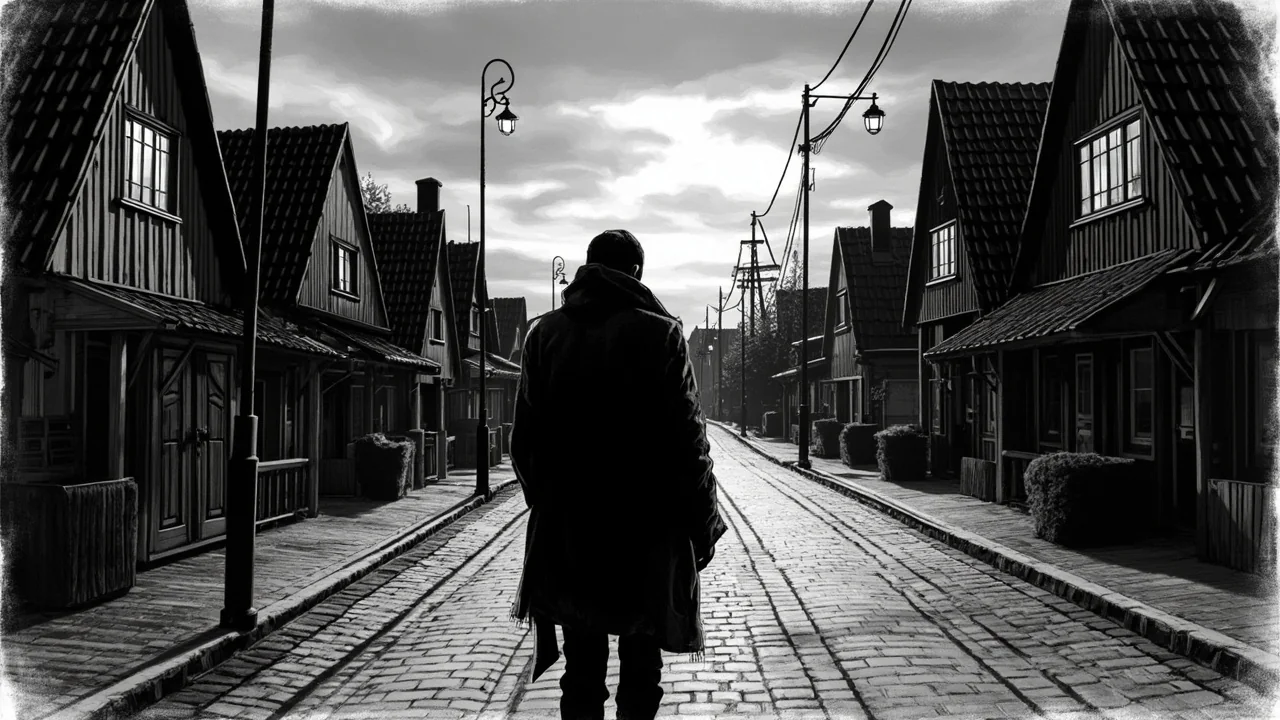
Denmark's northern Jutland town of Sæby woke to a powerless Sunday morning, joining residents in several surrounding areas affected by a widespread electricity failure. The unexpected blackout, reported by numerous citizens to local media, plunged homes into a cold silence on a winter morning, highlighting the fragility of modern infrastructure. Utility company Elinord, which supplies power to Sæby, Strandby, Frederikshavn and the surrounding region, confirmed the outage but stated the cause was currently unknown. The company's website indicated teams were working to restore the connection, as social media reports detailed disruptions from Lendum and Sydbyen in Frederikshavn to Dronninglund and the island of Læsø.
Residents faced a sudden return to basics, with heating systems falling silent, refrigerators shutting down, and digital connectivity severed. The incident, while localized, serves as a stark reminder of society's deep dependence on a constant energy flow. For a few hours, the rhythm of a Danish Sunday—typically marked by leisurely breakfasts, family gatherings, and cozy indoor activities—was fundamentally disrupted. This kind of event, though often temporary, forces a community to confront its vulnerabilities and the seamless systems usually taken for granted.
The Immediate Impact on a Quiet Morning
The power cut transformed a routine morning into a scenario of minor crisis management. Without electricity, modern homes quickly lose their primary source of heat, hot water, and light. For elderly or vulnerable residents, the loss of heating on a cold day poses a direct health risk, while the inability to cook or access information via the internet creates instant logistical challenges. Local reports suggested power was restored in several affected areas, including parts of Frederikshavn and Læsø, but the core outage in Sæby persisted, creating a patchwork of haves and have-nots across the municipality.
Such disruptions test the community's resilience and the official response protocols. In Denmark, municipalities and utility companies have contingency plans for these events, but the speed and clarity of communication are paramount. Elinord’s public statement, acknowledging the problem while investigating the cause, represents the standard first step. The real-time reporting from citizens on social media platforms also played a crucial role in mapping the outage's extent, demonstrating how digital tools can fill information gaps even when the power itself is gone.
Infrastructure Reliability in the Danish Welfare Model
This outage, however brief, invites a deeper look at the infrastructure underpinning Denmark's renowned welfare society. The Danish social contract is built on reliability—the unwavering expectation that the state, through its regulated private partners, will deliver essential services. Electricity is the most fundamental of these services, the invisible current powering everything from hospitals and traffic lights to home care and remote work. A failure, even in a single town, momentarily fractures that trust and exposes the complex, interconnected grid we all rely upon.
Denmark boasts one of the world's most stable and green energy systems, with a high share of wind power and extensive cross-border connections. Yet, local distribution networks, managed by companies like Elinord, remain susceptible to technical faults, extreme weather, or accidental damage. The incident in North Jutland underscores that the energy transition's success isn't just about generating clean power but also about maintaining and modernizing the distribution grid to ensure resilience. For citizens, the promise of a green future must include an equally strong promise of unwavering reliability.
Community Response and Social Cohesion
Events like Sunday's blackout often reveal the strength of local social bonds. In the absence of central heating, neighbors check on one another. Information is shared person-to-person when digital channels fail. The shared experience of inconvenience, while not a tragedy, can foster a momentary sense of collective fate. In integration terms, such common challenges can temporarily level the playing field, as long-established Danes and newer residents alike grapple with the same practical problems, from a cold coffee to a dark staircase.
This mirrors a broader aspect of Danish social policy, which emphasizes communal solutions and a high degree of social trust. The expectation is that systems will be restored promptly and that no one will be left dangerously exposed. Municipal social services typically have protocols to contact vulnerable citizens during prolonged outages, a safety net woven into the welfare system. The incident tests these protocols on a small scale, serving as an unplanned drill for both service providers and the community.
The Path to Restoration and Lessons Learned
As Elinord crews worked to diagnose and fix the fault, the waiting period offered a forced pause. The gradual restoration of power to different areas would have been met with palpable relief, a quiet celebration as humming appliances and glowing lights signaled a return to normalcy. For the utility company, the post-mortem will involve analyzing the fault's root cause—whether it was equipment failure, an external incident, or a grid management issue—and assessing the response time.
For the affected municipalities, it may prompt reviews of emergency communication channels, especially for reaching those not active on social media. It also highlights the ongoing need for public awareness about basic preparedness, such as having a battery-powered radio, backup light sources, and essential supplies on hand. In a highly digitalized society like Denmark's, even a short-term power loss can cause significant disruption, suggesting that individual preparedness remains a valuable complement to robust public infrastructure.
A Modern Paradox of Interdependence
The Sæby power outage ultimately presents a modern paradox. Our societies are engineered for incredible resilience and efficiency, yet this complexity creates new points of potential failure. We are less vulnerable to the elements than ever before, yet more vulnerable to the sudden absence of the systems that protect us from them. A cold morning in North Jutland, without power, is a tangible experience of this fragility. It reminds us that the smooth functioning of daily life is an achievement, not a given, maintained by a vast and mostly unnoticed network of technology and human effort.
The lights will come back on in Sæby, and the Sunday routine will resume. But the event leaves behind a quiet question: as we build a more sustainable and connected future, how do we ensure that the fundamental systems supporting our societies become not just smarter, but also more resilient? The answer lies in continued investment, vigilant maintenance, and the kind of community awareness that turns an inconvenient morning into a lesson for the future.