
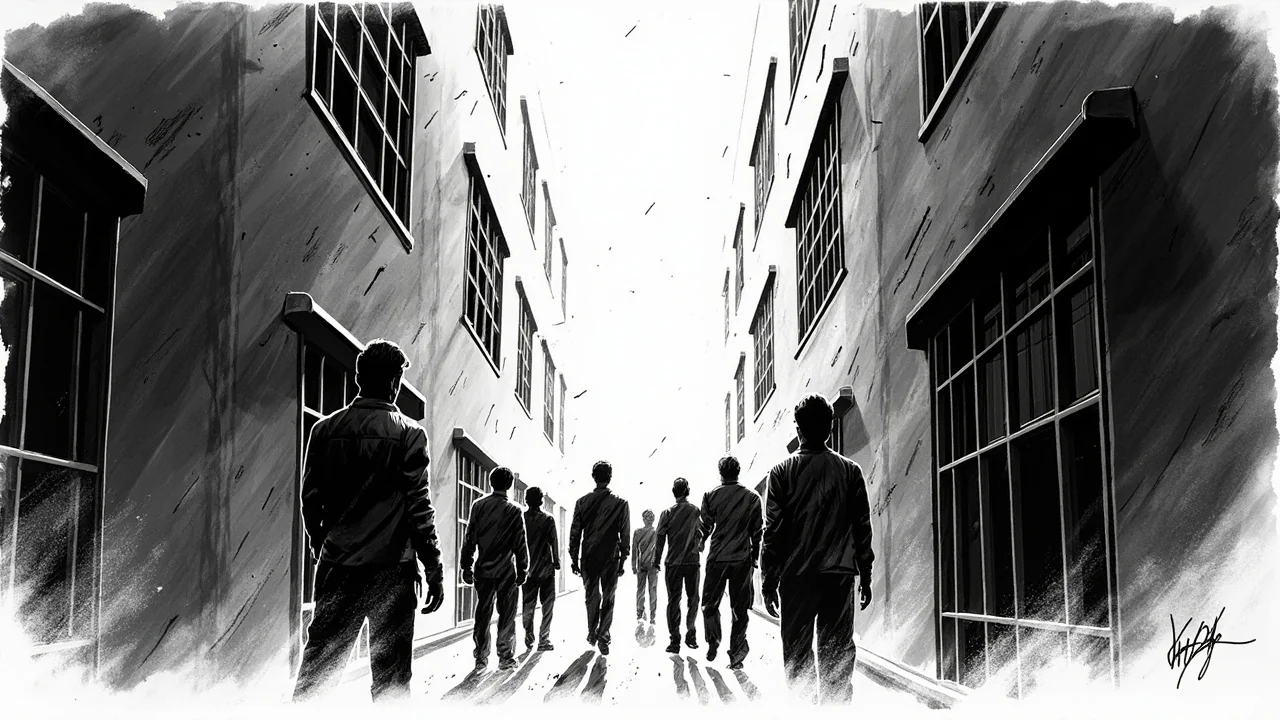
Denmark's prison service confirmed a death at Kragskovhede Fængsel on Friday, launching a police investigation into the circumstances. The Prison and Probation Service, known as Danmarks Fængsler, stated in an email that an inmate died while serving their sentence. They cited confidentiality rules as preventing disclosure of specific details surrounding the death. Police were routinely called to the scene, which is standard procedure for any death in custody. The incident is now under closer examination by both police and the prison service's own internal investigators. It will also be reported to the Parliamentary Ombudsman, following established regulations for such serious events. The prison service added that conversations are being held with affected inmates and staff members to address the immediate impact.
This death occurs within a Danish correctional system that has faced scrutiny over inmate welfare and suicide prevention measures in recent years. While the specific cause of death remains unconfirmed, any fatality behind bars triggers a mandatory multi-agency review. The involvement of the Parliamentary Ombudsman, which acts as an independent watchdog for public administration, is a critical safeguard. Their role is to assess whether correct procedures were followed and to identify any potential systemic failures. For the other inmates and staff at Kragskovhede, located in central Jutland, the event creates a difficult and traumatic environment that requires careful psychological support.
A System Under Scrutiny
The Danish prison system operates under principles of normalization and rehabilitation, but inmate deaths present a profound challenge to those ideals. Every death in custody is a tragedy that reverberates through the prison community and raises urgent questions about duty of care. National statistics on prison mortality are not routinely published in a consolidated format, making broader trends difficult for the public to assess. However, each case that reaches the Ombudsman contributes to an ongoing evaluation of prison conditions and safety protocols. The ombudsman's investigations have previously highlighted issues with cell design, staff training for mental health crises, and monitoring procedures for vulnerable inmates. Their subsequent recommendations have led to concrete policy changes, demonstrating the importance of this independent oversight mechanism.
Without details on the cause, it is impossible to say whether this case points to failures in healthcare, security, or suicide prevention. What is clear is the rigorous procedural response mandated by law. The dual investigation by police and the prison service aims to establish facts while ensuring accountability. Speaking with affected individuals is a necessary first step in managing the crisis within the institution's walls. These conversations serve both a supportive function for those in shock and an investigative purpose to gather immediate testimonies. The process underscores the complex reality that prisons are not just facilities for punishment but also communities where people live and work, and where trauma must be managed.
The Human Impact Behind the Headline
Behind the official statements and procedural protocols are human stories of profound loss. A family has lost a loved one, regardless of the circumstances that led to their incarceration. Fellow inmates, who live in close proximity, must grapple with mortality and their own vulnerability within the system. Prison staff, whose roles balance security with human engagement, face the emotional weight of a death on their watch. This human impact is the core of the story that official reports often struggle to capture. The promise of rehabilitation, a cornerstone of Danish penal philosophy, is starkly contrasted by the finality of a death sentence served not by the courts, but by fate within a prison cell.
My reporting on Danish society often focuses on integration and social policy, where prevention and support systems are key. A death in prison represents a catastrophic failure at the furthest end of that spectrum. It forces us to ask whether enough is done to identify and support the most vulnerable individuals before they reach crisis point, both in society at large and within the prison population itself. The welfare model is tested most severely in closed institutions like prisons. The quality of that model is judged not when things go smoothly, but when they go terribly wrong. The response now must be thorough, transparent to the extent possible, and ultimately focused on preventing the next tragedy.
The Path Forward for Accountability
The investigation's findings, particularly those from the Parliamentary Ombudsman, will be crucial for public accountability. While the prison service is bound by confidentiality regarding the individual, the ombudsman's report will eventually provide a sanitized analysis of systemic function or failure. Past ombudsman reports on prison deaths have led to tangible changes, such as improved cell alarm systems, revised protocols for checking on inmates, and enhanced training for staff in mental health first aid. These are not merely bureaucratic adjustments; they are measures that can save lives. The public has a right to know that systems are in place to learn from every tragedy, even as the specific privacy of the deceased and their family is respected.
The coming weeks will involve meticulous evidence gathering. Police will determine if any criminal act occurred, while internal investigators will examine adherence to all operational guidelines. This death at Kragskovhede Fængsel is now a data point in Denmark's ongoing effort to balance security with humanity in its justice system. The true test of the system's integrity lies not in the occurrence of an isolated tragedy, which can never be fully eliminated, but in the rigor and honesty of the response. Will the findings lead to meaningful change? That is the question that hangs over this investigation, as a community within prison walls mourns and a family outside them seeks answers that may never fully soothe their grief. The promise of Danish welfare and justice must extend to its most hidden corners, especially when the lights go out.