
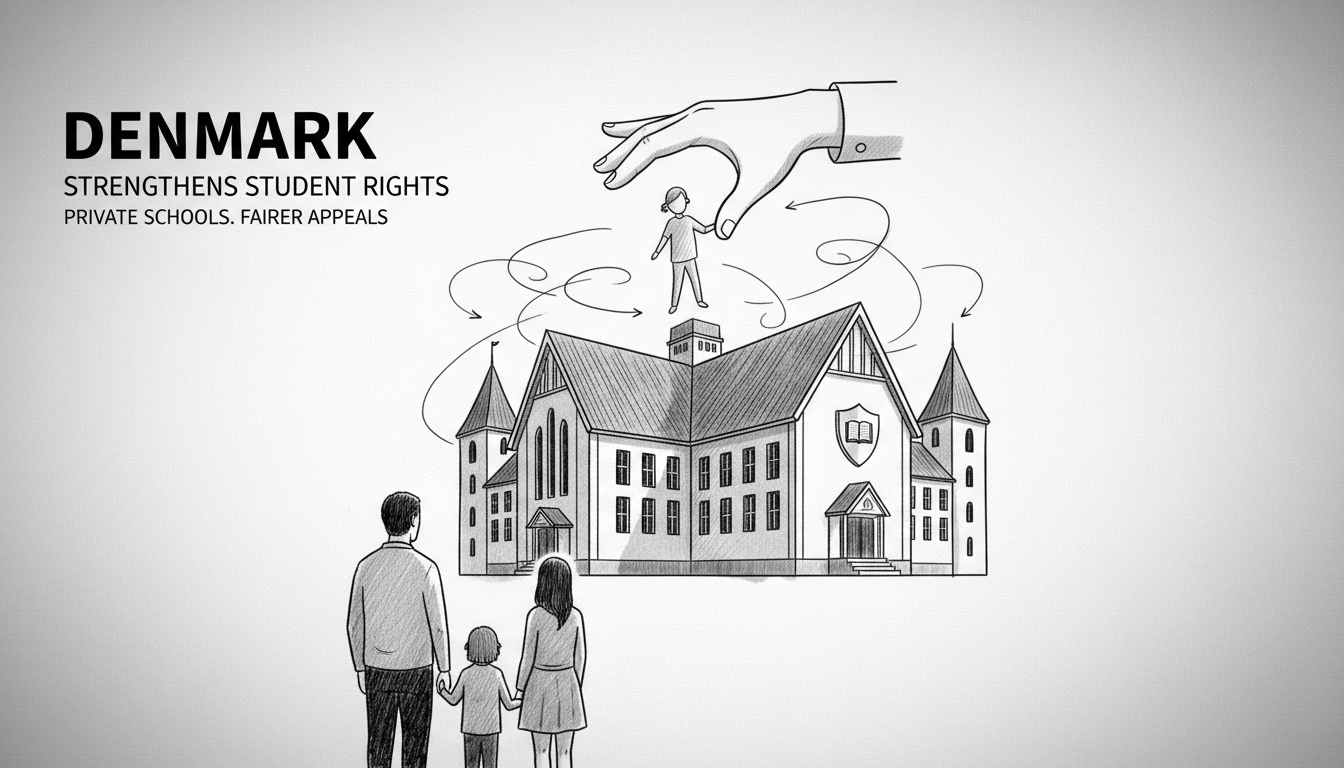
The Danish government plans to make it harder for private schools to expel students. This marks a major shift in education policy. Private schools in Denmark have traditionally enjoyed broad authority to remove students. Parents have often found themselves with limited recourse when their children face expulsion.
Education Minister Mattias Tesfaye announced the proposed changes. He said the current system creates too much uncertainty for families. The reforms aim to balance school autonomy with student protections.
Denmark's private school system, known as 'frie skoler,' serves approximately 18% of Danish students. These institutions receive substantial public funding while operating independently. The upcoming legislation would establish clearer expulsion procedures and stronger appeal mechanisms for families.
This policy change reflects broader European trends toward strengthening student rights. Several Nordic countries have recently updated their education laws to provide better protections. The Danish debate has intensified following several high-profile expulsion cases that drew public attention.
International families in Denmark should note these developments. The changes could affect how private schools handle disciplinary matters. Expatriate parents often choose private schools for their international curricula or language programs.
Private school associations have expressed mixed reactions to the proposal. Some leaders worry about increased administrative burdens. Others acknowledge the need for more transparent procedures.
The government expects to present detailed legislation during the third quarter. Parliamentary debate will likely focus on finding the right balance between school autonomy and student protections. The outcome could influence similar discussions in other Nordic countries.
What does this mean for Danish education? The reforms signal a recognition that student stability matters. Frequent school changes can disrupt learning and social development. The changes also acknowledge parents' concerns about fairness in disciplinary processes.
Danish education policy continues to evolve. This proposal represents another step in refining the relationship between publicly funded institutions and individual rights. The final legislation will need to satisfy multiple stakeholders while maintaining educational quality.