
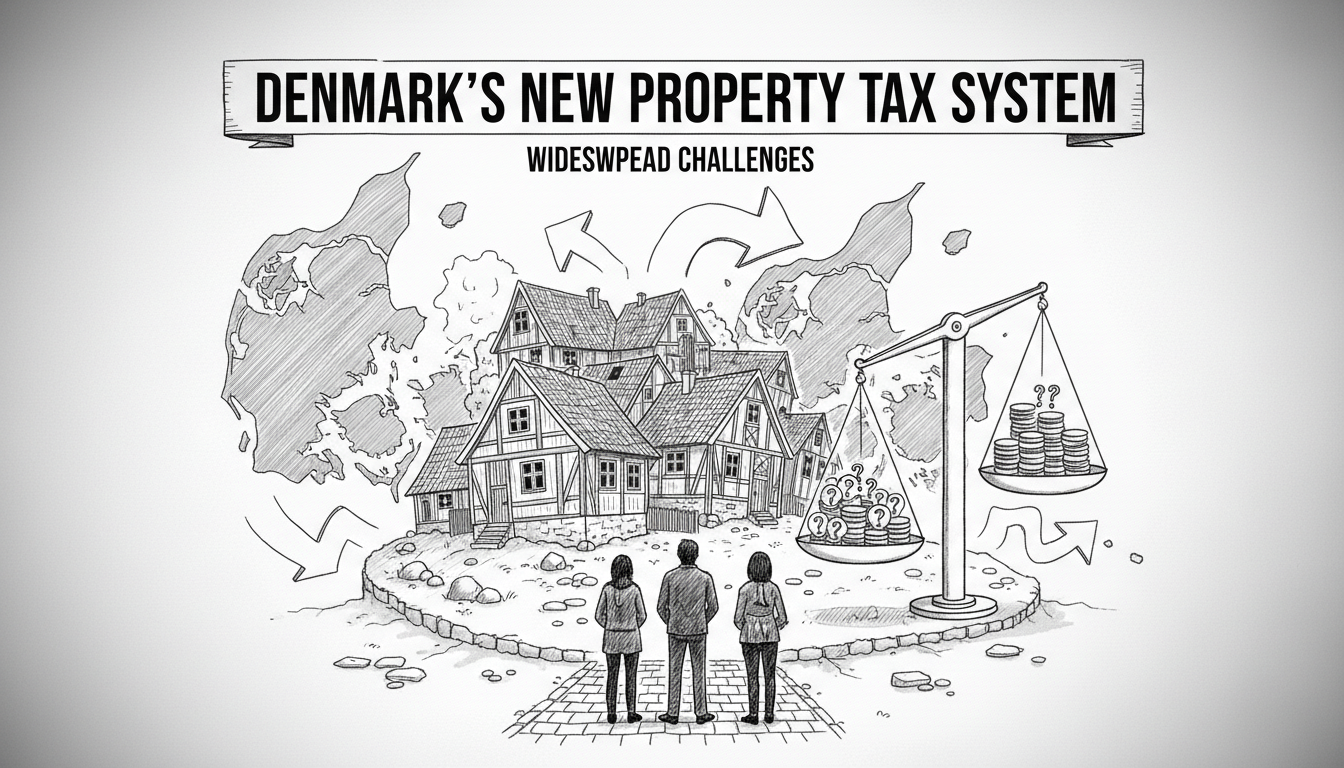
Danish homeowners face unexpected complications under the nation's recently implemented property tax system. The complete overhaul of valuation methods has created numerous practical difficulties across Copenhagen and other municipalities. Many residents report property assessments that appear inconsistent with market realities.
This situation affects both Danish citizens and international residents navigating the country's welfare system. The new valuation approach considers factors like location and property size differently than previous methods. Municipal authorities acknowledge receiving numerous inquiries about assessment discrepancies.
Integration specialists note that housing costs significantly impact newcomer settlement patterns. Unpredictable tax burdens could influence where immigrants choose to establish homes in Denmark. Community centers report increased questions about property tax implications for family budgets.
A Copenhagen integration advisor explained the broader significance. 'Stable housing costs form the foundation for successful integration,' they said in a statement. 'When property taxes become unpredictable, it affects people's ability to plan their futures in Denmark.'
The Danish welfare system traditionally relies on predictable taxation to fund social services. Current property tax uncertainties could have ripple effects on municipal budgeting. Local governments depend on accurate revenue projections to maintain social programs and integration initiatives.
Education statistics show that housing stability correlates with immigrant children's academic performance. Fluctuating property taxes may indirectly affect educational outcomes in diverse neighborhoods. Schools in areas with significant immigrant populations monitor these economic factors closely.
Danish immigration policy increasingly focuses on creating stable conditions for newcomers. The property tax situation represents an unexpected challenge to this goal. Government officials face pressure to address assessment inconsistencies before they impact Denmark's reputation for social stability.
Social policy experts observe that tax system reliability remains crucial for maintaining public trust. The current property valuation issues test this principle directly. Many homeowners await clarification about whether their assessments will be reviewed.
The situation demonstrates how technical tax changes can influence broader social dynamics. Denmark's approach to resolving these property valuation questions will reveal much about its governance priorities. The outcome could affect housing markets and community development patterns for years.
Municipal social centers now field questions about property taxes alongside traditional integration services. This expansion of concerns shows how tax policy intersects with daily life for all residents. The connection between housing costs and social cohesion becomes clearer through such practical challenges.