
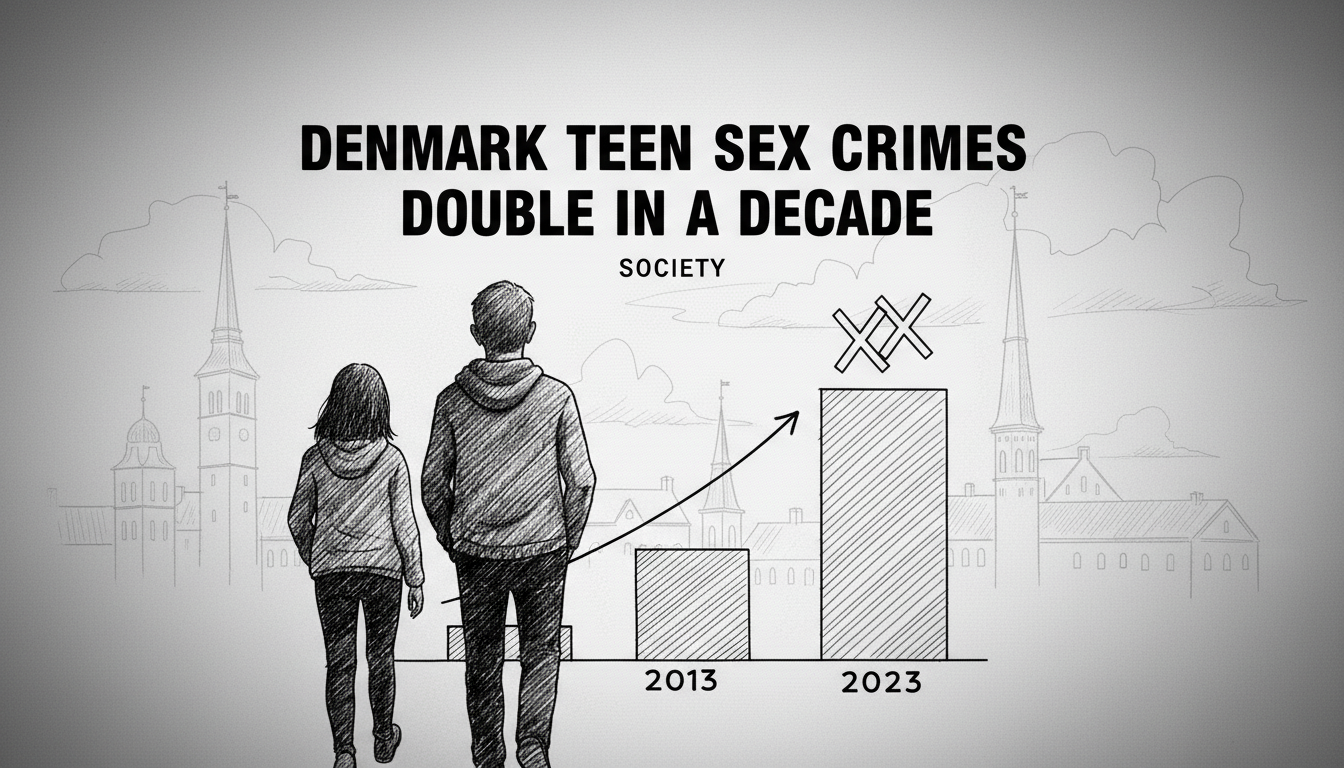
Denmark youth crime statistics reveal a troubling surge in sexual offenses committed by teenagers against other minors. Figures from the Director of Public Prosecutions, compiled and reported by Berlingske, indicate the number of 15-17 year olds convicted under the penal code's sexual offense chapters has more than doubled over ten years. In 2015, authorities recorded 95 such criminal decisions. By 2025, that number had risen to 238, based on the latest available data from the justice system. This sharp increase forces a difficult conversation about digital exposure, legal frameworks, and support for young people in Scandinavia's most egalitarian society.
A Digital Dimension to Youth Crime
A significant portion of this rise is linked to offenses involving digital material. Prosecutions for possessing and distributing abusive online content have driven much of the statistical change. The landmark 'Umbrella' case from 2018 exemplifies this trend. In that incident, police flagged nearly 1,000 young people for sharing a video involving two 15-year-olds, which constituted distribution of child sexual abuse material. The case resulted in hundreds of fines and convictions, creating a visible spike in the national figures for 2018 through 2020. However, the trend did not stop with that one event. From 2020 to 2025, convictions specifically for possessing abusive material reportedly increased by 93 percent, according to the Berlingske analysis. This points to a persistent, growing issue rooted in online behavior.
Experts Point to a Legal 'Mess'
Kasper Jørgensen, a criminologist and PhD fellow at Aalborg University's legal institute, prepared these numbers for the newspaper. He provides crucial context for the alarming data. 'We in Denmark do not have much knowledge about why this development looks the way it does,' Jørgensen said. He critically assesses the legislative environment, describing it as 'one big mess.' According to his analysis, Danish law has largely failed to account for children and young people as perpetrators. This oversight means the system sometimes punishes them as adults, without adequate consideration for their development or the potential for rehabilitation. 'The legislation hasn't had an eye for the fact that children and young people can be offenders,' Jørgensen noted, highlighting a gap between legal theory and the reality of youth crime.
Navigating Denmark's Social Safety Net
My reporting often focuses on how Danish society integrates vulnerable groups, but this story shows a failure in protecting children from each other. The Danish welfare system, renowned for its social safety net, faces a new test. Municipalities and social centers across Copenhagen and other cities are on the front lines, tasked with prevention and intervention. Yet, there is no coordinated national strategy specifically targeting teen-on-teen sexual offenses. Some social workers I've spoken to, who asked not to be named, express frustration. They cite a lack of resources for educational programs about consent and healthy relationships in schools. Others point to the overwhelming influence of pornography and digital culture, which children encounter often without guidance. The statistics suggest that Denmark's famous social policy apparatus is struggling to adapt to this modern, digital form of harm among youth.
The Human Cost Behind the Numbers
While data frames the problem, the human impact is profound. Each conviction represents multiple young lives altered—victims suffering trauma and young offenders branded with criminal records. In Danish municipalities, case workers see the aftermath: families in crisis and teenagers isolated from their peers. The offenses covered by these laws range from violations of decency to rape, and the possession of illegal imagery. This is not a victimless crime fueled by curiosity; it involves real harm to other children. The rise challenges Denmark's self-image as a society that protects its young. It exposes a paradox where a nation with strong child protection laws is witnessing a surge in violations within the youth demographic itself. From my perspective, this isn't just a legal issue; it's a societal symptom of failed education and digital neglect.
Searching for Solutions in Policy and Practice
Addressing this crisis requires moving beyond prosecution. Some experts advocate for a public health approach, focusing on prevention through comprehensive sex education in schools. Copenhagen's City Council has piloted programs in a few districts, but rollout is uneven nationwide. The Danish government has tightened laws on digital sexual crimes in recent years, yet Jørgensen's criticism suggests these changes are reactive and disjointed. A potential path forward involves better training for teachers and social workers, plus investment in early intervention when problematic behavior is first detected. Community leaders in integration centers note that these issues cross all demographic lines, affecting both Danish-born teens and those from immigrant backgrounds. The solution must be inclusive, addressing the universal challenges of adolescence in the internet age. Denmark's welfare model is capable of innovation; now it must direct that energy toward understanding and stopping this trend.
A Call for Clarity and Compassion
The doubling of teen sexual offenses in a decade is a clear alarm bell. It signals that Denmark's legal and social systems need urgent updates to match the realities of youth life today. We must ask tough questions: Are our children receiving the right education to navigate relationships and sexuality? Is the justice system the best tool for dealing with teenage mistakes, or should we prioritize therapeutic intervention? As a society, we cannot afford to look away. The data from the Director of Public Prosecutions provides a stark starting point. Now, the work begins to build knowledge, reform messy legislation, and ultimately protect all young people from harm—both as victims and as those who cause it. The welfare state's next chapter must write a better story for its youth.