
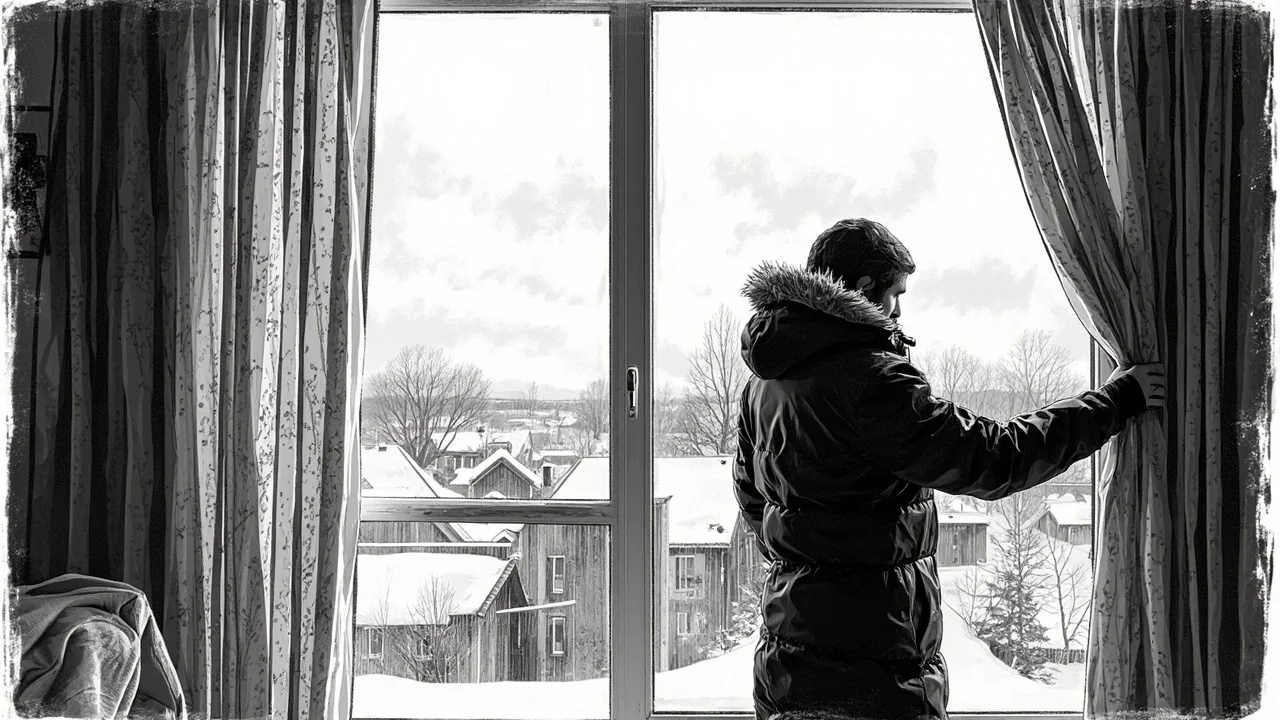
Denmark's housing stock faces a severe test this week as temperatures plunge to minus 20 degrees Celsius in parts of the country. This extreme cold presents a direct threat to homes, with risks ranging from frozen pipes to dangerous mold growth. For residents, the challenge is twofold: staying warm while also protecting their property from costly winter damage. I've felt this tension myself in my Copenhagen apartment, where the battle between insulation drafts and heating bills feels intensely personal each winter.
Building expert Tue Patursson from consumer advisory organization Bolius offers crucial guidance for homeowners and renters navigating this cold snap. His advice centers on prevention, emphasizing that small actions now can prevent major repairs later. "When we experience continuous cold like this, our homes are under real pressure," Patursson explains. "The materials contract, systems work harder, and the margin for error shrinks."
The Hidden Danger of Uneven Heating
Many Danes are cranking up their radiators, but Patursson warns against creating significant temperature differences between rooms. A common mistake is overheating living areas while leaving bedrooms or hallways much cooler. This practice can be costly and risky. "We usually say there shouldn't be more than a five-degree difference between rooms," Patursson states. "Otherwise, you risk a room becoming so cold that when warm, humid air comes in from other rooms, the moisture can settle on cold surfaces."
That moisture settlement creates the perfect environment for mold spores to take hold. Mold remediation is a significant issue in Danish housing, particularly in older buildings common in cities like Copenhagen and Aarhus. The problem intersects with Denmark's social policy, as public housing associations (almene boliger) often bear the cost of treating mold caused by tenant heating habits. This creates friction in the welfare system, where prevention knowledge isn't always evenly distributed.
Listening to Your Radiators
Your heating system can provide early warnings of bigger problems. Patursson advises homeowners to monitor their radiators closely during extreme cold. "If a radiator suddenly stops producing heat, it can signal a larger problem," he says. This often indicates that water in the pipes feeding that radiator has frozen. The vulnerable points are usually in uninsulated spaces like attics, crawl spaces (krybekældre), or utility rooms.
Frozen pipes that burst can cause catastrophic water damage. In a country where many live in multi-story apartment buildings, a burst pipe in one unit often affects neighbors below, leading to complex insurance claims and repairs. This communal vulnerability is a feature of dense urban living in Denmark. The Danish Building Research Institute notes that pipe insulation in older properties remains a challenge, particularly in summerhouses and pre-1960s construction.
The Counterintuitive Need for Ventilation
Opening windows in minus twenty-degree weather feels wrong, but Patursson insists it's necessary. Stale, humid indoor air needs to escape to prevent condensation and mold. "We actually recommend a quick airing-out," he says. The standard recommendation of 5-10 minutes of ventilation can be adjusted for extreme cold. "You can manage with two minutes, where you open up at both ends of the home so you get a proper fresh cycle through."
This advice touches on a cultural habit in Denmark: daily ventilation (udluftning). It's a practice embedded in the Danish concept of "hygge"—a cozy home requires fresh air. During winter, the challenge is balancing this need with energy conservation. For families in social housing or those on fixed incomes, the cost of reheating a ventilated room adds financial stress to the physical challenge of the cold.
Protecting Unoccupied Properties
For owners of summerhouses (sommerhuse), the deep freeze requires proactive checks. Patursson emphasizes ensuring the water supply is completely shut off and the system drained. These secondary homes, often lightly built and unheated for weeks, are particularly vulnerable. "When the thaw begins," Patursson adds, "you should watch for sudden water usage that's too high considering no one is occupying the house." This could indicate a leak from a pipe that froze and cracked.
This seasonal migration to and from summerhouses is a deeply ingrained part of Danish life. The protection of these properties represents both a personal financial concern and a collective one, as many are located in coastal areas where local economies depend on their upkeep. Municipalities in regions like North Jutland often issue their own guidelines to prevent widespread damage.
Energy Efficiency Meets Extreme Weather
The current situation highlights the tension between Denmark's ambitious green transition and practical housing needs. Many Danes have upgraded insulation and windows to improve energy efficiency. While these upgrades save energy, they can also create overly sealed environments where moisture builds up if not properly managed with ventilation systems. This is a known issue in the Danish building sector, where retrofitting older buildings sometimes creates new problems.
Patursson's advice ultimately centers on awareness and moderation. Consistent, moderate heating is better than aggressive spikes. Brief, effective ventilation trumps long, drafty openings. These principles align with the Danish welfare model's emphasis on collective responsibility—caring for one's home also means preventing problems that could burden communal resources or affect neighbors.
As I look out my window at the frost-covered Copenhagen rooftops, the advice feels immediate. The cold is more than an inconvenience; it's a test of our preparedness. Our homes are our primary shelters, but they require our active participation to weather the storm. In a society that prizes security and social safety, protecting one's private dwelling from the elements is the first line of defense. The deep freeze will eventually pass, but the lessons about maintaining our shared housing stock in an era of climate volatility are just beginning to come into focus.