
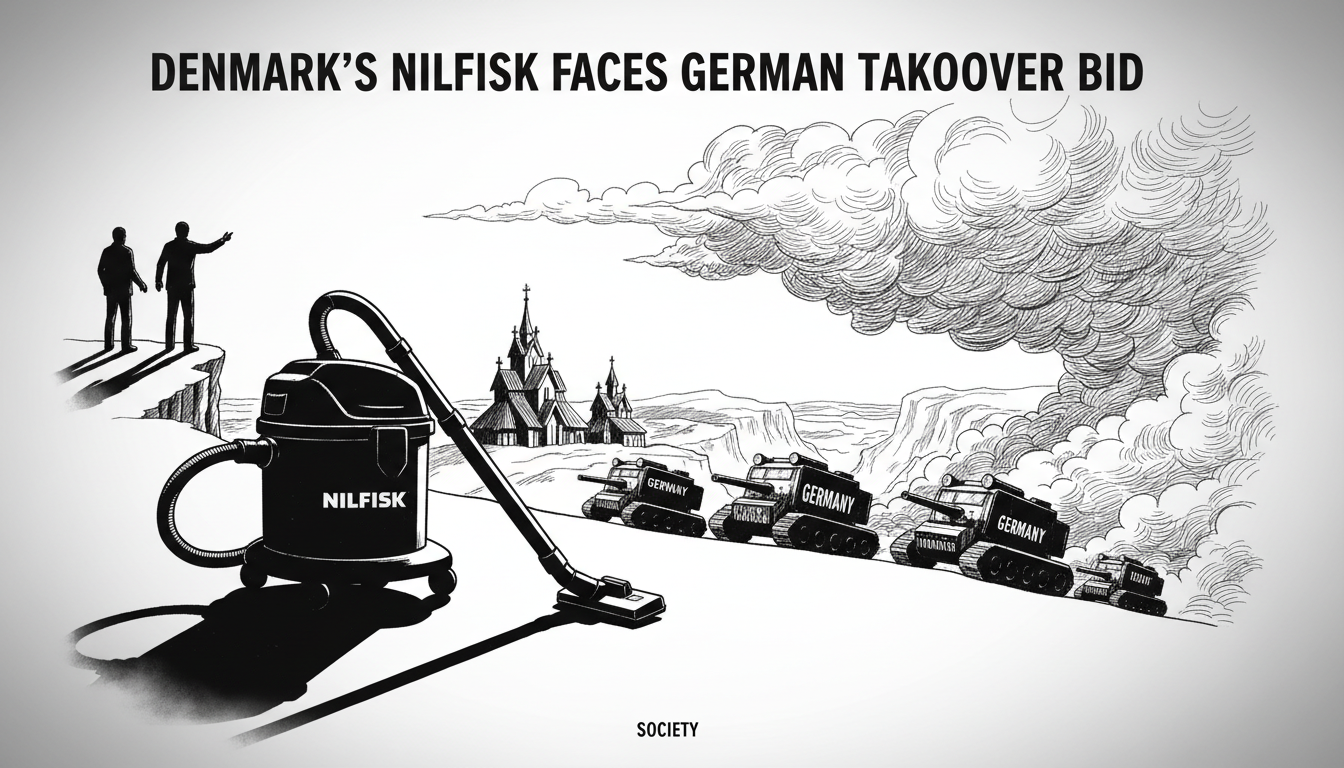
Denmark's industrial landscape faces a potential shift as German family-owned giant Freudenberg launches a multi-billion kroner takeover bid for Danish heritage company Nilfisk. The offer of 140 Danish kroner per share represents a significant 35% premium over the recent closing price, signaling a major strategic move in the European industrial sector. This bid places a spotlight on the fate of a 118-year-old Danish engineering firm known globally for its vacuum cleaners and professional cleaning equipment.
For many Danes, the name Nilfisk evokes memories of the iconic red household vacuum cleaners that were a staple in homes for decades. The company's journey from a small electric motor workshop founded in 1906 to a global leader in professional cleaning equipment represents a classic Danish industrial success story. Its potential acquisition by a foreign entity raises questions about corporate ownership, national industrial heritage, and the future of manufacturing jobs in Denmark.
A Premium Offer for Danish Engineering
The 140 kroner per share bid values Nilfisk at approximately 7.2 billion Danish kroner, based on outstanding shares. This substantial premium of 35% over Wednesday's closing price indicates Freudenberg's serious intent and the strategic value they see in the Danish company. Market analysts immediately began scrutinizing whether this premium adequately reflects Nilfisk's long-term value and growth potential in the industrial cleaning sector.
Freudenberg, a German technology group with over 175 years of history, operates across diverse sectors including seals, vibration control, and nonwovens. Their cleaning technologies division would find natural synergies with Nilfisk's product portfolio. The German company's family-owned structure, similar to many large Danish enterprises, might influence how the acquisition is perceived by stakeholders concerned about corporate culture preservation.
Historical Legacy Meets Modern Business
Nilfisk's history mirrors Denmark's industrial development throughout the 20th century. The company originally produced electric motors, later applying that expertise to create the first European vacuum cleaner in 1910. Its expansion into professional cleaning equipment for industries, airports, and large facilities marked a strategic pivot that defined its modern identity. The company even briefly produced motorcycles in the mid-20th century, showcasing Danish engineering versatility.
The potential acquisition continues a noticeable trend of foreign investment in established Danish companies with strong brand recognition and technological expertise. This trend reflects both the global appeal of Danish industrial design and engineering, and the challenging scale requirements of competing in international markets. For family-owned Freudenberg, acquiring Nilfisk offers immediate access to established brands and distribution networks across multiple continents.
Expert Analysis and Market Reaction
Financial experts are divided on whether shareholders should accept the offer. Some analysts argue the 35% premium represents fair value given current market conditions and Nilfisk's recent performance challenges. Others suggest the company's strong market position in professional cleaning equipment and potential for digital transformation in facility management could warrant holding out for a higher bid or remaining independent.
"This bid highlights the enduring value of Danish industrial brands with global reach," said Lars Bo Jensen, a Copenhagen-based mergers and acquisitions analyst. "Freudenberg isn't just buying machinery and market share—they're acquiring 118 years of engineering expertise and brand loyalty. The premium reflects that intangible value, but shareholders must decide if it's sufficient."
Industry specialists point to potential synergies in research and development, particularly in developing more sustainable and autonomous cleaning solutions. Both companies have invested heavily in developing equipment with reduced water and chemical usage, aligning with global sustainability trends. Combining their R&D efforts could accelerate innovation in this competitive sector.
The Human and Strategic Dimensions
Beyond the financial figures, the bid raises questions about the future of Nilfisk's approximately 4,800 employees worldwide, including significant operations in Denmark. Freudenberg has stated its intention to operate Nilfisk as a separate business unit, potentially preserving jobs and management structures. Historical precedents of similar acquisitions suggest initial assurances often give way to restructuring and consolidation over subsequent years.
The strategic rationale appears clear from Freudenberg's perspective. Acquiring Nilfisk would immediately make them a dominant player in the professional cleaning equipment market, complementing their existing cleaning technology portfolio. For Nilfisk, the offer comes at a time when the company faces increasing competition and pressure to invest in digital and robotic cleaning solutions that require substantial capital.
Looking Ahead: Danish Industrial Identity
This potential acquisition arrives during ongoing discussions in Denmark about preserving national control over strategically important companies. While no official intervention is expected, the bid will likely reignite debates about foreign ownership of Danish heritage brands. The Danish government has historically taken a market-oriented approach to such transactions, intervening only in cases involving national security or critical infrastructure.
The coming weeks will reveal whether other potential buyers emerge to challenge Freudenberg's offer, or if institutional shareholders find the premium compelling enough to approve the deal. Nilfisk's board of directors must now carefully evaluate the offer against their strategic plan for independent growth. Their recommendation will carry significant weight with shareholders who must balance immediate financial gain against long-term national and corporate interests.
As one of Denmark's oldest industrial companies contemplates this transformative offer, the outcome will signal how global market forces continue to reshape even the most established national business landscapes. The final decision will reflect not just financial calculations, but deeper values about preserving industrial heritage in an increasingly consolidated global economy.
Will this potential acquisition mark the end of an independent Danish industrial era, or simply a new chapter in Nilfisk's long history of adaptation and innovation? The answer lies in the hands of shareholders who must weigh 35% premiums against 118 years of legacy.