
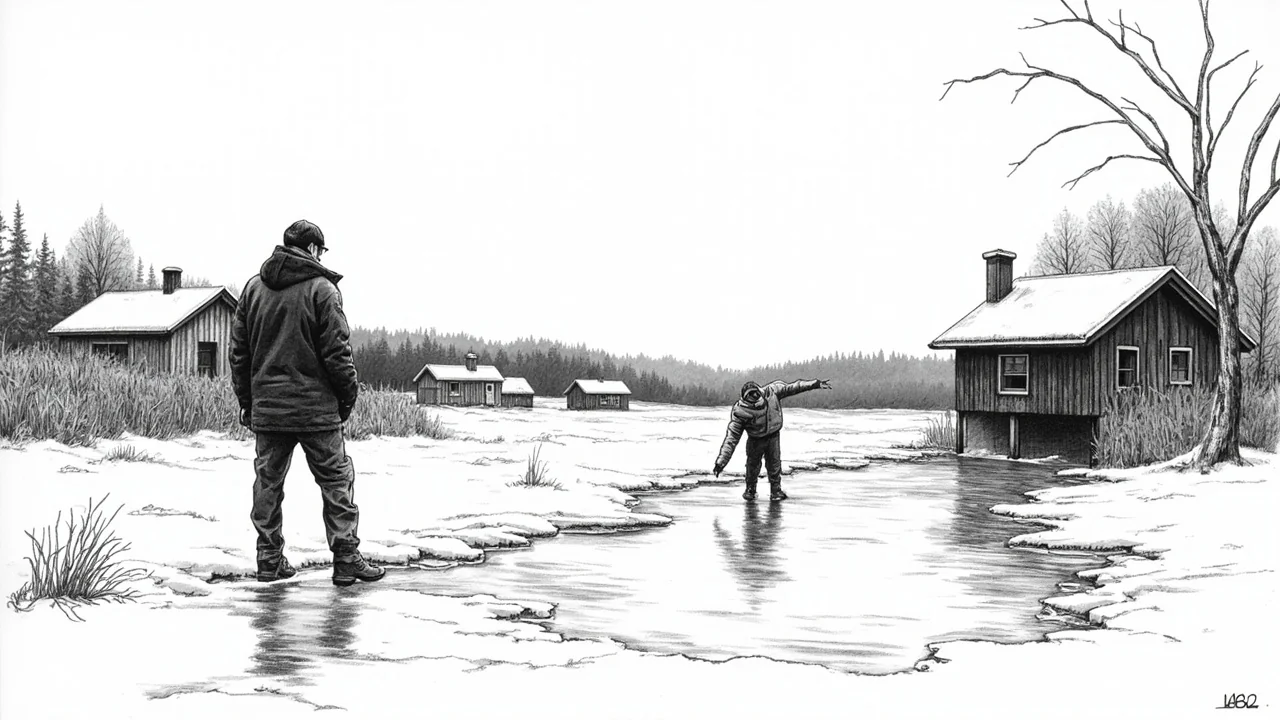
Danish insurance companies are preparing for a potential wave of damage claims as a sudden thaw follows weeks of severe frost and snow. The rapid temperature shift from deep freeze to plus degrees poses a significant risk of water damage to thousands of homes across the country. Experts warn that the real extent of the damage often only becomes visible once the snow begins to melt and water starts seeping into structures.
Carsten Hvass-Nielsen, claims manager at Tryg, explains the coming challenge. "The biggest headache comes when the thaw sets in," Hvass-Nielsen said. "It's typically only then that it becomes visible and people realize that damage has occurred." This delayed reaction means insurance companies expect a surge in reports next week, compounding an already busy period. Since January 2nd, Tryg has handled 70 to 110 percent more cases of jump-starts, vehicle recoveries, and towing than normal.
The Hidden Dangers of Melting Snow
The primary threats are twofold: structural stress from accumulated snow and insidious water infiltration. Heavy snow piled on roofs, particularly if it gathers unevenly, can challenge a roof's load-bearing capacity. In the worst cases, this can lead to collapse. A more common and stealthy problem is what the industry calls 'fygesne' – wind-driven snow that packs into eaves, lofts, and under roof overhangs.
"If you haven't removed wind-packed snow from lofts, eaves, and roof overhangs, it can cause damage when the snow melts and turns into water that spreads through the home," Hvass-Nielsen said. This melting snow can find its way through tiny holes in roofing that ordinary rainwater might not penetrate, especially if it sits and melts slowly over time. The problem is widespread across Danish municipalities, from single-family homes in suburbs to older apartment buildings in city centers.
Burst Pipes and the Frost's Legacy
A parallel crisis is expected with the plumbing systems of countless buildings. Several nights of hard frost have left water pipes vulnerable. The danger point is when homeowners and building managers turn the water supply back on as temperatures rise. "With water pipes, you need to be aware of frost fractures when you turn the water back on during plus degrees," Hvass-Nielsen cautioned. A pipe that has frozen and cracked may not leak until water pressure is restored, leading to sudden and significant interior flooding.
The insurance industry strongly recommends preventative measures that, for many, may now be too late. These include insulating exposed pipes, shutting off the water supply and draining the system, or letting taps drip to keep water moving. For those who did not take these steps, the advice is to be extremely vigilant. Homeowners should check carefully for signs of leakage when restoring water and consider having a professional inspect the system.
A Test for Homeowners and Systems
This weather sequence presents a practical test for both private preparedness and the responsiveness of Denmark's insurance and repair networks. It highlights a common gap in winter readiness: many people focus on immediate inconveniences like car troubles but overlook the slower, structural threats to their homes. Additional checks are now advised, including inspecting seals around doors and windows and visually checking roof conditions from the ground if safe to do so.
The situation reveals the interconnected nature of Danish crisis management. A surge in insurance claims will immediately pressure a network of authorized repair shops, plumbers, and roofing contractors. Wait times for repairs could lengthen significantly, especially for non-critical damage, stretching the traditional Danish welfare model of efficient service into a private sector context. The ability of these systems to absorb the shock will be tested in the coming days.
Economic Ripples from the Winter Shift
Beyond individual headaches, the wave of damage has broader economic implications. Insurance companies will face substantial payouts, which could influence future premium calculations in a country already experiencing rising costs of living. The repair boom will benefit tradespeople but could divert resources from planned construction and maintenance projects, creating a ripple effect in the building sector.
For Danish families, the financial impact can be twofold: the deductible on their insurance policy and the potential loss of value or livable space in their home. While Danish home insurance is comprehensive, the process of assessing damage, filing claims, and coordinating repairs adds a significant administrative and emotional burden. In a society that values order and predictability, such widespread, weather-induced disruption is particularly challenging.
Analysis: Climate Resilience in Focus
This impending thaw crisis, while an annual winter risk, fits into a larger pattern of climate-related challenges for Denmark. As weather patterns become more volatile, with potential for more frequent freeze-thaw cycles, the resilience of the national housing stock is called into question. Much of Denmark's building infrastructure, while high quality, was designed for a different climate era. Older homes, in particular, may need upgraded insulation, roofing, and plumbing to withstand these stresses.
From a policy perspective, it raises questions about municipal guidance and public information campaigns. Could more proactive, targeted advice from local authorities before the cold snap have mitigated the damage? The event serves as a case study in preventive risk communication. It also underscores the value of the Danish cooperative model in insurance, where risk is pooled, but also highlights system vulnerabilities when a widespread, simultaneous event occurs.
Looking Ahead: The Week of Reckoning
The coming week will determine the scale of the problem. Insurance company phone lines and online claim portals are expected to be extremely busy. The true measure of the event will be in the numbers that emerge: the volume of claims, the average cost per claim, and the speed with which normalcy can be restored to affected homes. For now, the advice from experts is clear: be observant, document any damage thoroughly with photos, and contact your insurance provider promptly if you suspect a problem.
This sequence of weather serves as a stark reminder of nature's power to disrupt even the most well-organized societies. It asks a fundamental question of a nation proud of its design and functionality: how resilient are we when the climate itself shifts beneath our roofs and behind our walls? The answer will begin to drip, then flow, into view as the snow recedes.