
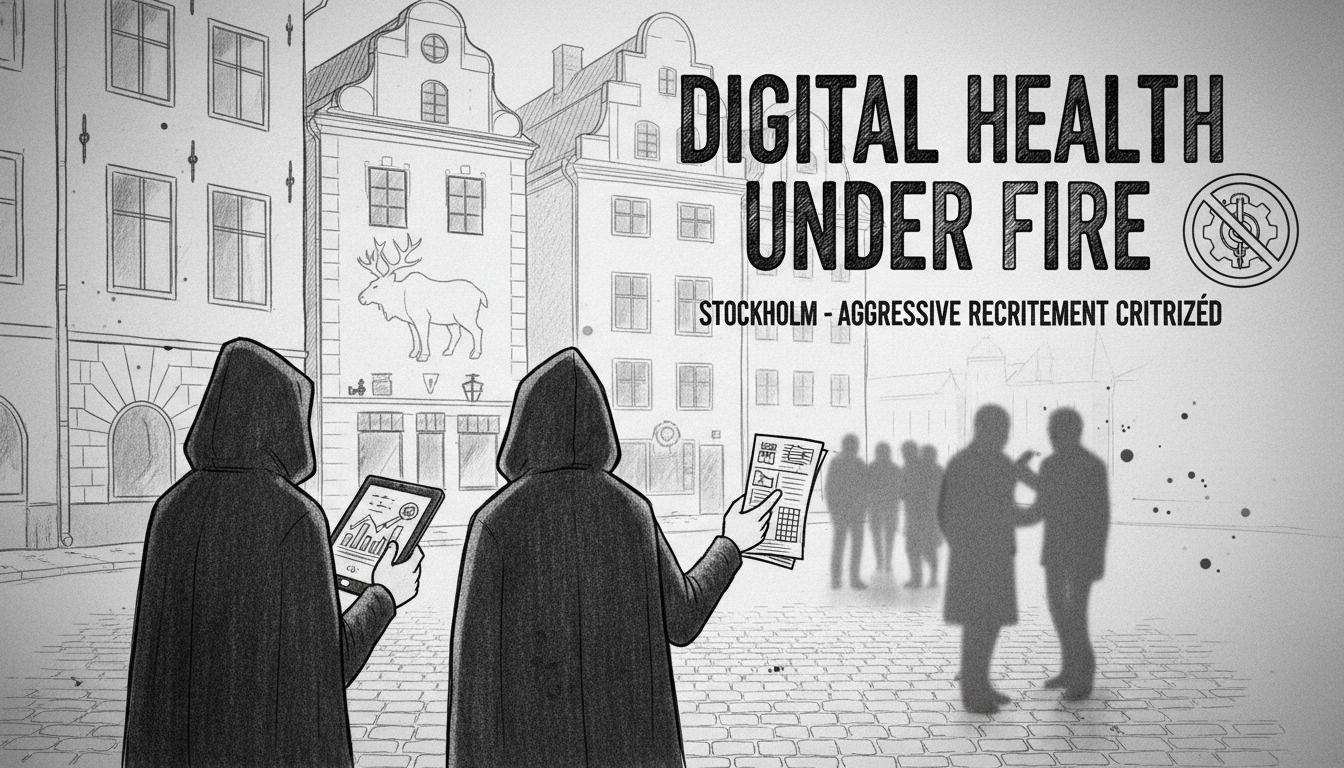
A major digital healthcare provider faces scrutiny for its marketing tactics in the Swedish capital. The company reportedly recruited thousands of new patients using street-level salespeople. This approach has drawn formal criticism from regional health authorities for violating ethical marketing standards. The situation highlights the tension between rapid growth and regulatory compliance in the Nordic health tech sector.
Regional officials confirmed the company added approximately 4,200 listed patients across Stockholm County in just three months. Three of its largest health centers saw patient lists grow by about 2,500 individuals. The recruitment drive involved salespeople operating in public areas, including near subway entrances. Officials stated the methods did not align with requirements for good marketing practice in healthcare.
Healthcare marketing in Sweden must follow strict ethical guidelines. These rules demand information be factual, correct, and relevant. Marketing must also show great consideration for the recipient's vulnerable position as a patient. It should not encourage medically unnecessary care or mislead about publicly funded services. The regional authority received complaints about the tactics. Some reports suggested young patients were lured with offers of free care.
Bodil Klintberg, head of the region's primary care unit, addressed the issue. 'People were approached by salespeople in an intrusive manner,' Klintberg said. 'We have been in dialogue with the company for a long time. It has been difficult to get them to stop.' The dialogue reportedly lasted over six months with this provider.
The company's Sweden CEO, Ameli Norling, defended the strategy. Norling argued the salespeople were vital for public information. 'They helped reach Stockholm residents, including those with language difficulties,' Norling stated. The executive also credited a new same-day booking feature in the app for the patient increase. Norling claimed regional requirements became 'too harsh,' leading the company to cease the sales activities.
This case is not isolated. Another major digital health provider used similar methods during the same period. The regional authority engaged with both firms. The prolonged resistance from one company underscores a broader challenge. Fast-growing Nordic startups often push boundaries in regulated sectors like healthcare and fintech. The drive for market share can clash with established public sector ethics and patient welfare priorities.
The Stockholm region is a key testing ground for health tech innovation. Districts like Östermalm and Södermalm are hubs for venture capital and startup activity. Companies secure funding to scale quickly, often prioritizing user acquisition. This incident serves as a clear reminder. Growth tactics acceptable in e-commerce or food delivery face higher scrutiny in healthcare. Patient trust is a non-negotiable commodity in the Swedish system.
What happens next? The company has stopped the street marketing. Regional authorities will likely monitor compliance more closely. For investors in Swedish startups, this is a cautionary tale. Regulatory risk is a real factor, especially for firms interfacing with public welfare systems. The promise of disruption meets the reality of public accountability. The outcome may influence how all digital health providers approach patient recruitment in the future.