
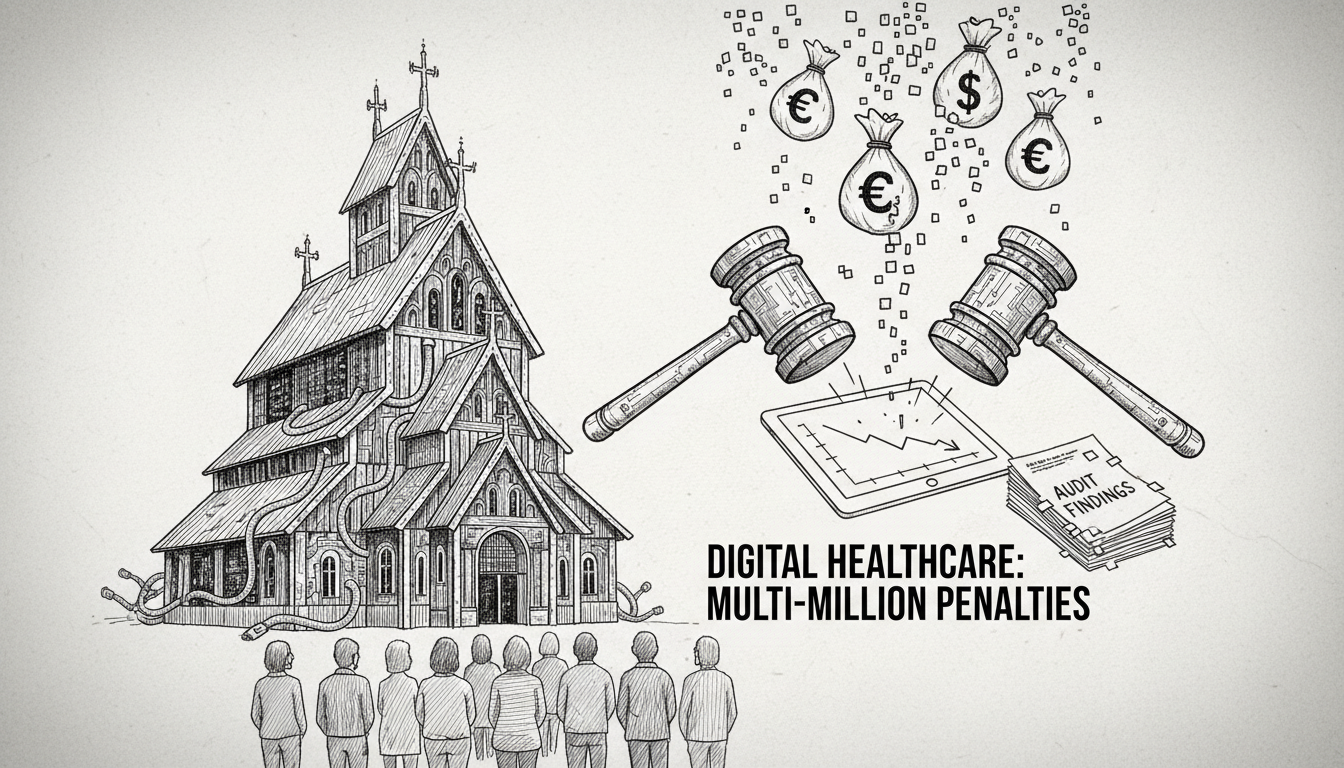
Swedish regional health authorities discovered serious billing irregularities during a review of digital healthcare services. The audit examined 532 digital patient consultations involving 341 patients across multiple online healthcare providers.
Mats Henningsson, health director for Sörmland Region, expressed deep concern about the findings. He said many digital consultations failed to meet the standards for qualified medical care. These visits consisted only of basic advice or referrals to physical care facilities. Such services resemble the guidance available through Sweden's national healthcare hotline.
Regional officials now consider these consultations ineligible for reimbursement. The investigation could lead to repayment demands or other sanctions against the healthcare providers. Henningsson confirmed his team will conduct thorough analysis and take necessary actions.
Martin Lindman, CEO of Doktor.se, defended his company's practices. He stated they billed according to definitions provided by the region itself. The company applied established routines approved in previous years. All patient visits followed the same procedures that had received prior authorization.
The conflict highlights growing tensions in Sweden's digital healthcare transformation. As more patients turn to online services, regulators struggle to maintain oversight. This situation mirrors challenges seen in other Nordic countries adopting digital health solutions.
Sweden's healthcare system operates through 21 regional councils that manage local services. These regions purchase care from both public and private providers. Digital health companies have expanded rapidly in recent years, offering convenient access to medical consultations.
The current dispute centers on what constitutes billable medical care versus basic health information. Regional authorities argue taxpayers should not fund services that duplicate existing public resources. Healthcare providers counter that they follow established guidelines.
International observers note similar debates occurring across European healthcare systems. As digital medicine grows, regulators worldwide face questions about quality standards and appropriate billing practices. The Swedish case could influence policy decisions in neighboring Nordic countries.
The financial stakes are substantial for both sides. Healthcare companies risk significant revenue losses if forced to repay claims. Regional budgets could face pressure if digital services prove more expensive than traditional care.
Patients may feel caught between convenience and quality concerns. Digital healthcare offers faster access to medical advice, but questions remain about service depth. The audit results suggest some patients received less comprehensive care than they expected.
What happens next could shape Sweden's healthcare landscape for years. Regional authorities possess strong leverage through their purchasing power. Healthcare companies must demonstrate they provide genuine medical value, not just convenient access.
This situation reflects broader questions about technology's role in public services. As governments embrace digital solutions, they must balance innovation with accountability. The Swedish healthcare audit represents one attempt to find that balance.