
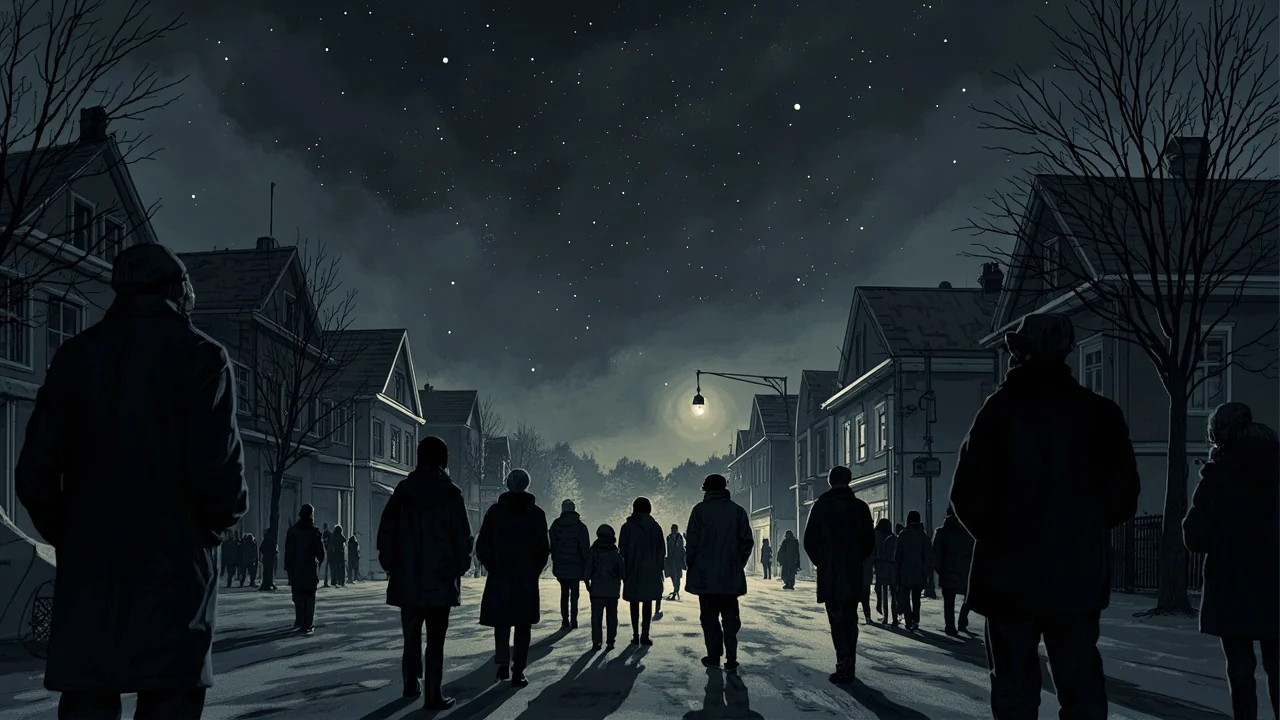
Denmark's Baltic Sea island of Bornholm lost all electrical power Wednesday morning after a critical submarine cable failure. The total blackout, which began at 10:16 AM, has left all households and businesses on the island without electricity and threatens water, heat, and communication systems.
Ann Katrine Warren, press officer for grid operator Trefor El-Net Øst, confirmed the cause. "The only thing I can say right now is that it is the submarine cable between Sweden and Bornholm, and that it affects all of Bornholm," Warren stated. The cable represents a critical power supply line for the isolated island community. Utility companies have informed customers they are experiencing an 'unexpected power interruption' with electricity expected to be restored by 9:00 PM Wednesday night.
A Community Grinds to a Halt
The immediate impact of the blackout has been severe and widespread. Supermarkets have closed their doors, unable to operate registers or refrigeration. Traffic lights are dark, creating hazards at intersections. Medical clinics and dental offices have canceled appointments, while the island's main hospital, Bornholms Hospital, has activated emergency backup generators to maintain critical care. Public schools sent children home early, and many businesses have told employees not to come to work.
Local resident Mette Hansen described the scene in Rønne. "Everything just stopped," she said. "You don't realize how dependent you are until the power goes out. No lights, no internet, and now we're hearing the water pumps might fail. People are filling bathtubs with water just in case." The grid operator's warning about potential failures in water supply, heating, and communications has added a layer of anxiety for the island's approximately 40,000 inhabitants.
The Vulnerable Infrastructure of Island Life
This incident highlights the unique energy vulnerability of Denmark's island communities. Bornholm is not connected to the Danish mainland's electrical grid. Its primary power lifeline is the 60-kilometer long, high-voltage DC submarine cable, known as 'Konti-Skan 2,' which runs from Sweden to the island. A secondary, older cable also exists but was reportedly not operational or insufficient to handle the load at the time of the failure. This infrastructure makes Bornholm part of the Nordic synchronous grid, reliant on imported electricity.
Energy experts point to this event as a case study in grid resilience. "Island grids are inherently more fragile," explains Lars Bjørn, an energy systems lecturer whose analysis focuses on Danish infrastructure. "A single point of failure on a key cable can cause a complete collapse. For Bornholm, this cable isn't just a connection, it's the main artery. The Danish energy strategy has long discussed increasing local renewable production and storage on islands like Bornholm to mitigate these risks, but progress is gradual." The outage raises immediate questions about backup systems and the pace of implementing more decentralized, renewable energy sources such as wind and solar, which are abundant on the island.
Emergency Response and Social Cohesion
Municipal crisis staff on Bornholm have been activated. The focus is on protecting vulnerable citizens, including the elderly and those dependent on electrical medical equipment. Community centers in several towns, including Nexø and Aakirkeby, have been opened as warming centers and information points, running on emergency generators. The Civilforsvar (Danish Civil Defense) is on alert to assist if the outage persists and essential services degrade further.
The social impact of such a widespread blackout is significant. It disrupts not just the economy but the daily fabric of life. For a journalist covering Danish society, this event is less about immigration policy and more a stark reminder of the welfare system's dependence on stable infrastructure. The social contract in Denmark's high-trust society relies on the consistent function of utilities. When they fail, it tests community resilience and the municipal safety net. Local mayor, Thomas Thors, appealed for calm and community spirit. "We are in this together," he said in a radio interview broadcast on backup-powered local stations. "Check on your neighbors, especially the elderly. Share information and resources. Our teams are working around the clock."
The Road to Restoration and Future Implications
Repair crews from Trefor El-Net Øst are assessing the damage to the submarine cable, a process complicated by its location on the seabed. The stated restoration target of 9:00 PM is optimistic but uncertain, as maritime weather conditions and the exact nature of the fault will determine the repair timeline. If the outage extends beyond evening, the situation will grow more serious with falling temperatures and dwindling supplies of fresh water in pressure-less systems.
This blackout will inevitably lead to a post-mortem analysis. The Danish Energy Agency and the grid operator will face questions about contingency plans and infrastructure investment. For Bornholm, which has positioned itself as a 'Bright Green Island' aiming for energy self-sufficiency through renewables, this crisis may accelerate local debates about energy independence. It also serves as a national reminder. In an era focused on the green transition and cybersecurity threats to critical infrastructure, the fundamental reliability of the physical grid remains the bedrock of modern Danish society. As the island waits in the dark, the question isn't just when the lights will come back on, but how this event will reshape the conversation about keeping them on for good.
A Test of Resilience
As Wednesday afternoon turns to evening, Bornholm's residents face an anxious wait. The blackout is a powerful, unwelcome experiment in what happens when a modern, digitized society is suddenly disconnected. It tests emergency protocols, community bonds, and the very infrastructure that underpins the Danish welfare model. The successful restoration of power will bring relief, but the lessons learned from this prolonged outage will resonate far beyond the island's shores, prompting a necessary reevaluation of energy security for all of Denmark's isolated communities.