
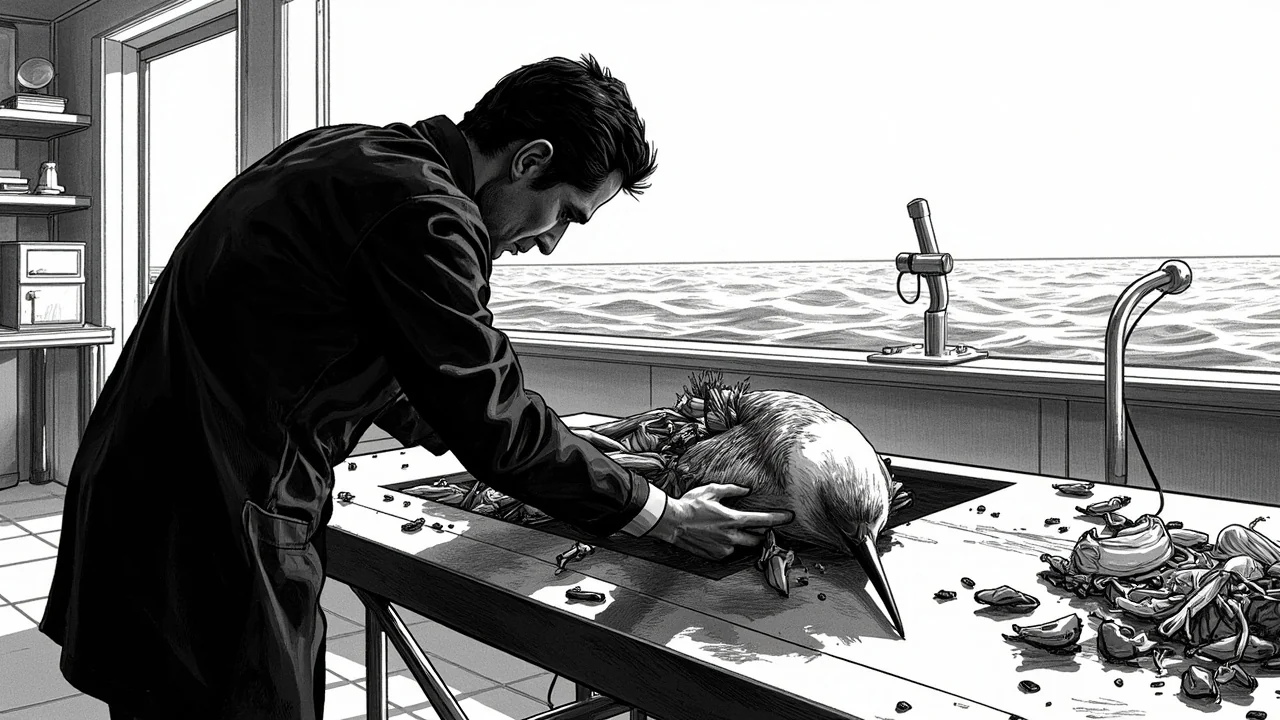
Denmark's coastal crisis sees plastic in 80% of dead seabirds, sparking a nationwide volunteer effort to collect and examine hundreds of carcasses. The grim statistic from the Danish Environmental Protection Agency is a focal point for a new scientific project aimed at understanding a disturbing trend of mass mortality among marine birds. On selected coastlines, volunteers from the Danish Ornithological Society (DOF Birdlife) are now walking shorelines, gathering dead birds for detailed autopsy at Aarhus University.
A Silent Crisis Washed Ashore
The project, named 'Seabirds Under Pressure', transforms Denmark's picturesque beaches into a front line for ecological research. It formalizes a response to years of observing unexplained die-offs, particularly among alcid birds like puffins and guillemots. Simon Christiansen, manager of the Skagen Bird Observatory and lead on the collection project, describes a multifaceted threat. "Many species of seabirds face numerous challenges these years," Christiansen said in the statement. "Alarm bells are ringing because the food supply of fish for alcids has disappeared to a disturbing degree." He cites industrial fishing, plastic pollution, and abandoned fishing gear as compounding pressures that are reshaping the Baltic and North Sea ecosystems.
The Autopsy Table's Tell-Tale Signs
At Aarhus University, each bird undergoes a necropsy that is part detective work, part environmental audit. Researchers are not just looking for a cause of death. They are testing for hazardous environmental chemicals and specifically documenting the impacts of pollution and marine debris. The stomach contents provide the most visceral evidence. The propensity of species like the fulmar to eat floating waste makes them stark indicators of ocean health. Finding plastic in four out of five examined fulmars confirms a direct and lethal link between human activity and marine life. This systematic collection and analysis create a standardized dataset, something previously lacking. It moves the conversation from anecdotal observations to hard, actionable science that can pressure policymakers.
Volunteers Become Citizen Scientists
The success of the project hinges on a mobilized network of volunteer ornithologists. DOF Birdlife is expanding this group, training them to systematically patrol designated coastal stretches. Their role is critical. They are the ones who find the birds, log the initial data, and ensure specimens reach the university in a state suitable for study. This model of citizen science has deep roots in Denmark's community-oriented culture. It reflects a society where public engagement in environmental monitoring is both common and respected. The data these volunteers gather will help map the geographic scope of the mortality and identify potential hotspots linked to currents, shipping lanes, or fishing areas.
An Ecosystem Out of Balance
Scientists point to broader systemic changes as the root cause. Alterations in the marine ecosystem and subsequent food shortages are primary suspects. Warmer sea temperatures, salinity changes, and overfishing can decimate the small fish populations that seabirds rely on. A hungry bird is a desperate one, more likely to ingest plastic debris that resembles food. This creates a vicious cycle: starvation weakens the bird, and ingestion of indigestible plastic further compromises its ability to feed and survive. The project aims to untangle this web. Is plastic the primary killer, or is it the final blow for birds already stressed by a collapsing food web? The answer is crucial for directing conservation efforts.
A Policy Crossroads for Danish Authorities
The findings from this project will land directly on the desks of environmental ministers and agency heads. Denmark prides itself on green ambitions and a robust welfare model that extends to environmental stewardship. This crisis tests that commitment. Will the documentation of plastic-filled birds lead to stricter regulations on maritime plastic waste, more aggressive enforcement of fishing gear retrieval, or revised quotas for industrial fishing? The Danish government, along with other Baltic nations, faces increasing pressure to treat the sea not just as an economic zone but as a fragile, interconnected ecosystem. Municipalities in coastal regions also have a stake, as mass bird deaths impact local biodiversity and can stain the natural appeal of their shores.
The Human Connection to a Marine Tragedy
For the average Dane, the image of a dead fulmar with a stomach full of plastic waste is a powerful and disturbing one. It translates a remote, oceanic problem into a tangible local event. It connects daily consumption and waste habits to a tangible ecological outcome. In a country with a deep-seated love for nature and the sea, this resonates strongly. The volunteer effort itself is a testament to this connection. People are giving their time to confront a sad reality because they feel a responsibility. This public engagement may prove as important as the scientific data, creating a groundswell of support for the difficult policy choices that may be needed to reverse the trend.
What the Dead Can Teach the Living
The 'Seabirds Under Pressure' project is ultimately an investment in diagnosis. The dead birds are messengers. Their bodies contain a record of what is going wrong in Denmark's surrounding seas. By listening to that message through meticulous science, there is a hope of finding solutions. The alternative is to accept the continued quiet disappearance of species that have defined the Danish coastline for millennia. The project's true success will be measured not in the number of carcasses collected, but in whether its findings can stem the tide of death. The question now is whether Danish society and its leaders are prepared to act on the urgent story these birds are telling.