
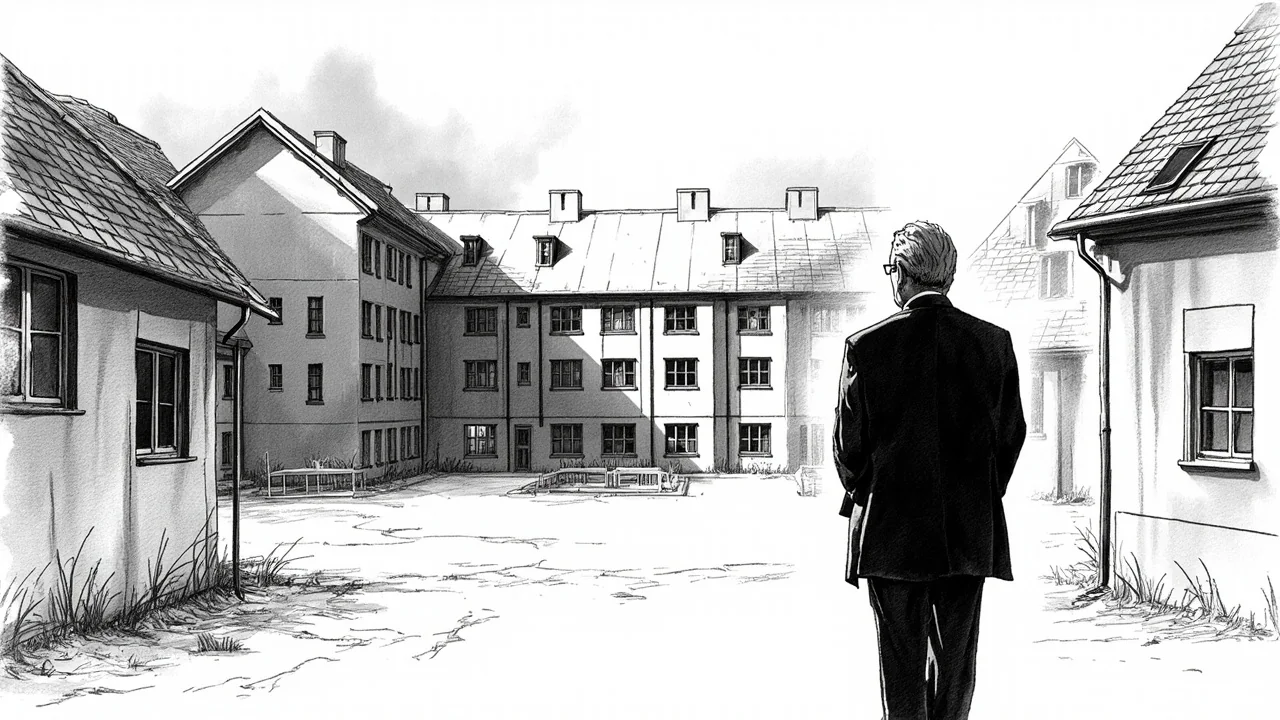
Denmark's social care sector faces scrutiny as a care home director is suspected of systematically misusing millions in public funds, forcing the facility's closure. A comprehensive investigation by Socialtilsyn Midt alleges that Walther Trabjerg, owner and director of Trabjerggård care home in Tørring, diverted approximately 6.5 million Danish kroner annually into his privately owned company. The social authorities have reported the director to police, citing extensive misuse of taxpayer money intended for vulnerable residents.
The Allegations of Financial Misconduct
The social oversight authority's report presents a severe critique of the care home's financial management and leadership. The core allegation centers on Walther Trabjerg allegedly operating two intertwined entities: the officially approved care home, Trabjerggård, and his personally owned company, Trabjerggård I/S. The latter, not approved by social care authorities, sold services to the care home. Authorities state this created a blurred structure where facilities were shared, and key staff were employed by both companies. This arrangement, according to the investigation, allowed for the diversion of public funds.
A Facility Praised Yet Under Investigation
Despite the serious financial allegations, the care home's daily operations and pedagogical care received notable praise. Inspectors noted that on the surface, Trabjerggård appeared well-run, with residents thriving and receiving appropriate help. The contrast between the quality of care and the alleged financial mismanagement forms a central paradox in the case. This discrepancy suggests the operational staff successfully maintained standards despite the purported financial dealings occurring at the ownership level.
The Director's Firm Rejection
Walther Trabjerg has completely rejected the accusations from Socialtilsyn Midt. He has formally complained about the authority's decision, asserting his innocence. This sets the stage for a potential legal confrontation as the police review the material submitted by the social authorities. The director's defense and the evidence presented by the oversight board will be crucial in determining the outcome of the criminal probe.
Immediate Consequences and Closure
The most immediate consequence of the investigation is the mandated closure of Trabjerggård care home. This decision disrupts the lives of its residents, who must now be relocated to other facilities. The closure order stems directly from the gravity of the financial misuse allegations, which authorities believe compromise the entire operation's integrity. The case highlights the systemic risk when public service providers commingle approved and unapproved business entities.
Scrutiny on Care Home Funding Models
This incident prompts broader questions about oversight within Denmark's system of privately run, publicly funded care homes. The alleged scheme, involving a non-approved company billing the approved facility, points to potential vulnerabilities in contracting and invoicing controls. It raises the issue of how effectively municipalities monitor the flow of billions of kroner allocated to care for the elderly and vulnerable. While not all facilities face such allegations, this case may trigger reviews of governance structures in similar institutions.
The Path Forward for Residents and Staff
As the legal process unfolds, the practical focus remains on the residents and employees of Trabjerggård. Local municipality officials are tasked with finding appropriate new homes for the residents, a process that requires careful handling to minimize distress. The staff, many of whom were praised for their work, now face uncertainty regarding their employment. The human impact of the closure, separate from the financial allegations, represents a significant collateral effect of the scandal.
Examining the Oversight Response
The actions of Socialtilsyn Midt demonstrate a proactive approach by regulatory bodies. Their detailed investigation, which examined years of financial records, enabled them to piece together the alleged pattern of fund diversion. The decision to involve police and compel the home's closure shows a low tolerance for suspected misuse of care budgets. This robust regulatory response may serve as a deterrent, signaling to other providers that similar financial arrangements will face severe consequences.
Unanswered Questions and Ongoing Probe
Key questions remain unanswered as the police investigation begins. The exact total of allegedly misappropriated funds over the years requires forensic accounting. Furthermore, the final determination of criminal liability rests with the judicial system. The case also leaves open whether other similar structures exist elsewhere in the care sector, undetected by current monitoring practices. The coming months will determine if this is an isolated incident or a symptom of a wider need for reformed financial oversight in social care contracting.
A Stark Warning to Service Providers
The Trabjerggård case delivers a clear message to all operators of publicly funded services: financial transparency is non-negotiable. The alleged blending of entities and funds has resulted in operational catastrophe for the business and potential criminal proceedings for its owner. For municipal contract officers and regulators, the case underscores the necessity of looking beyond service quality reports and deeply auditing financial flows and corporate structures. The ultimate cost of this scandal will be tallied not just in kroner, but in the disrupted lives of residents and the shaken trust in a critical part of Denmark's welfare system.