
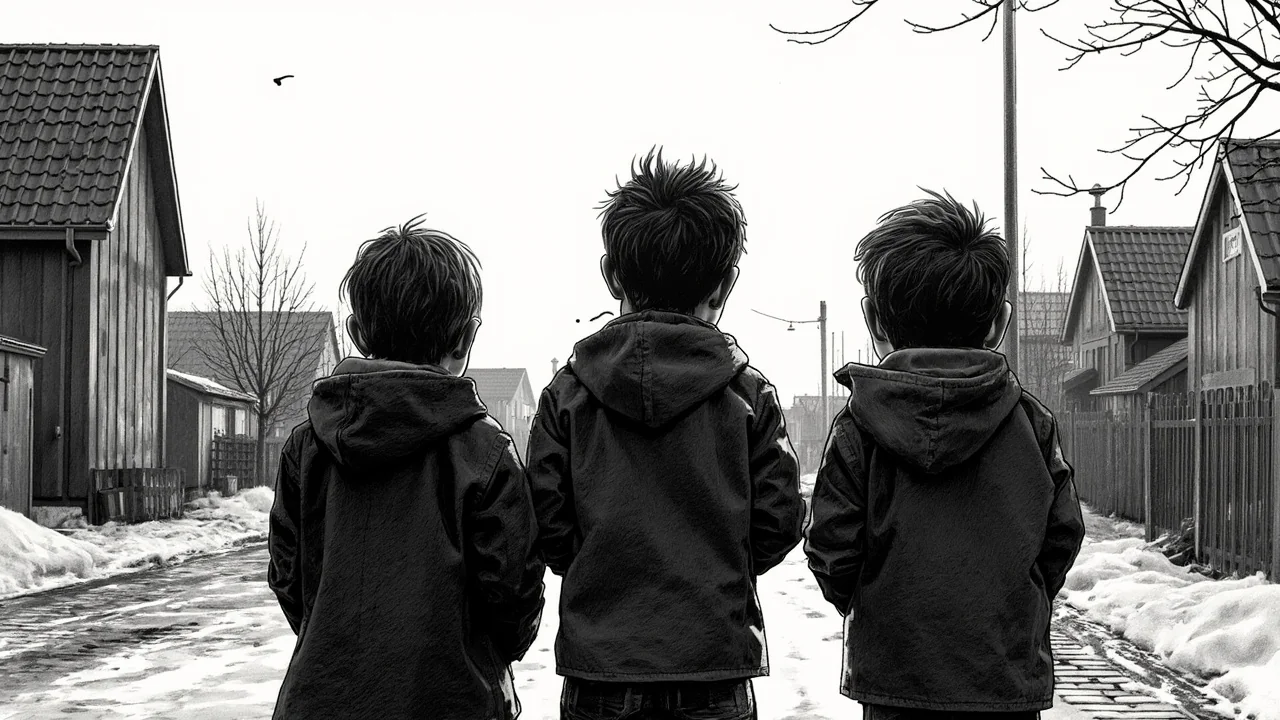
Denmark child welfare services fail to assist one in three children where a parent faces violence charges against them according to recent findings. This stark statistic reveals a troubling patchwork of support that varies drastically across the country's 98 municipalities. The Danish welfare system often praised for its comprehensive social safety net shows significant cracks in this critical area. As a reporter focused on integration and social policy I see how such disparities undermine trust in public institutions. Children left without intervention face long term risks to their mental health and social integration. Municipalities in Copenhagen and other regions interpret guidelines differently leading to inconsistent aid. A children's spokesperson called the situation deeply saddening and dependent on one's postal code. This issue touches the core of Danish social policy where local autonomy can sometimes create inequitable outcomes. Families from all backgrounds including those in immigrant communities feel this uncertainty. The lack of standardized response contradicts Denmark's reputation for strong child protection frameworks. We must ask why geography determines a child's access to safety and support.
The Human Cost of Inconsistent Aid
Children exposed to parental violence carry invisible wounds that shape their futures. Without timely municipal help these young individuals struggle in schools and social settings. Educational outcomes can suffer significantly affecting their chances for successful integration into Danish society. I have spoken with social workers in Copenhagen who describe cases slipping through bureaucratic gaps. One child might receive counseling and family therapy while another in a neighboring municipality gets nothing. This randomness adds trauma to an already vulnerable situation. The Danish welfare system is designed to prevent such failures yet here they persist. Parents charged with violence may not receive mandated parenting courses or monitoring. This leaves children in potentially unsafe environments with no systemic check. The emotional toll on these families is immense and often overlooked in policy debates. Municipal social centers have limited resources and competing priorities.
How Municipal Autonomy Creates Disparities
Denmark's decentralization gives municipalities control over social service delivery including child protection. This means help for children exposed to violence depends on local budget allocations and political will. Some municipalities prioritize early intervention programs while others focus on reactive measures. In areas with higher immigrant populations integration policies might overlap with child welfare efforts. However there is no national guarantee of uniform support for these children. The statistic that every third child receives no help highlights this systemic flaw. Variation exists between urban centers like Copenhagen and rural districts. Local officials make decisions based on differing risk assessments and resource models. This patchwork approach can leave children in similar situations with vastly different levels of care. Danish social policy aims for equality but in practice geography plays too large a role. Families moving between municipalities might see services abruptly start or stop. This inconsistency challenges the principle of fair access enshrined in the welfare system.
Voices Highlighting the System's Failures
The children's spokesperson stated plainly that it is tragic how help depends on where one lives. This quote underscores the frustration among advocates and professionals in the field. Community leaders in integration hubs note that marginalized families often hesitate to seek help. They fear involvement with authorities due to complex immigration policies or language barriers. Municipal caseworkers are overwhelmed with high caseloads and administrative duties. A social policy expert I consulted pointed to fragmented data sharing between agencies. Without coordinated efforts children affected by parental violence remain invisible in the system. Danish society news rarely covers these quiet crises until tragedy strikes. The spokesperson's words call for urgent reflection on our collective priorities. We need to listen to those on the front lines of child protection. Their insights are crucial for reforming a system that should protect every child equally. Personal stories from affected families reveal gaps no statistic can fully capture.
Linking Child Welfare to Broader Social Policy
This issue intersects with Denmark immigration policy and integration strategies. Children from diverse backgrounds may face compounded risks when family violence occurs. The Danish welfare system must ensure that all children regardless of origin receive consistent support. Education statistics show that early trauma impacts school performance and future opportunities. Municipalities with strong integration programs sometimes have better coordinated child services. However there is no direct correlation and many fall short. Copenhagen integration initiatives often focus on adults leaving children's needs secondary. National social policy should mandate minimum standards for helping children exposed to violence. Currently municipal discretion leads to the unacceptable one in three failure rate. We can look to other areas of Danish social policy for models of uniformity. For instance healthcare access is largely standardized across regions. Applying similar principles to child protection could save lives and futures. The goal is a system where a child's address does not dictate their safety net.
A Call for Accountability and Change
Denmark must confront why its welfare system allows such geographic lottery in child protection. Municipal leaders need more funding and clear guidelines from the national government. Regular audits of child violence cases could identify municipalities that are failing. Public awareness campaigns might pressure local officials to prioritize this issue. The children's spokesperson's sadness should motivate action at all levels of government. Integration policies should explicitly include protections for children in volatile home environments. Social centers in every municipality require adequate staffing and training. Denmark social policy has the tools to fix this but lacks the political will. We owe it to every child to create a safety net without holes. The next generation's well being depends on decisions made today. Will we continue to let location determine a child's chance for help?