
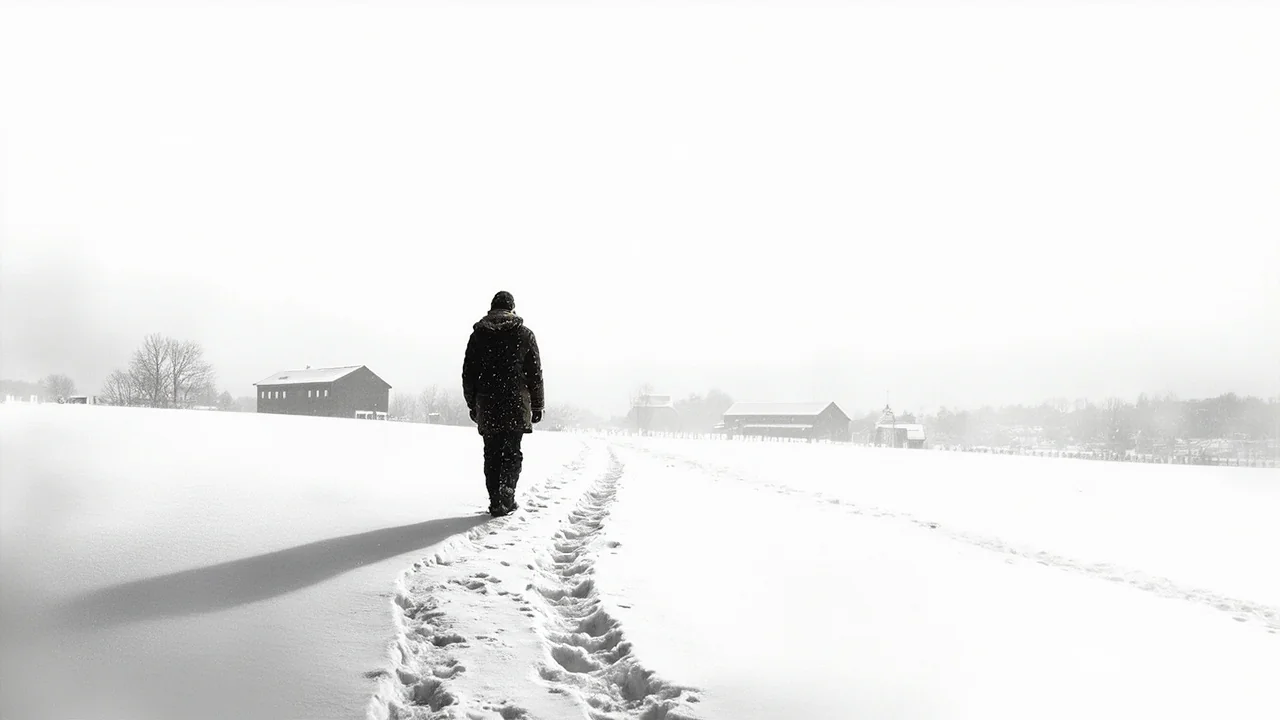
Copenhagen harbor has iced over after temperatures dropped to -16°C, marking an unusual winter event for Denmark's capital. The biting cold has persisted for several days, transforming parts of the city's waterfront into a frozen landscape. This scene, captured on Sunday morning at Sluseholmen harbor, shows thin ice spreading across the water. Residents and observers noted the rarity of such conditions in urban Copenhagen, where the harbor typically remains open due to maritime activity and saltwater influence. The Danish Meteorological Institute (DMI) forecasts that this cold spell will continue, with temperatures expected to stay below freezing throughout the coming week. This prolonged deep freeze challenges normal life in a city accustomed to milder winters, prompting discussions on infrastructure and social resilience.
The Deep Freeze Takes Hold
Denmark has been gripped by unusually cold weather, with Sunday feeling like minus 16 degrees Celsius when venturing outside. The cold has settled over the country, leading to visible changes in the environment. At Sluseholmen harbor in Copenhagen, large sections are now covered in ice, though it remains thin initially. This development is directly linked to the sustained low temperatures and a steady to hard easterly wind, as predicted by DMI. The weather directorate's seven-day outlook indicates no relief, with forecasts showing temperatures not rising above freezing until after next Friday. This consistent cold pattern is uncommon for Copenhagen, where winter averages are usually higher, making the harbor freeze a notable occurrence.
Harbor Transformed by Winter's Grip
The ice covering Copenhagen's harbor at Sluseholmen presents a striking image, highlighting how extreme weather can alter urban landscapes. Photographs from Sunday morning reveal the ice's extent, though it is still fragile and may thicken if cold conditions persist. Historically, harbor freezes in Copenhagen are rare due to the city's coastal location and saline water. However, this event underscores the severity of the current cold snap. Local authorities monitor such situations closely, as ice formation can impact boat traffic and waterfront activities. For residents, it serves as a vivid reminder of winter's power, disrupting daily routines and drawing attention to climate adaptability in Danish cities.
Forecast Points to Extended Cold
According to DMI's projections, the biting cold and windy winter weather will continue all next week. There is no immediate sign of Denmark emerging from this deep freeze, with temperatures likely to remain at or below freezing. This forecast relies on data from the weather directorate, which tracks patterns across the region. The persistent easterly wind exacerbates the chill, making it feel even colder than the thermometer reads. Such prolonged cold spells test the readiness of Danish municipalities, which must manage public services and safety measures. In Copenhagen, social centers and integration programs may face added pressure, as vulnerable groups, including newcomers, navigate the harsh conditions.
Impacts on Daily Life and Society
The freezing harbor in Copenhagen symbolizes broader effects on Danish society during extreme weather. While the source material focuses on the physical phenomenon, it invites consideration of how cold snaps influence social dynamics. In Denmark, the welfare system is designed to support citizens through challenges like harsh winters, with heating subsidies and shelter provisions. However, extended cold can strain resources, particularly for immigrants adjusting to Nordic climates. Community leaders often emphasize preparedness, encouraging everyone to check on neighbors and access municipal services. Though no specific statistics are provided here, integration efforts sometimes include weather adaptation guidance, helping new residents cope with Denmark's winters.
Historical Context and Climate Trends
Copenhagen's harbor freeze recalls past cold periods in Danish history, such as severe winters in the 1980s or 2010s. While not detailed in the source, historical data shows that such events are infrequent but not unprecedented. Denmark's climate is generally temperate, with maritime influences moderating extremes. This cold snap may align with broader weather patterns affecting Northern Europe. Understanding these trends is part of Danish society's approach to environmental policy, where climate adaptation intersects with social planning. For instance, Copenhagen's infrastructure, from roads to public spaces, is built to handle variability, but unusual freezes can reveal gaps in resilience.
Community and Municipal Response
In response to the cold, Danish municipalities, including Copenhagen, activate protocols to ensure public safety. This includes monitoring weather updates from DMI and coordinating with social services. While the source material doesn't quote officials, it implies a need for vigilance. Social centers in Copenhagen often become hubs during extreme weather, offering warmth and assistance. From an integration perspective, such events can highlight the importance of community networks, where long-time residents and newcomers alike rely on shared support. The frozen harbor at Sluseholmen thus becomes more than a visual spectacle, it prompts reflection on how Danish society unites during adversity.