
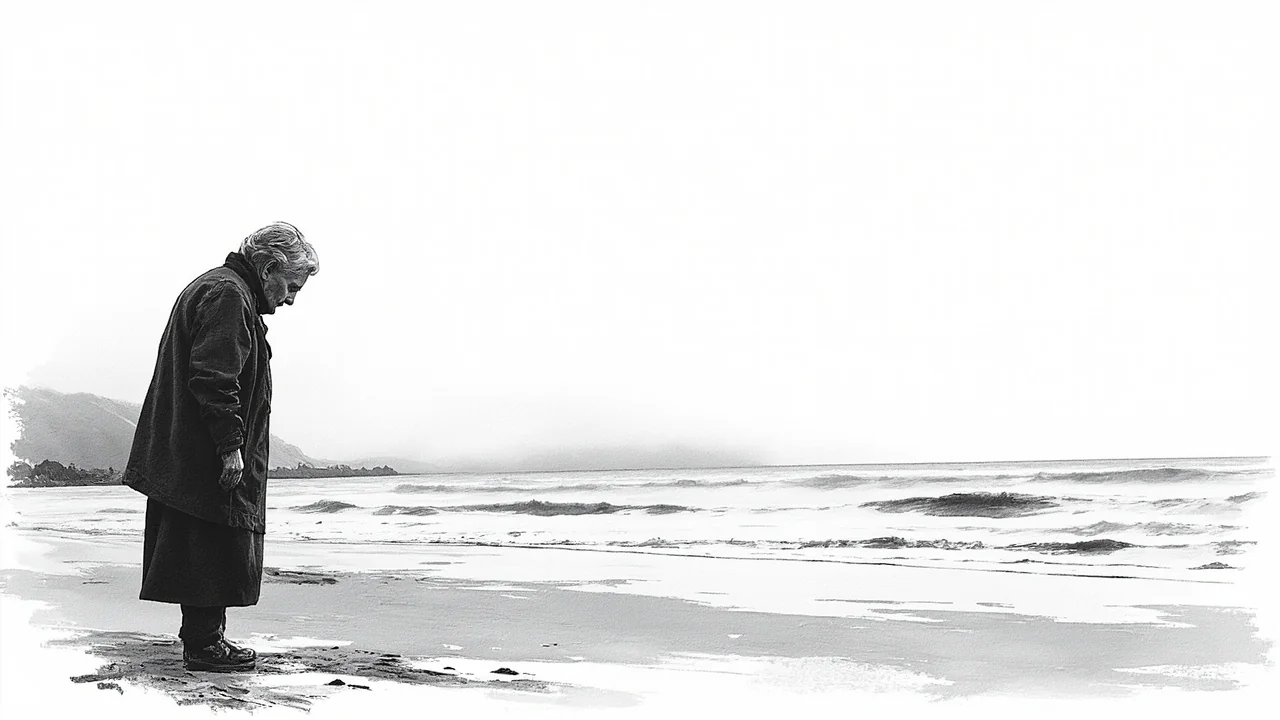
Denmark's coastal community of Hejlsminde is mourning after a 75-year-old man died following a drowning incident at the local marina. The man was found lifeless in the water by passersby on Monday afternoon, prompting a swift emergency response. Despite resuscitation efforts at the scene and transport to Kolding Hospital, he could not be saved. Southern Jutland Police are now investigating the precise circumstances surrounding the tragedy, with officers continuing their work at the marina into the evening. The man's next of kin have been notified, a standard but profoundly difficult procedure in such sudden losses.
This incident casts a somber light on a persistent, quiet danger in Danish society. While Denmark is celebrated for its water-centric culture and maritime heritage, drowning remains a significant cause of accidental death, particularly among older citizens. The tragedy in Hejlsminde is not an isolated statistic but a deeply personal event that ripples through a small, tight-knit harbor community. It raises urgent questions about safety, supervision, and the vulnerabilities that can accompany aging, even in familiar environments.
A Community's Swift Response
According to police reports, the emergency call came in after bystanders spotted the man in the water at the Hejlsminde yacht harbor, located south of Kolding. Police and rescue services arrived promptly, finding the man alive. Intensive life-saving measures were administered immediately. He was then rushed to Kolding Hospital for advanced care, but medical staff were unable to reverse the critical condition caused by the drowning. Police duty officer Mathias Møller confirmed the death at the hospital, marking the grim conclusion to the rescue attempt.
The role of the passersby who discovered him was crucial. In many coastal accidents, the time between submersion and discovery is the single most critical factor for survival. Their alertness triggered the chain of response that offered the victim his only chance. This highlights a community-level form of safety—the watchful eyes of neighbors and visitors—that is often the first line of defense in public spaces like marinas, especially outside the busy summer season when foot traffic is lighter.
The Overlooked Risk of Elderly Drowning
This tragedy aligns with a broader, under-discussed pattern in Denmark and similar nations. Data from the Danish Health Authority consistently shows that individuals over 65 are disproportionately represented in drowning statistics. The reasons are multifaceted and often interlinked. Age-related conditions such as cardiac events, strokes, or sudden dizziness can strike without warning, causing a person to fall into the water. Reduced physical strength and mobility can make it impossible to self-rescue from cold water, which rapidly saps energy and coordination.
Furthermore, many older Danes have a lifetime of experience around boats and water, which can sometimes lead to a diminished perception of risk. A simple misstep on a slippery dock, a loose plank, or a moment of imbalance while handling mooring lines can have catastrophic consequences. The water temperature, even in late spring, is lethally cold, accelerating hypothermia and making survival without immediate help unlikely. This incident forces a conversation about whether enough targeted safety information and physical safeguards are in place for the aging demographic that frequents these areas.
Safety at Denmark's Harbors and Coastal Areas
Danish yacht harbors are generally well-organized and regulated spaces, but they are not without hazards. Safety equipment like lifebuoys is standard, but its placement and public awareness of its location are variable. The investigation in Hejlsminde will likely examine the immediate environment where the man was found. Was adequate safety equipment accessible? Were there potential trip hazards or unstable surfaces? While not implying negligence, every such incident provides a critical opportunity for a safety audit that could prevent future tragedies.
Municipalities and harbor boards continuously balance accessibility with safety. Installing extensive guardrails can hinder boat access and maintenance. The Danish Maritime Authority issues guidelines, but local implementation is key. For regular elderly users, some harbors have informal buddy systems or check-in protocols, especially during the off-season. This tragedy may prompt Hejlsminde and other small harbors to review and promote such community-based safety networks actively.
The Human Impact Beyond the Statistics
Behind the police bulletin is a family shattered by sudden loss. The notification of next of kin, a line in every police report, represents the worst moment in a family's life. A grandfather, husband, father, or friend has been lost in a manner that feels both public and violently private. The grief is compounded by the traumatic nature of the death and the unanswered questions about those final moments. The community, too, grieves. In small harbors, regulars are known; their absence leaves a void on the quayside.
Such events resonate deeply in Denmark, where the sea is both a playground and a workplace. They remind everyone of nature's unforgiving power. For the fellow elderly residents who walk the same docks, it is a chilling reminder of their own vulnerability. The incident sparks quiet conversations in homes and community centers about mortality, safety, and the importance of looking out for one another—a very Danish concept of 'fellesskab' (community) applied in the most poignant way.
A Look at Prevention and Awareness
Preventing similar tragedies requires a multi-layered approach. Public health campaigns often focus on children and swimming lessons, but targeted information for seniors is equally vital. This could include simple advice: always tell someone when you are going to the boat, carry a mobile phone in a waterproof case, avoid going alone during quiet times, and be extra cautious in cold weather when water poses a greater shock. Medical professionals could also discuss water safety with older patients, especially those with known heart conditions.
Technological solutions may also play a role. Some international marinas have installed fall-detection sensors or emergency call points at regular intervals along piers. While an investment, the cost must be weighed against the human toll. Increased lighting and non-slip surfaces on docks are fundamental improvements that benefit all users. Ultimately, fostering a culture where it is normal and encouraged to check on an elderly neighbor working on his boat could be the most powerful tool of all.
A Sobering Reminder as Seasons Change
The drowning in Hejlsminde occurs as Denmark transitions into a period of more maritime activity. With warmer weather, more people will return to their boats, and harbors will become busier. This tragedy serves as a sobering pre-season reminder that vigilance must accompany enjoyment. It underscores that safety is a shared responsibility—between individuals taking personal precautions, communities looking out for members, and authorities ensuring infrastructure is as safe as reasonably possible.
The police investigation will continue, seeking to piece together the final hours of the 75-year-old man's life. The answers may provide some closure for the family and potentially identify a specific hazard to address. Regardless of the findings, his death leaves a mark on Hejlsminde. It is a story that transcends a single news bulletin, touching on themes of aging, community, and our relationship with the water that defines so much of Denmark. It asks a silent, difficult question: in a nation surrounded by sea, are we doing enough to protect those most at risk when they are drawn to its edge?