
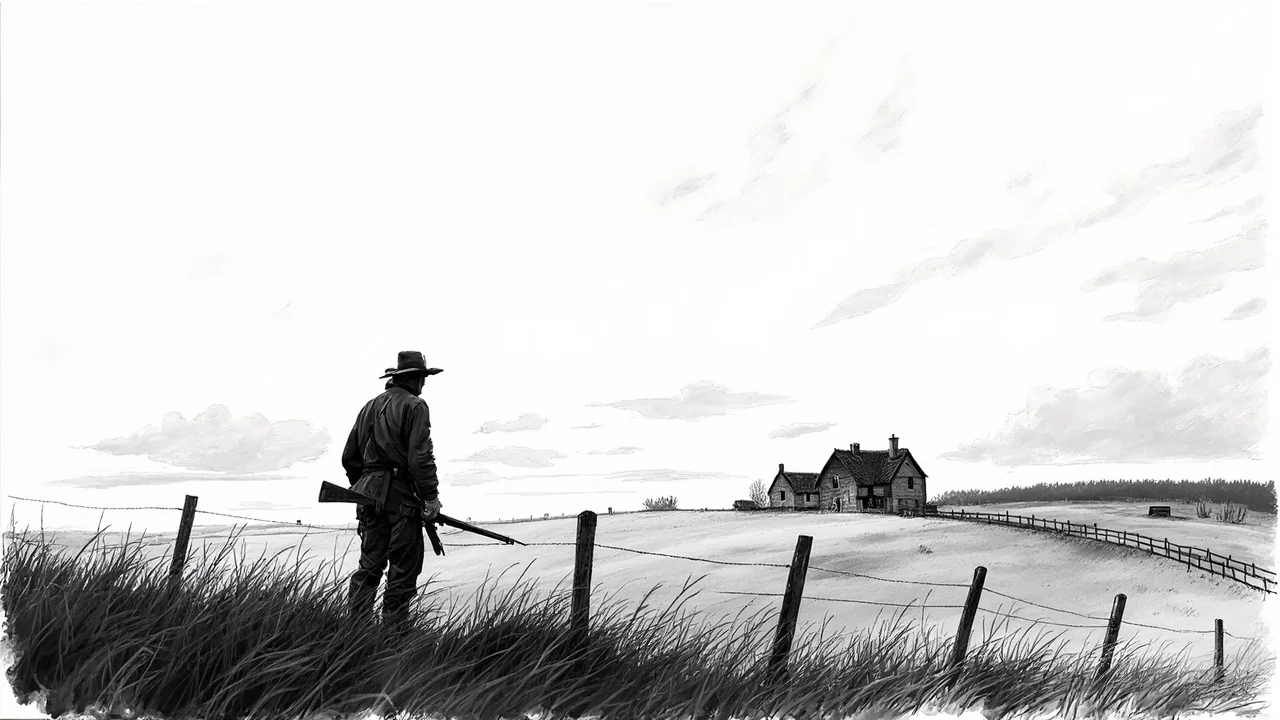
Denmark's growing wolf population has prompted a significant shift in wildlife management policy. Minister for Green Transition, Jeppe Bruus (S), announced a relaxation of the rules governing when wolves can be shot, aiming to provide farmers and hunters with more immediate tools to protect livestock and hunting dogs. The changes, set to take effect July 1, 2026, grant new rights for on-site culling in response to threats.
From Permission to Immediate Action
Previously, a livestock owner whose animals were attacked behind a wolf-secure fence—an enclosure with additional electrified wires—had to apply for a permit to shoot the predator. Under the new regulations, farmers gain what the ministry calls "an immediate right" to shoot wolves that breach these secure perimeters, provided the wolf does not retreat after a warning shot. This shift removes a bureaucratic step that farmers argued cost precious time during an attack. The precondition remains that the person firing the shot holds a valid hunting license and permit. "We have more wolves in Denmark, and therefore I have worked intensely to change the rules so that sheep farmers and hunters have the best possible conditions to protect their sheep and hunting dogs from wolf attacks," stated Minister Bruus in the official release.
Addressing Threats to Hunting Dogs
The policy update also directly addresses growing concerns within the hunting community. Hunters who experience wolves displaying threatening, close-range behavior towards their dogs will now have the immediate option to shoot. This follows a high-profile incident last autumn in the Varde area, where a hunter reported a pack of wolves approaching his dog with what he described as seeking and threatening behavior. While the wolves eventually retreated and the dog was unharmed, the event prompted the Danish Hunters' Association to call for legal clarification on how to act in such situations. The new amendment to the Wildlife Damage Executive Order stipulates that wolves "can be regulated if it is necessary to avoid an attack on hunting dogs." As with farmers, a hunter must first attempt to scare the wolf away with a warning shot.
Swedish Model and Implementation
In crafting the new rules, the ministry drew inspiration from neighboring Sweden's established practices. The Swedish system, which has dealt with a larger wolf population for a longer period, incorporates similar principles of immediate defense. To ensure oversight and adherence, any culling carried out under these new provisions must be reported to the Danish Nature Agency. This reporting is intended to guarantee that "the regulation can be registered, and one can ensure that the rules have been followed—exactly as is done in Sweden," the press release explained. This creates a framework of accountability, aiming to balance species protection with the practical needs of rural residents.
The Broader Context of Coexistence
The debate transcends simple predator control and touches on deeper questions about land use and coexistence in modern Denmark. Pro-wolf conservation groups argue for non-lethal deterrents and enhanced fencing subsidies, viewing culling as a setback for biodiversity. Rural communities, however, often frame it as a matter of economic survival and personal safety for working animals. The new rules attempt to carve a middle path, strictly limiting the right to shoot to scenarios where preventive, wolf-secure measures have already been taken or where a direct threat is imminent. The mandatory reporting to the Nature Agency will generate valuable data on human-wolf conflicts, potentially informing future policy. As Denmark's wolf packs establish territories in places like West Jutland and north of Copenhagen, this legal framework will be tested. Its success will be measured not just in protected livestock, but in whether it reduces conflict and fosters a sustainable, if uneasy, balance between rewilding and rural livelihoods.
Ultimately, the amended rules are a pragmatic response to a complex challenge. They empower those on the front lines but within a defined, Scandinavian-inspired system of checks and balances. The coming years will reveal if this calibrated approach can satisfy the legitimate concerns of farmers and hunters while upholding Denmark's commitments to protecting a controversial but legally protected native species. The nation's experiment in managing large predators is entering a new, more hands-on phase.