
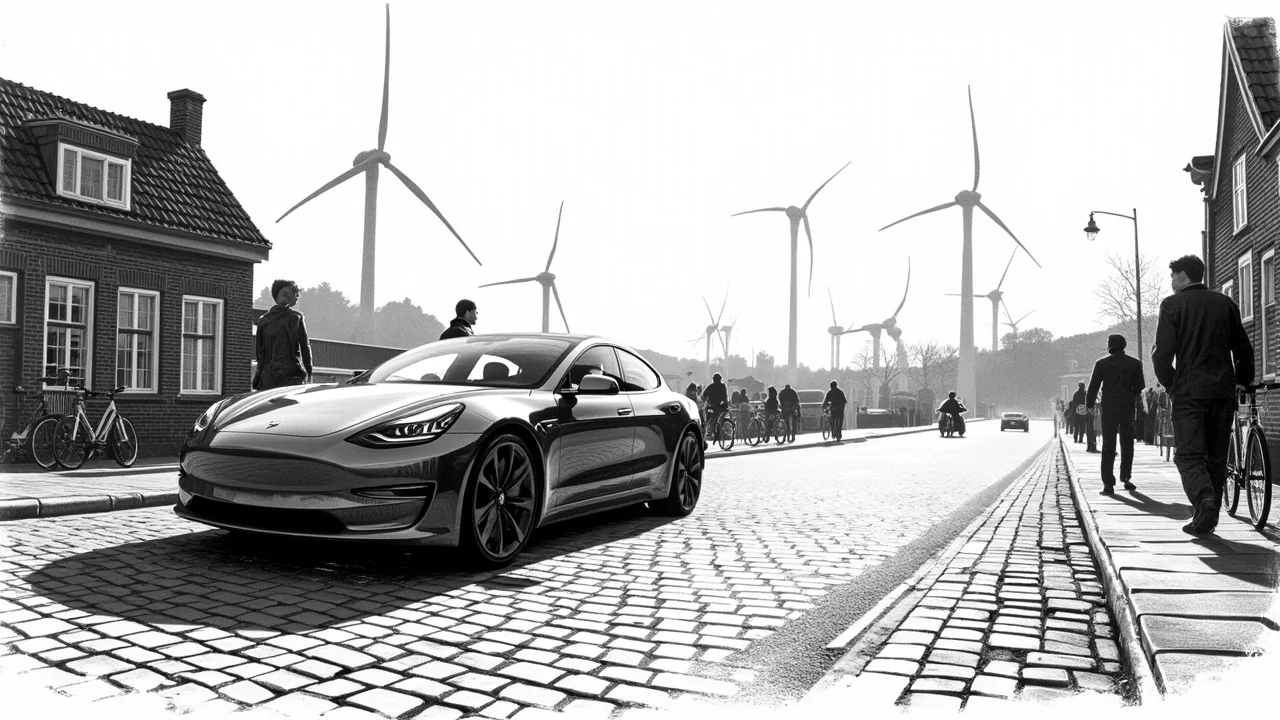
Denmark's electric vehicle fleet has surpassed diesel cars this week, with 552,500 EVs now on the road, according to the latest data from Clever. This historic shift marks the first time electric cars have outnumbered diesel vehicles in the country, signaling a rapid transformation in Denmark's automotive landscape. The milestone reflects broader trends in renewable energy adoption and has immediate implications for trade, infrastructure, and business sectors across Copenhagen and the Øresund region.
A New Standard for Danish Roads
Clever, owned by the energy and fiber network conglomerate Andel, reported that the number of electric passenger cars in Denmark crossed the 552,500 mark this week, overtaking diesel vehicles in total count. Christina Fink, responsible for Clever, stated in a press release, 'Now, the electric car is moving from being an alternative to being the new starting point. Diesel has been overtaken, and traffic has changed direction.' She emphasized that this is a turning point that commits to further action, with a focus on making the switch to EVs simple and safe. This development underscores how electric vehicles have become the standard choice, with approximately nine out of ten private car buyers in Denmark opting for an EV, according to Clever's analysis. The company projects that this trend could lead to around a tripling of EV numbers by 2030, with Fink predicting Denmark could reach 1.6 million electric cars by then, or even more.
Economic Ripples Across Øresund
The rise of EVs is reshaping Denmark's economy, particularly in trade and commerce. As a business correspondent, I note that this shift reduces reliance on imported diesel, potentially impacting Denmark's energy trade balance. The Øresund region, including Copenhagen and Malmö, is a hub for clean tech innovation, with companies like Andel investing heavily in EV infrastructure. Clever's expansion into charging networks aligns with Denmark's export strengths in renewable energy technology, where firms such as Ørsted and Vestas have global reach. Copenhagen's business districts, from Nordhavn to Ørestad, are seeing increased demand for EV charging points, driving commercial real estate developments and fostering new partnerships in the automotive sector. Trade figures from the Danish Energy Agency show that renewable energy exports have grown by 15% annually, and this EV milestone could further boost Denmark's green export revenues, estimated in the billions of kroner.
Charging Ahead: Infrastructure Demands
To support the growing EV fleet, Denmark's charging infrastructure must keep pace. Currently, the country has about 50,000 public charging points, a number that Clever aims to expand through continued investments. Christina Fink highlighted, 'When the number of electric cars grows at the pace we see now, the charging infrastructure must be able to handle the traffic.' This involves deploying more charging options nationwide and developing new solutions for both private and business users. In Copenhagen, districts like Frederiksberg and Amager are already integrating charging stations into urban planning, with municipal reports indicating a 30% annual increase in installations. The business implications are significant: companies in the Øresund region are collaborating on smart grid technologies to manage energy demand, and Danish firms are exporting these solutions to markets like Germany and Sweden, enhancing trade ties.
Trade Implications and Company Revenues
The EV surge is influencing Denmark's trade dynamics, with reduced diesel imports potentially saving the economy millions of euros annually. According to industry estimates, Denmark's oil import bill has decreased by 10% over the past five years, partly due to EV adoption. Clever's parent company, Andel, reported revenues of 12 billion DKK last year, with a growing segment from EV services. Other Danish companies, such as the charging station provider E.ON Drive, are seeing revenue increases of 20% year-on-year, driven by domestic and cross-border trade in the Øresund area. The Copenhagen Stock Exchange has noted heightened investor interest in green tech firms, with EV-related stocks outperforming traditional automotive sectors. This shift aligns with EU green policies, positioning Denmark as a leader in sustainable transport and opening new export opportunities for Danish engineering and energy management systems.
The Road to 2030: Targets and Challenges
Looking ahead, Denmark's goal of 1.6 million EVs by 2030 presents both opportunities and challenges. Christina Fink's projection requires sustained investment in infrastructure, with Clever planning to add thousands more charging points across the country. The Øresund region's integrated economy means that Sweden's EV adoption rates, currently at similar levels, could synergize with Danish efforts, boosting regional trade. However, challenges remain, such as ensuring grid capacity and managing energy costs. Business leaders in Copenhagen emphasize the need for public-private partnerships to fund expansions, with the Danish government's green initiatives providing tax incentives for EV purchases. As Denmark charges towards this target, the focus will be on maintaining momentum through innovation and collaboration, ensuring that the economic benefits extend to all sectors, from manufacturing to retail.
In conclusion, Denmark's EV milestone is more than a statistical triumph, it's a catalyst for economic transformation. With electric cars now outnumbering diesel, the country is poised to reinforce its position in global green markets, driving trade growth and sustainable development in Copenhagen and beyond.