
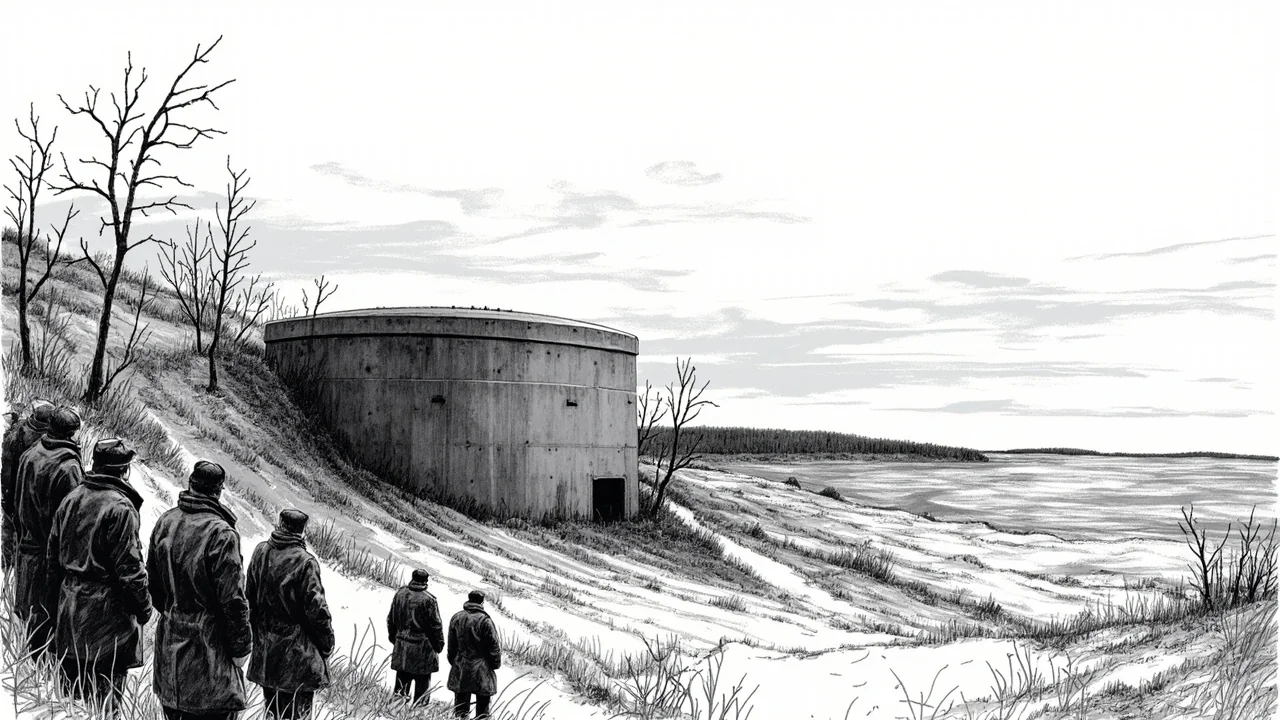
Denmark's military expansion has hit a procurement snag, with internal documents revealing a costly reacquisition of land and bunkers it sold just years earlier. The Danish Defence Ministry purchased 101 hectares of land and 87 bunkers near Frederikshavn in late 2025, a deal that now appears financially flawed. The land was previously owned by the military itself, raising immediate questions about the wisdom of selling an asset only to buy it back at a premium. The transaction forms part of the rapid build-up of national ammunition production and storage capacity in northern Jutland. Journalists uncovered the details through accessed emails and attachments, painting a picture of a poor deal for the state.
A Circular Transaction
The sequence of events follows a perplexing circular path. The Defence Ministry originally owned the vast tract of land in North Jutland. At some point in the recent past, the ministry divested itself of the property. The strategic need for domestic ammunition storage, concentrated in areas like Elling at the Krudten facility, then surged. This need prompted the ministry to re-enter the market for secure storage sites. In late 2025, it repurchased the very same 101 hectares of North Jutland soil, complete with 87 bunkers, from a private owner. The financial loss stems from the difference between the original sale price and the repurchase price, compounded by transaction costs and the loss of strategic control in the intervening years.
The Financial and Strategic Cost
The documents do not disclose the exact monetary loss, but the framework of the deal indicates a clear financial deficit. Taxpayers effectively paid twice for the same asset—first to develop it, then to buy it back. This comes as the overall defence budget faces increased scrutiny amid large-scale investments in new frigates, conscription programs, and the new ammunition production initiative. The poor deal directly impacts the resources available for other critical defence and security priorities. The incident points to potential flaws in long-term strategic asset management within the Defence Ministry's property and logistics divisions. A lack of foresight regarding future storage needs appears to have triggered this costly correction.
Questions of Process and Oversight
The case raises significant procedural questions. What analysis justified the original sale of a property containing dozens of reinforced bunkers? Was the future need for ammunition storage not part of that calculus? Furthermore, what procurement guidelines governed the repurchase, and were alternative sites properly evaluated? The internal emails and bilags reviewed by journalists are said to clearly show what is at stake when the military makes purchases. This suggests a paper trail exists that may detail the decision-making process, or lack thereof. The episode is likely to prompt inquiries from parliamentary oversight committees responsible for defence spending and public accounts.
The Broader Defence Context
This property mishap occurs against a backdrop of urgent and necessary military strengthening. The government and a broad parliamentary majority have committed to a substantial increase in defence capabilities following the war in Ukraine. Establishing a sovereign ammunition production line in Denmark is a cornerstone of this policy, aimed at securing supply lines and bolstering the national defence industry. The bunkers at Tolne are intended to be part of the supporting infrastructure for this vital industrial capacity. While the strategic goal is widely supported, this specific transaction highlights how rushed expansion and siloed decision-making can lead to wasteful spending. It underscores that increased budgets demand enhanced financial discipline, not diminished oversight.
A Call for Accountability and Reform
The immediate question is who approved the sale and subsequent repurchase, and what accountability mechanisms will follow. Defence Minister Troels Lund Poulsen has previously emphasized value for money in defence acquisitions. This case presents a direct test of those principles. Beyond individual accountability, the incident suggests a need for systemic reform in how the Defence Ministry manages its extensive real estate portfolio. A long-term, strategic property plan that aligns with future force structure and operational needs seems absent. Implementing such a plan would prevent the repetition of selling off assets only to desperately need them back years later at a higher cost.
The Path Forward for the Tolne Site
Despite the problematic procurement, the 87 bunkers near Frederikshavn are now back under military control and will serve a critical national security function. Their role in the future ammunition storage and logistics network is secure. The financial loss, however, is a sunk cost that cannot be recovered. The focus must now shift to ensuring the site is integrated efficiently into defence logistics and that the lessons from this expensive episode are formally learned. The coming parliamentary debates on the defence budget will likely feature pointed questions about this deal. The government's response will indicate whether this is viewed as an unfortunate one-off error or a symptom of a larger issue in defence procurement. For the public, it is a stark reminder that national security investments require not just political will and funding, but also meticulous administration and sharp commercial acumen.