
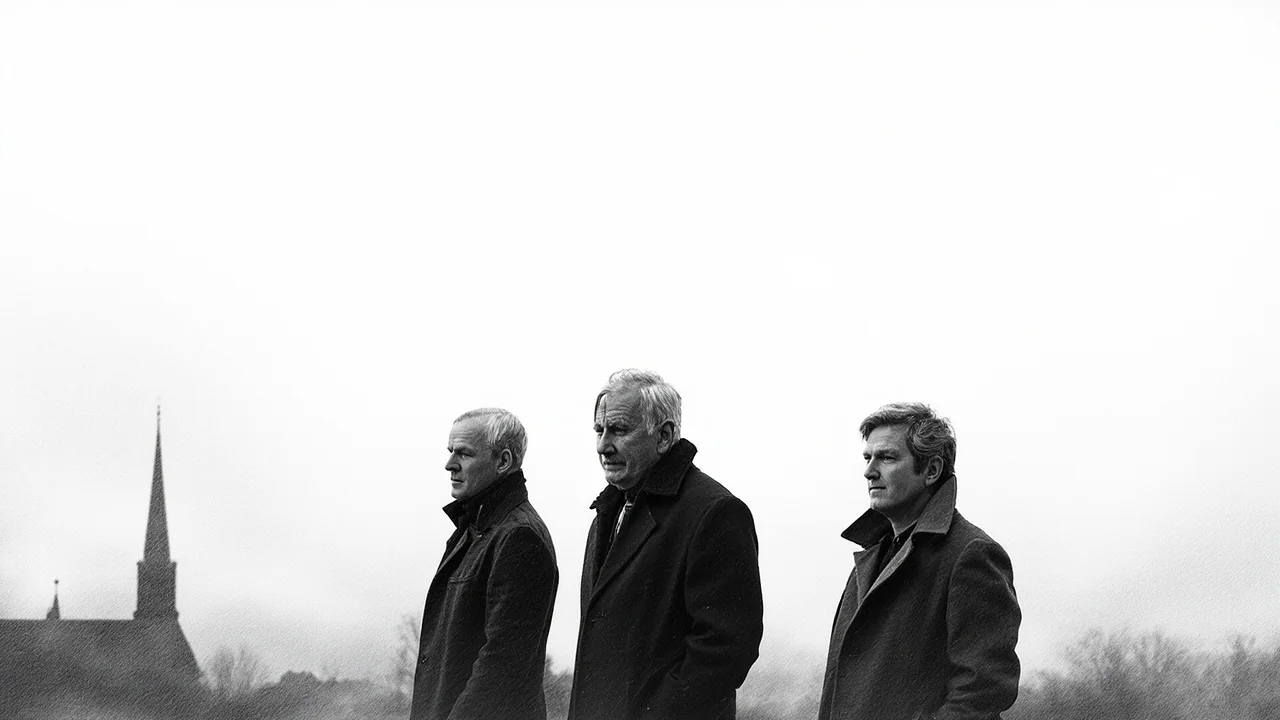
Three candidates are now formally competing to lead one of Denmark's most significant religious communities. The Aarhus Diocese selection committee has approved Annette Brounbjerg Bennedsgaard, Thomas Frank, and Esben Thusgård as official candidates for the bishop's seat. This election will determine the spiritual leader for Denmark’s second-largest diocese, following incumbent Bishop Henrik Wigh-Poulsen's retirement at the end of April. The process highlights the unique democratic structure within the Danish Lutheran Church, a central institution in Danish society.
The Candidates Vying for Leadership
Annette Brounbjerg Bennedsgaard, 56, brings nine years of experience as a dean in Horsens Provsti. She currently serves as an area manager at the Folk Church's Education and Knowledge Center. Her background suggests a focus on theological education and church administration, key areas for a modern diocese.
Thomas Frank, also 56, has been the cathedral dean of Viborg Diocese since 2011. His profile is marked by international experience as a military chaplain deployed to Afghanistan, Kosovo, and Sudan. This background could influence a diocese increasingly engaged with global issues and a diverse population.
Esben Thusgård, 55, is the dean of Aarhus Northern Provsti, a role he has held since 2012. He also chairs the Dean's Association, giving him deep insight into the operational challenges and priorities of local church districts. His local embeddedness within the Aarhus diocese itself is a significant factor.
A Democratic Process Inside the Church
The bishop will be chosen through a distinctive electoral college. Eligible voters include the diocese's priests, members of parish councils, and representatives from recognized voluntary congregations. This system blends clerical and layperson voices, reflecting the Danish church's hybrid model of hierarchy and congregation-based democracy.
Ole Juel, chairman of the election board, has expressed anticipation for a stimulating campaign. He has publicly encouraged all eligible voters to participate. “It is important that as many as possible help choose Aarhus Diocese's new bishop,” Juel stated in the diocese's press release. The call for high turnout underscores the role of broader engagement in shaping church leadership.
The Mechanics of a Modern Church Election
Voting will be conducted electronically via a secure urafstemning (direct vote). All eligible voters will receive a voting card in their national digital mailbox, e-Boks. The voting period runs from February 26 at noon to March 19 at noon, with ballots counted immediately after the deadline closes.
This digital approach facilitates broad participation across the extensive diocese, which encompasses numerous municipalities in eastern Jutland. The elected bishop will be ordained in Aarhus Cathedral on May 31 and officially assume office on June 1.
The Bishop's Role in 21st-Century Denmark
The new bishop will become the highest authority in Aarhus Diocese, one of ten in mainland Denmark plus one in Greenland. The role extends far beyond ceremonial duties. A bishop supervises the professional conduct of priests and ordains new clergy. Crucially, the position carries a major communicative responsibility between the church and wider society.
This function is increasingly complex. The bishop must navigate the church's role in a secularizing Denmark while serving a population where over 70% are officially members yet hold varying degrees of faith. The leader must also engage with critical social debates on ethics, integration, and community welfare.
Analysis: A Vote for the Church's Future Direction
This election is a barometer for the Danish Lutheran Church's trajectory. Each candidate represents different facets of the church's modern identity. Bennedsgaard symbolizes theological and educational grounding. Frank offers a worldview shaped by international crisis and pastoral care in extreme settings. Thusgård provides deep operational knowledge and local network strength.
The choice voters make will signal priorities. Is the diocese seeking a manager, a global-minded pastor, or a local consensus-builder? The election occurs as Danish society grapples with questions of identity and values. The church remains a key provider of ritual and community, especially during life events like baptisms, weddings, and funerals, even for nominally secular Danes.
Furthermore, the diocese's interaction with Aarhus's growing international community—including students and professionals—will be a quiet test. The bishop’s ability to engage with diverse cultures and beliefs within the framework of a national church is an unstated but critical part of the job description. The church's social capital and its role as a gathering place for integration efforts often go underreported.
The democratic election process itself is noteworthy. It allows for a degree of internal debate and renewal that is not always visible from outside the church walls. The campaign and debates will likely focus on pastoral care quality, the church's public voice, and its relationship with a state that guarantees its funding but also its doctrinal freedom.
The successor to Bishop Wigh-Poulsen will inherit an institution at a crossroads. Will the new leadership adopt a more inward-looking pastoral focus or an outward-facing public role? The answer will be revealed not just on March 19, but in the years following the ordination in the grand Aarhus Cathedral. This vote is less about dogma and more about direction, setting the course for a major Danish cultural institution in the decades to come.