
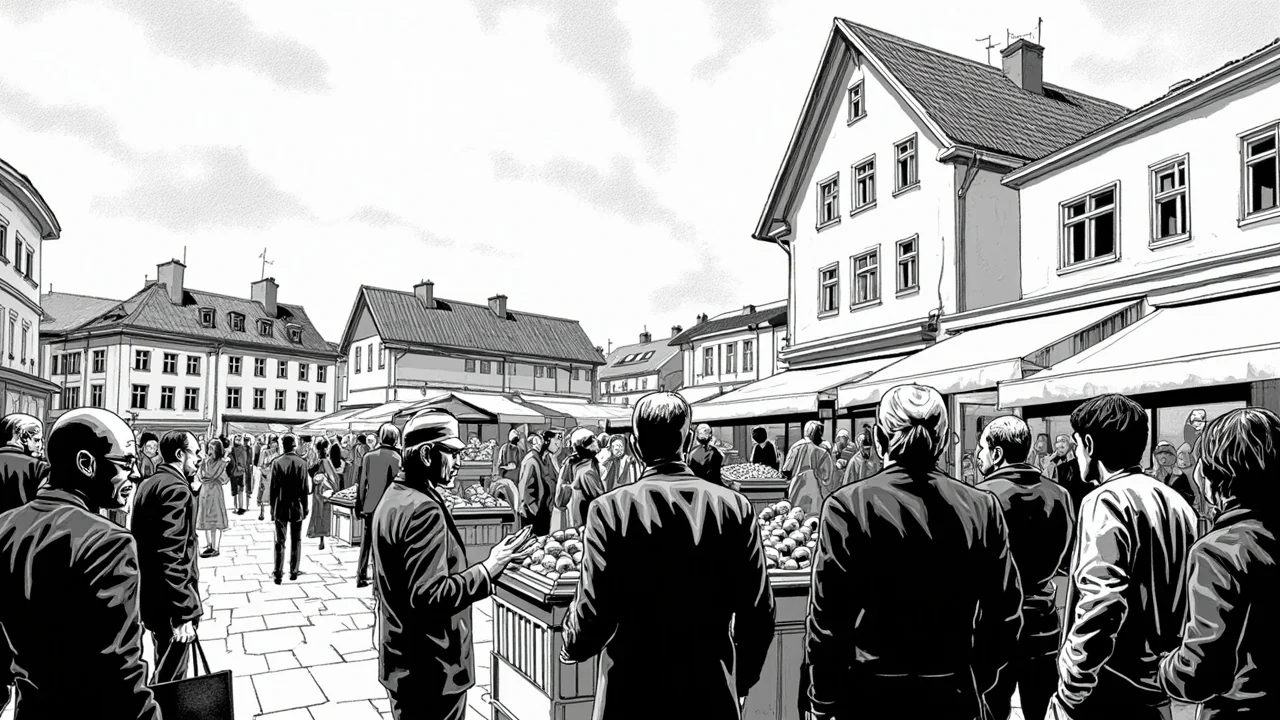
Danish food inflation has risen 15% since 2021, pressuring household budgets and sparking a political debate over direct government aid. The government's proposed 'food check' for struggling families is now facing fierce opposition from free-market think tank CEPOS, which argues pressured consumers should simply swap expensive beef for cheaper frozen fish instead of receiving state support.
The Core Political Disagreement
An agreement on a direct cash payment to selected groups in Danish society is expected to land soon. The government has identified groups it says are financially pressured by rising supermarket prices. However, CEPOS has publicly rejected the need for the measure. A senior economist from the organization stated that Danish families have other options, specifically suggesting they could replace items like beef with more affordable proteins such as frozen fish. This position frames the issue as one of consumer choice rather than a structural cost-of-living crisis requiring state intervention.
The debate touches on a fundamental divide in economic policy. On one side is the government's view that temporary, targeted support is necessary to shield vulnerable citizens from external economic shocks. On the other is CEPOS's free-market philosophy, which emphasizes individual adaptability and warns against policies that could distort the market or create long-term dependency. The think tank's argument rests on the belief that price signals should guide consumption, and that consumers will naturally adjust their shopping habits in response to costs.
Economic Context and Consumer Reality
This political clash occurs against a backdrop of sustained high prices for staples. While global energy and commodity prices have fluctuated, the cost of food in Denmark remains significantly elevated compared to pre-crisis levels. For families on tight budgets, the suggestion to simply switch protein sources oversimplifies the cumulative burden of higher costs for electricity, housing, and transportation, in addition to food. The proposed food check is designed to offset a portion of this aggregated financial pressure, not just the price of meat.
Analysts note that the Danish consumer landscape is complex. While frozen fish can be a cheaper alternative, dietary preferences, cultural habits, and regional access to affordable groceries vary widely. A one-size-fits-all solution of dietary substitution may not be practical or acceptable for all demographics the government aims to help. Furthermore, the price gap between different protein sources is not static and can be influenced by global trade dynamics, which are a core interest for Danish exporters in the food sector.
The Path Forward
As the political negotiation for the food check continues, the arguments from both sides will be tested against economic data and public opinion. The final design of the policy—its targeting, size, and duration—will reveal which philosophy holds more sway. Will the outcome be a targeted cash transfer acknowledging collective responsibility, or will the policy be diluted or rejected in favor of promoting individual consumer adaptation? The answer will set a precedent for how Denmark manages similar crises in the future, with implications for social cohesion and economic policy. The discussion has moved beyond frozen fish versus beef, it's now about the fundamental tools a society uses to ensure economic security for its citizens.